Apartments
Tight plans opened up by moving one wall, and storage engineered into a single continuous depth.
Apartments, villas, luxury residences and compact homes — designed around the rhythms of the household rather than a look.
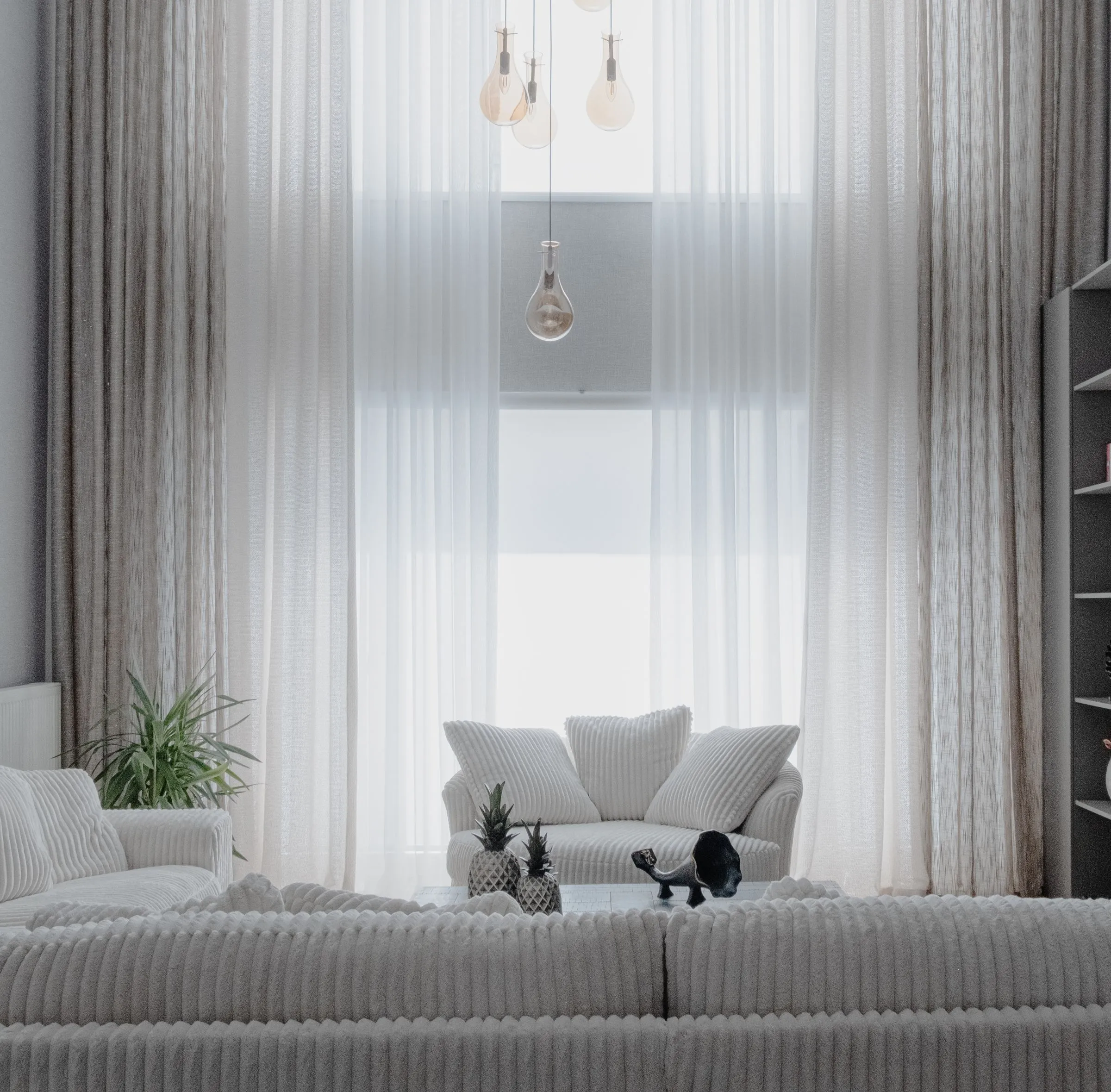
Tight plans opened up by moving one wall, and storage engineered into a single continuous depth.
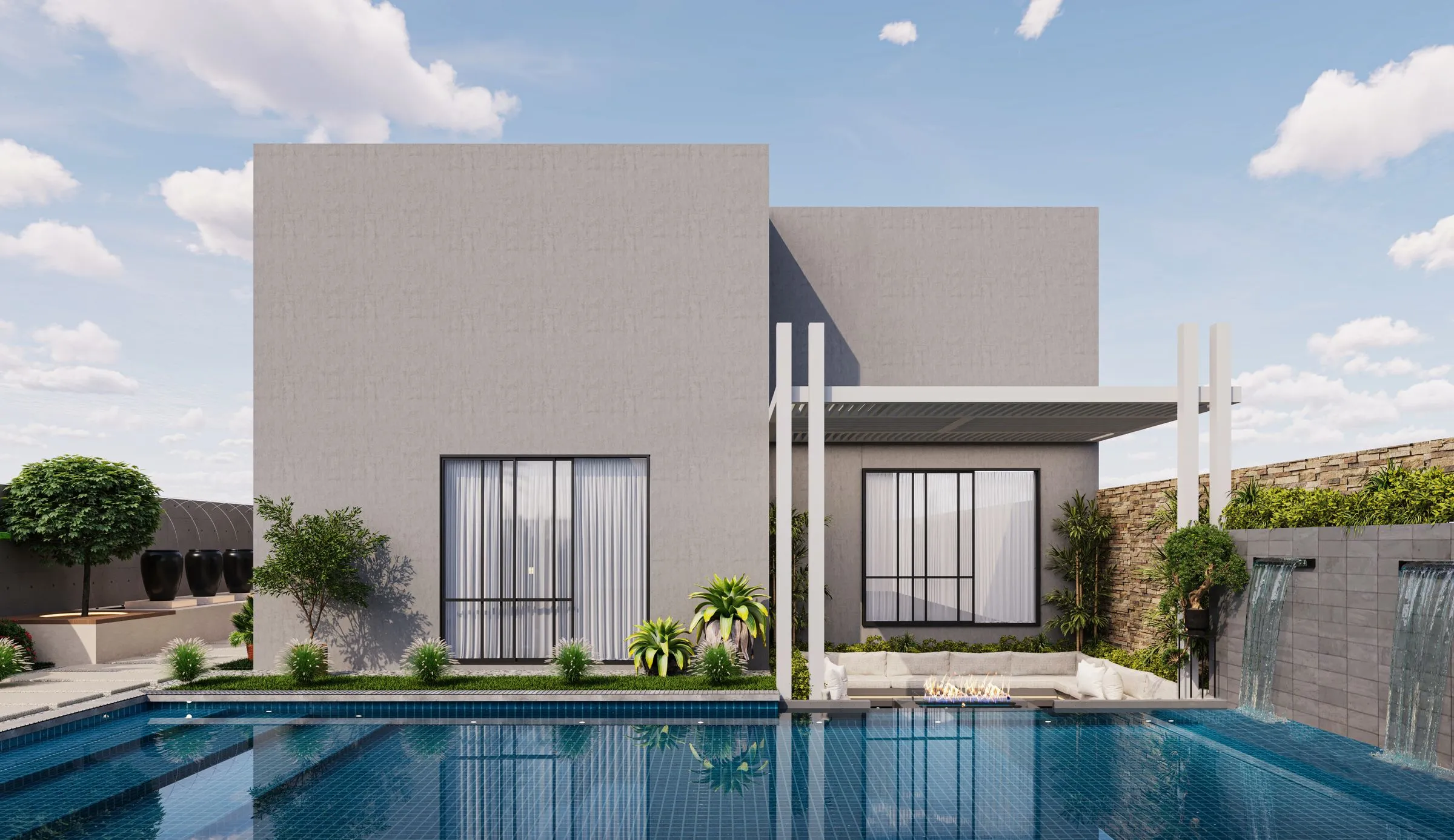
Large plans that have to stay coherent — one detail, one palette, running through every room.
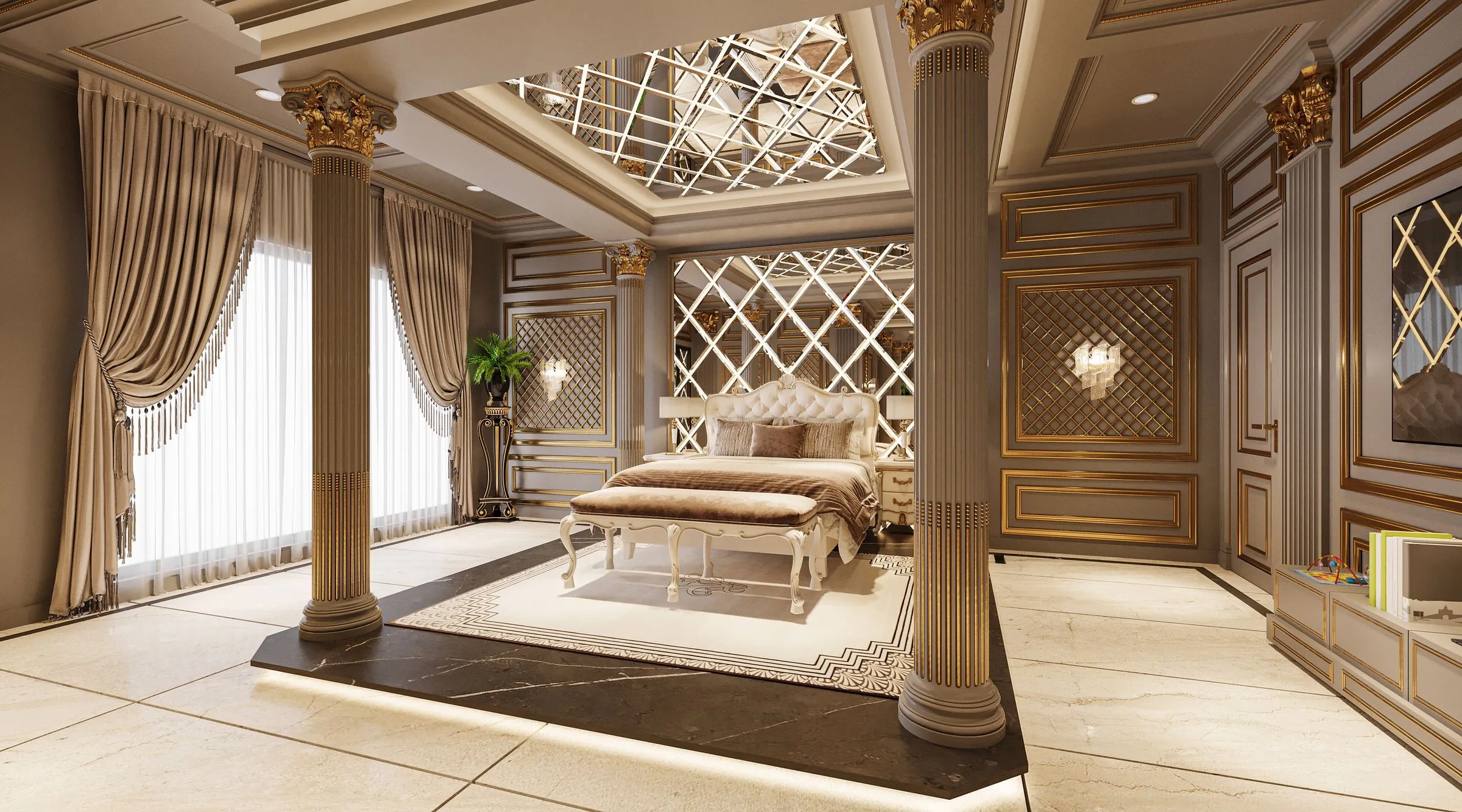
Fewer elements, each specified without compromise, and lighting on enough circuits to change the house four times an evening.
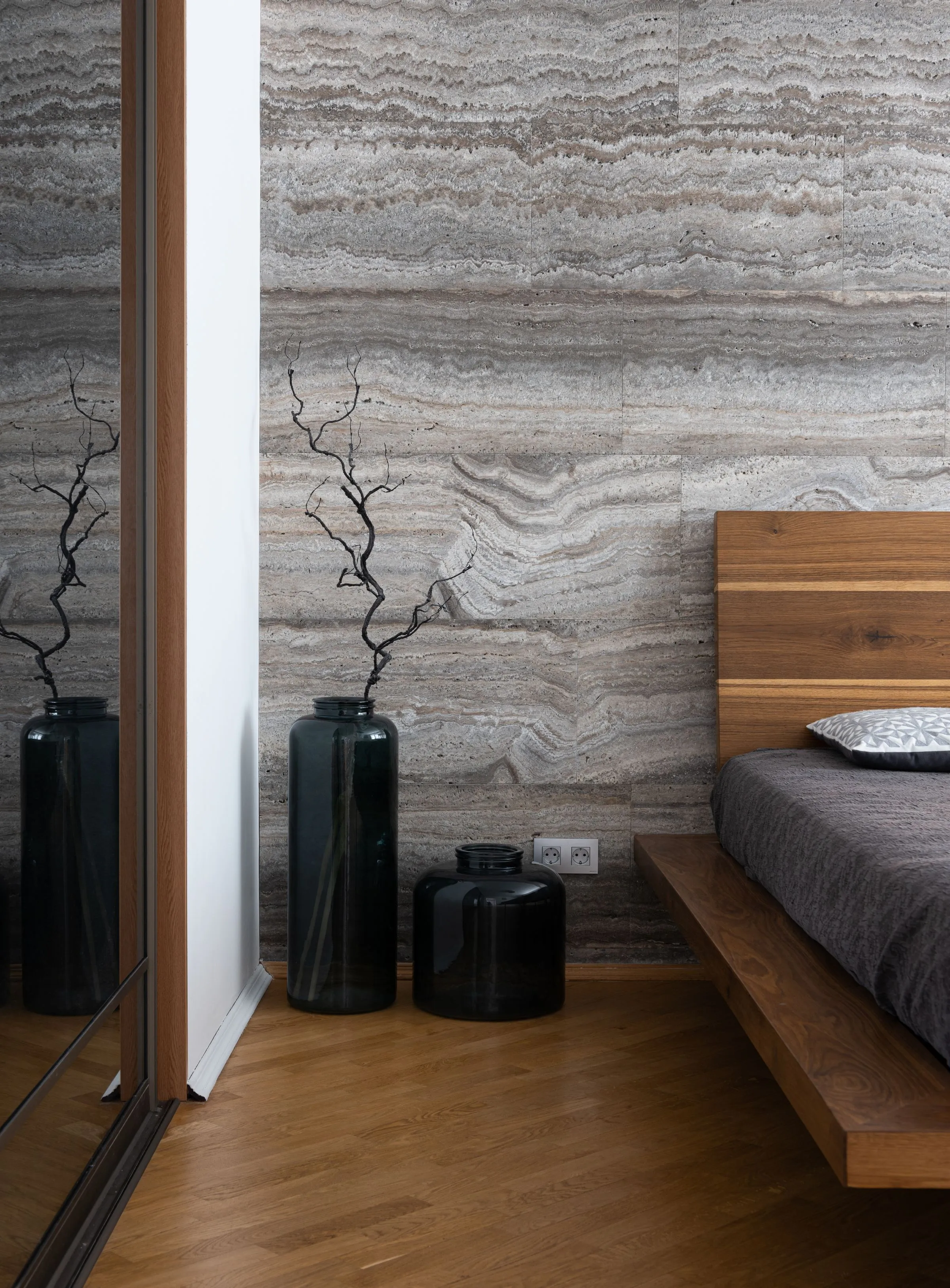
Under 1,200 sq ft, where nothing may exist that does not also store something. Harder than a villa, not easier.
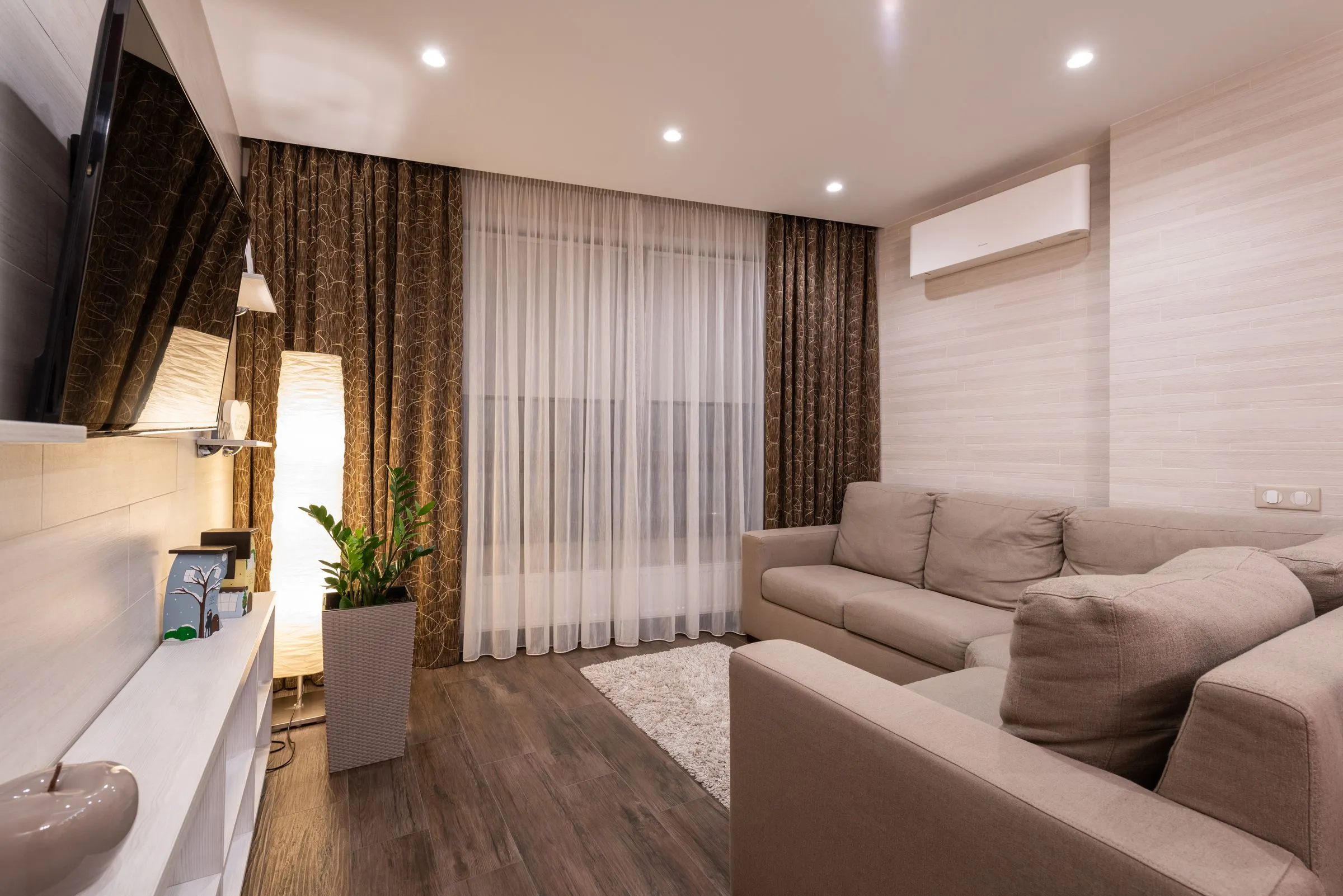
One seating group, generously scaled, and a plan that lets the room be used by two people or twelve without rearranging it.
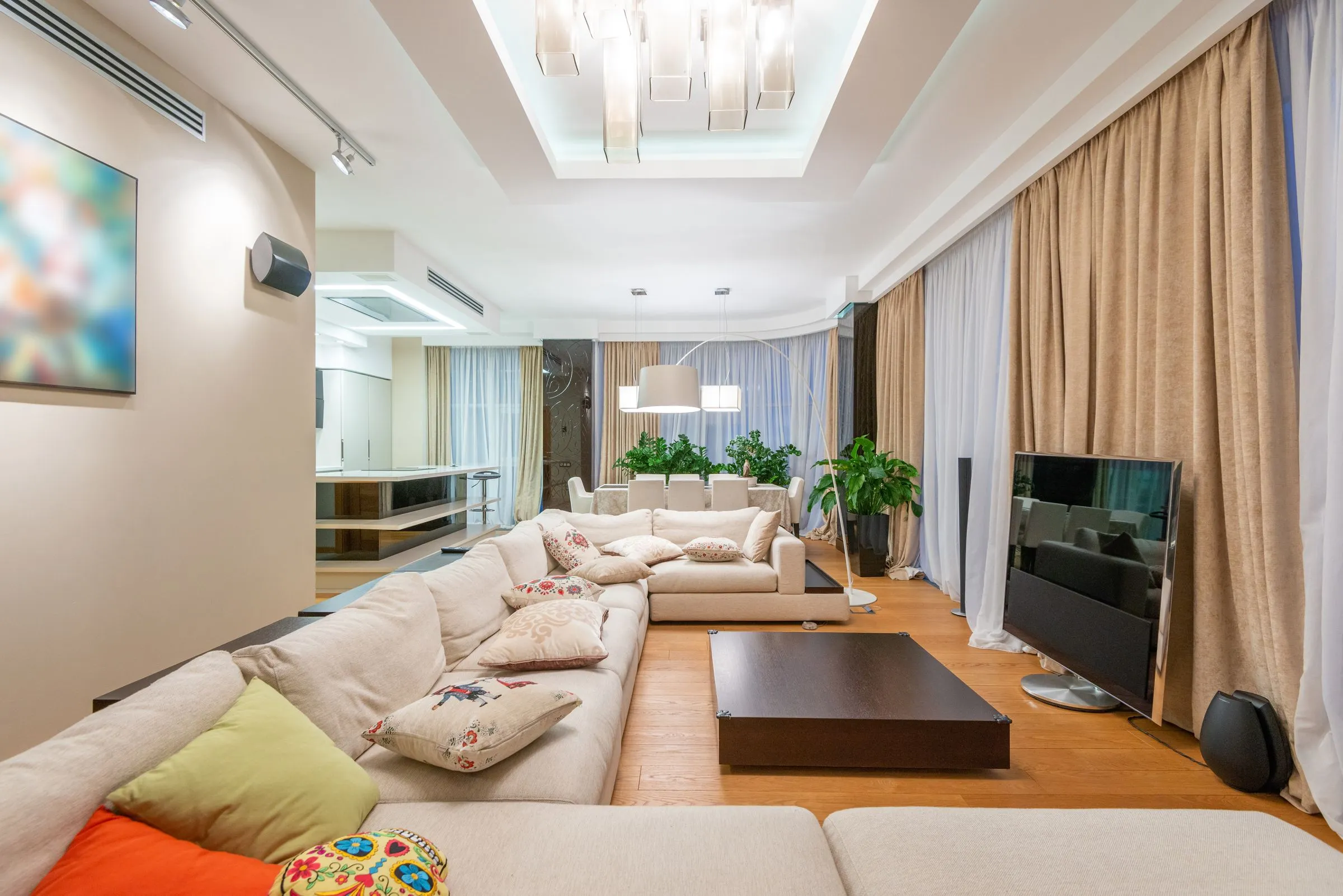
Full-height joinery finished flush with the wall, blackout in a recessed pocket, and no ceiling light.
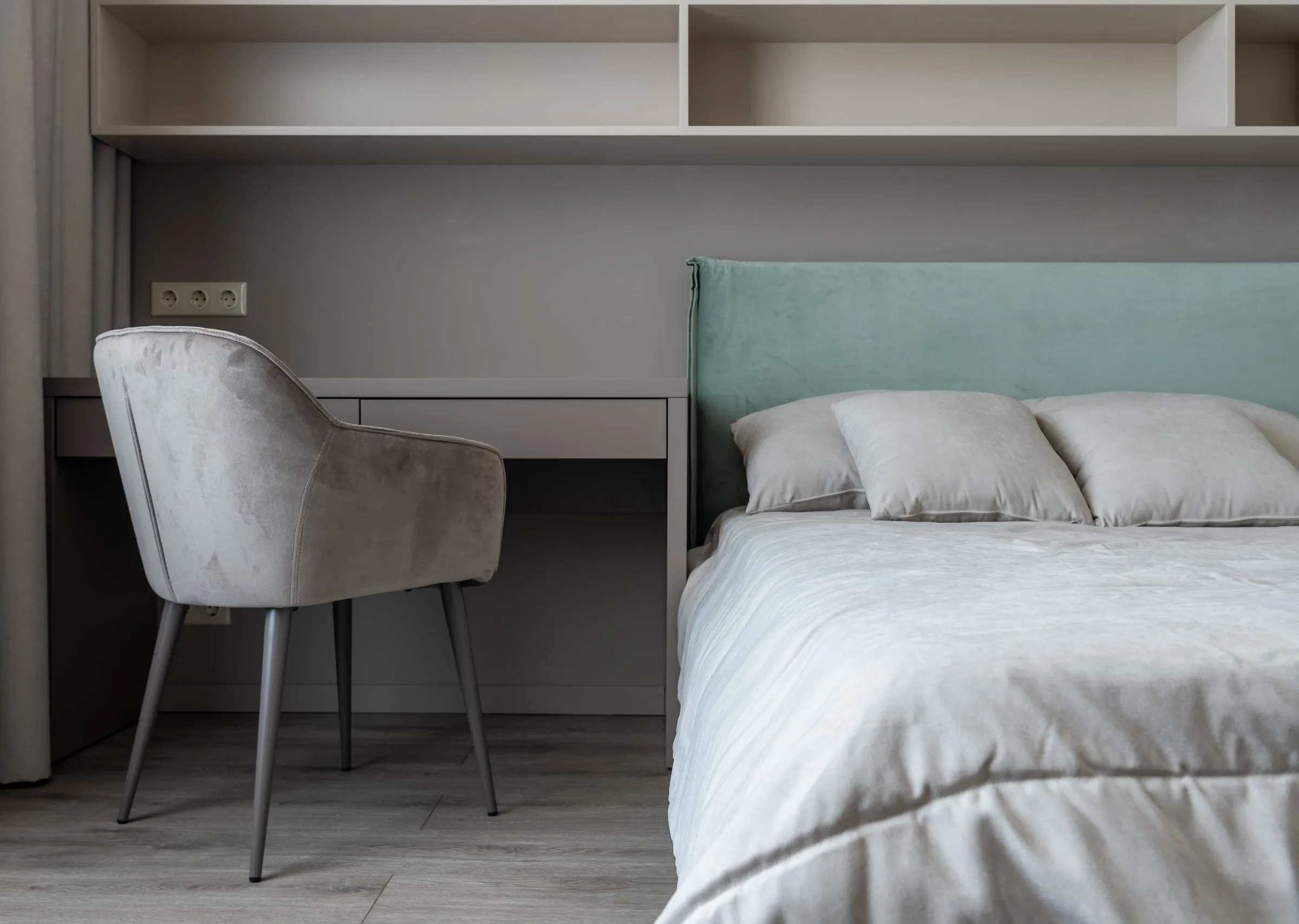
Sized from the chair backs outward — 900 mm to a wall, 1,100 mm where somebody has to pass behind a seated guest.
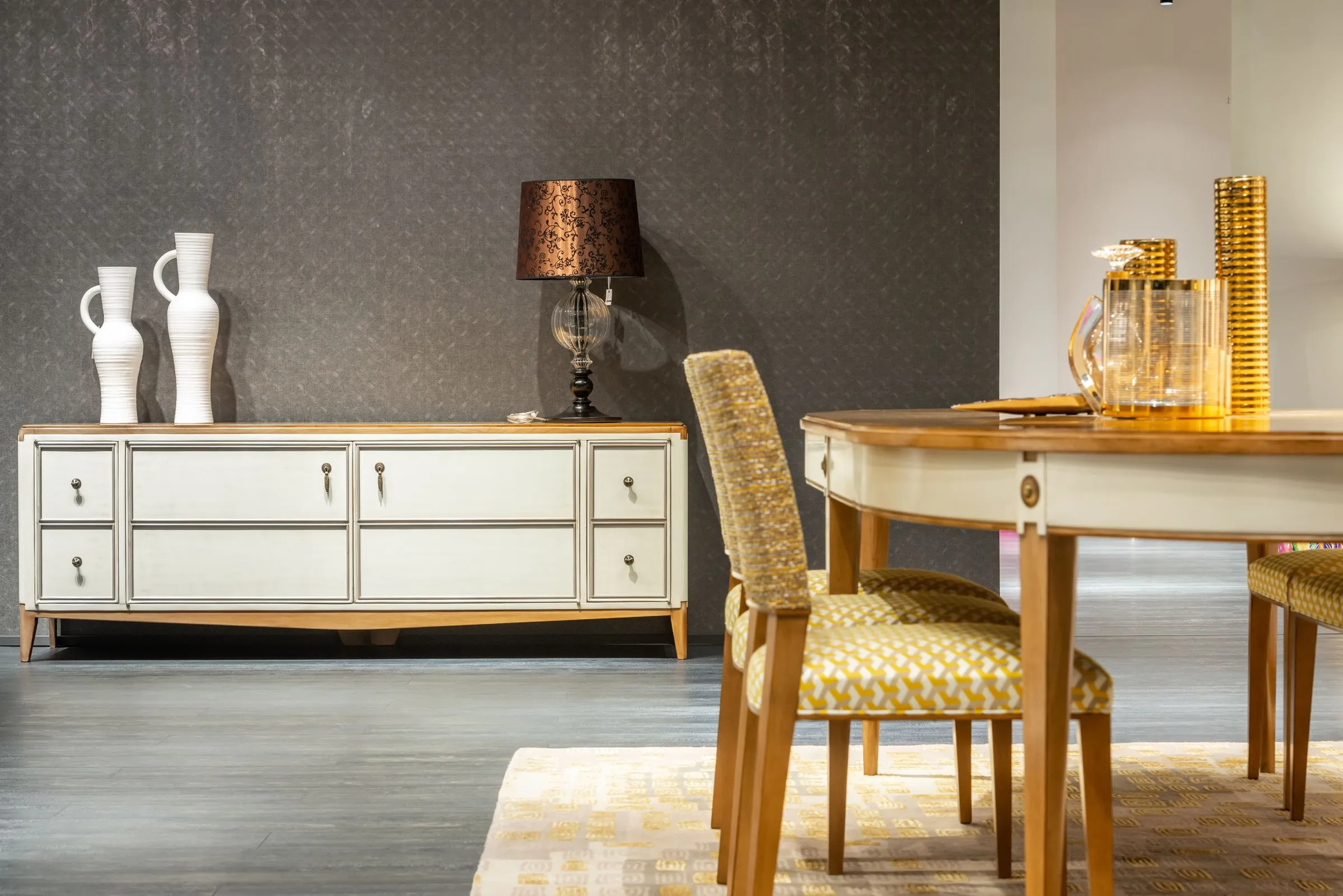
Falls and waterproofing set out before a single tile is chosen. The material is rarely the thing that fails.
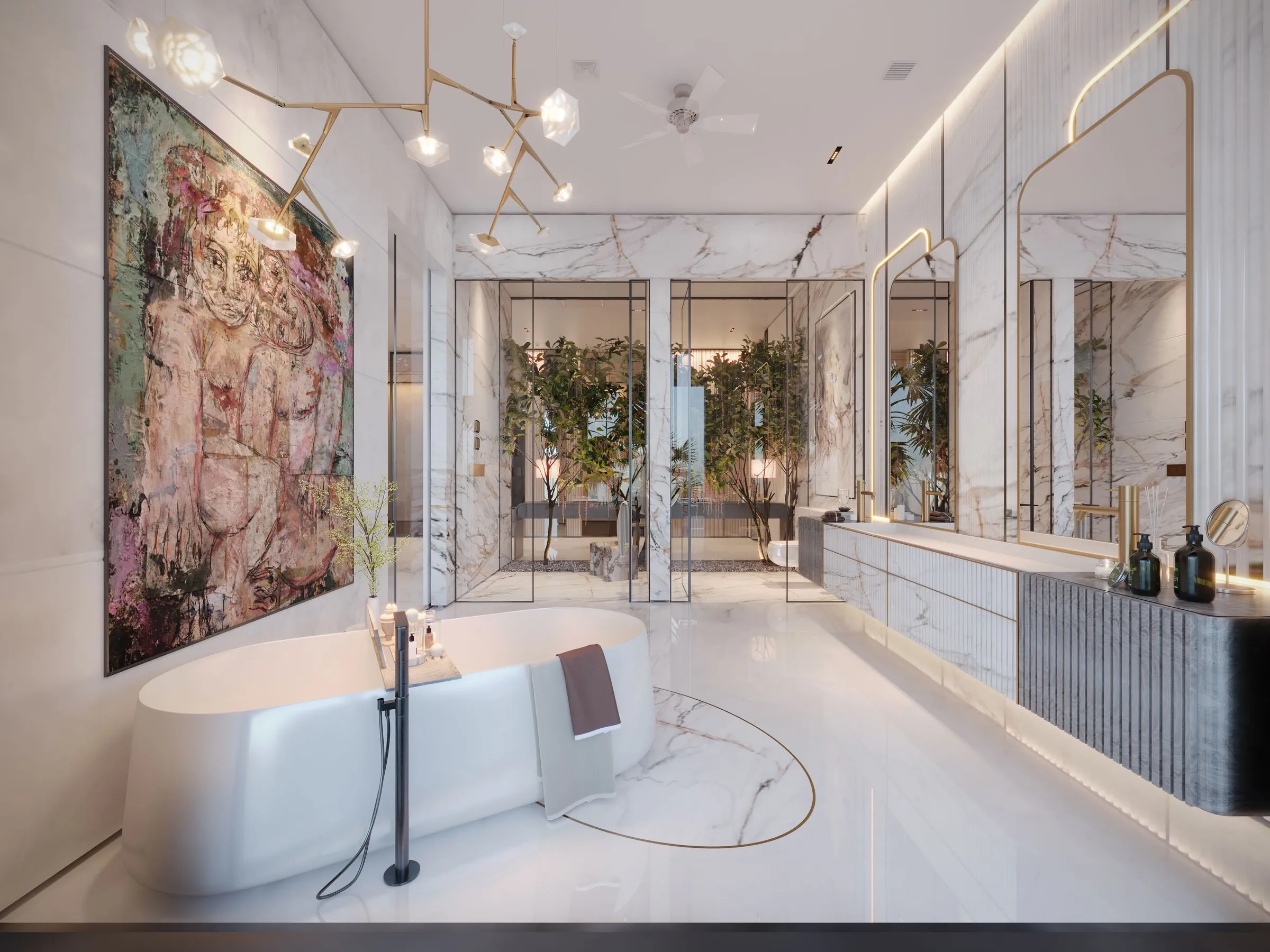
An actual room, or a defined workspace with a door, decent light and a wall behind you that looks acceptable on a call.
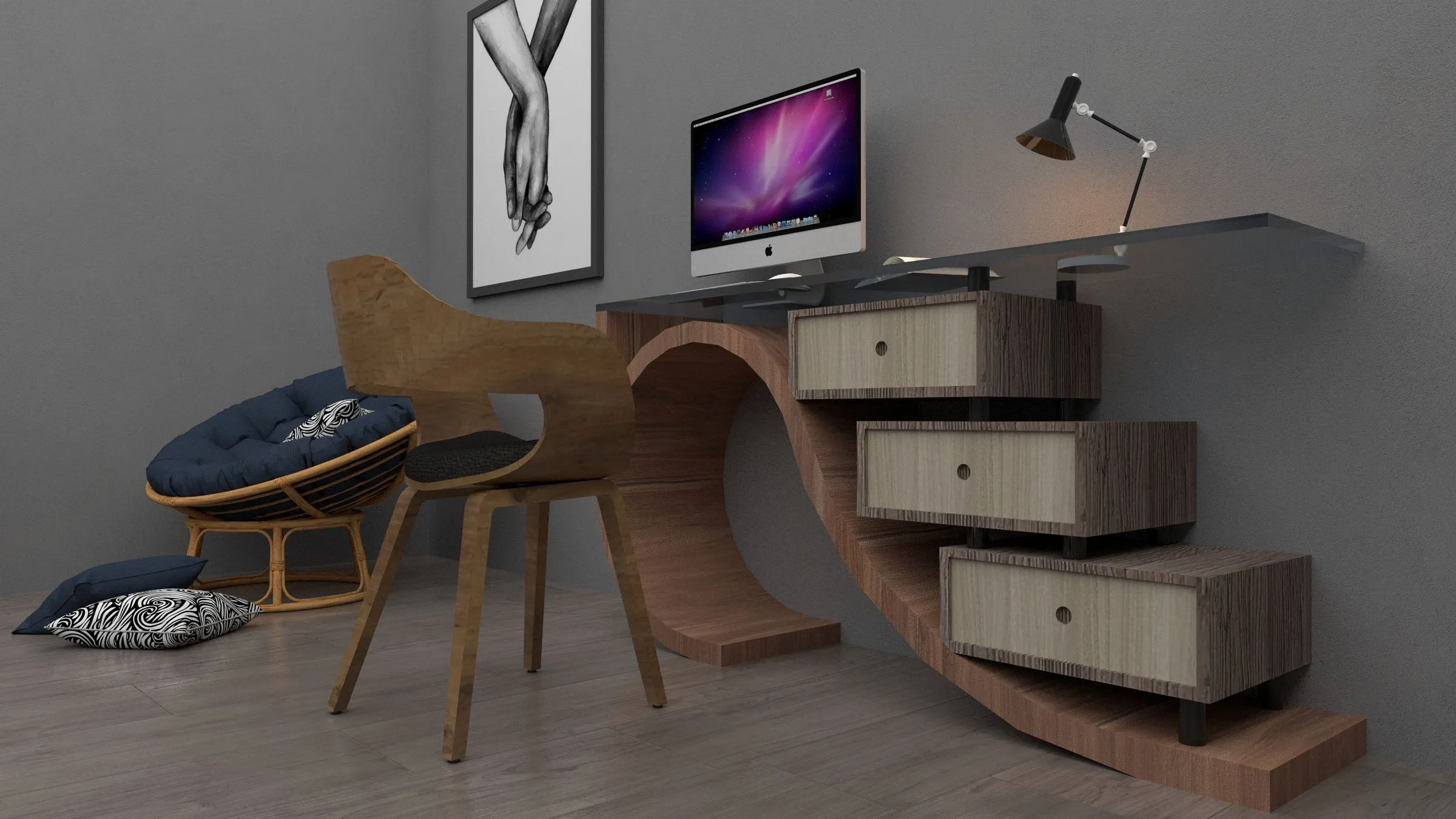
Choose a direction to see what it means in practice. If none of them quite fits, that is normal — most finished projects sit between two.
A restricted palette, concealed storage and a plan that reads in a single glance. Minimal interiors are unforgiving of clutter, which is either the point or the problem depending on the household.
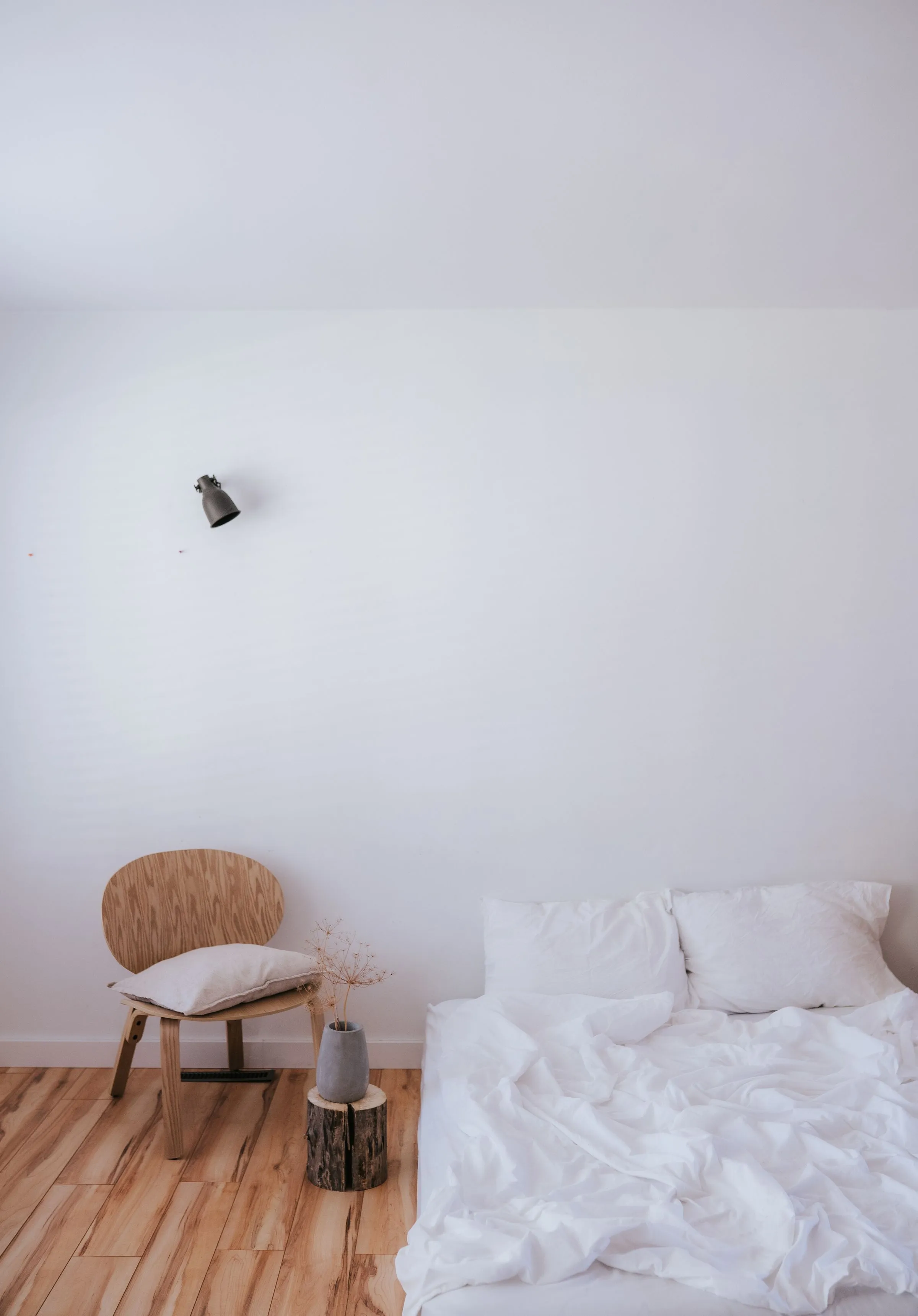
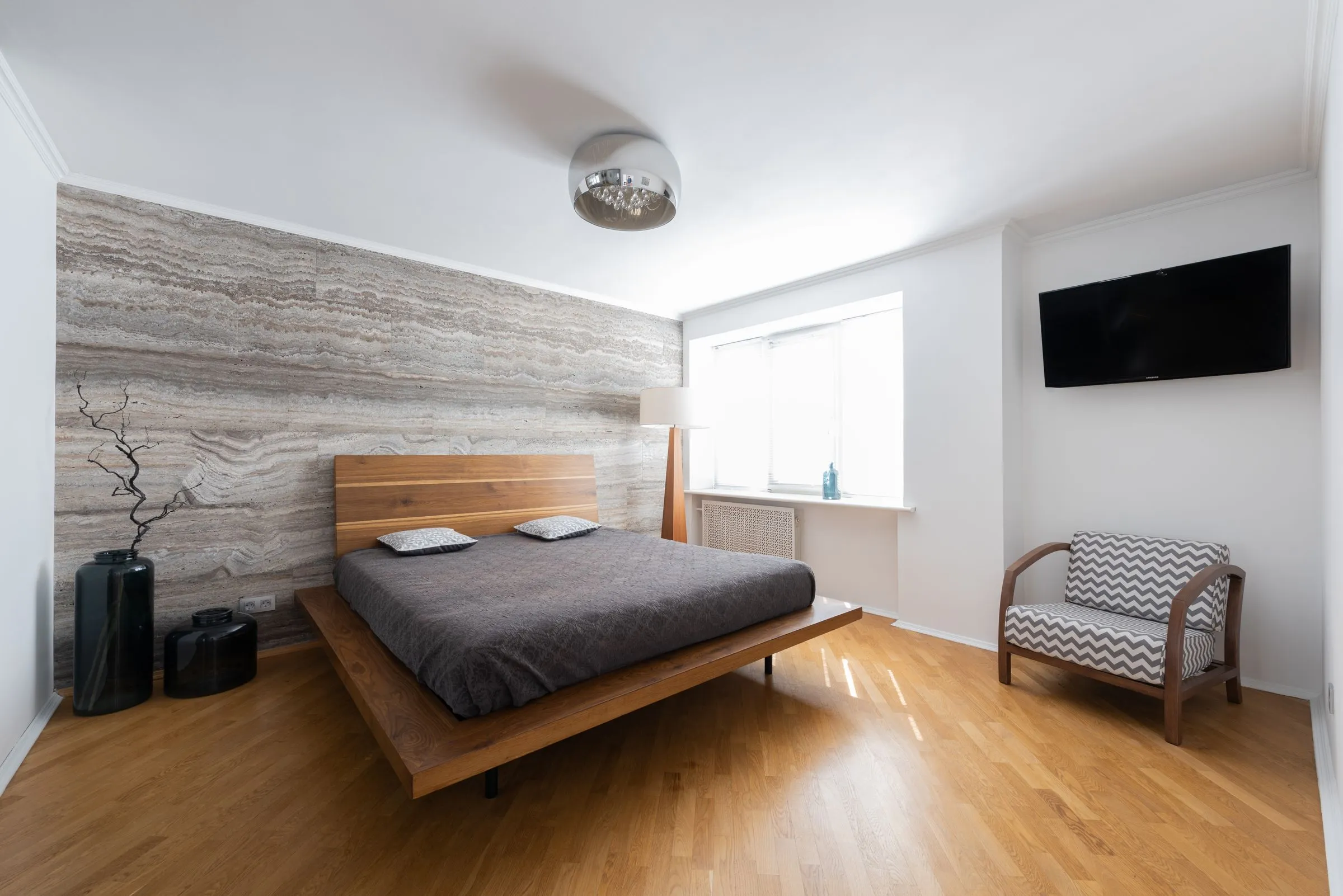
Clean lines with enough contrast to hold a room together — a dark wall, a sculptural light, one strong material. The most adaptable of the styles we work in, and the easiest to live with over time.
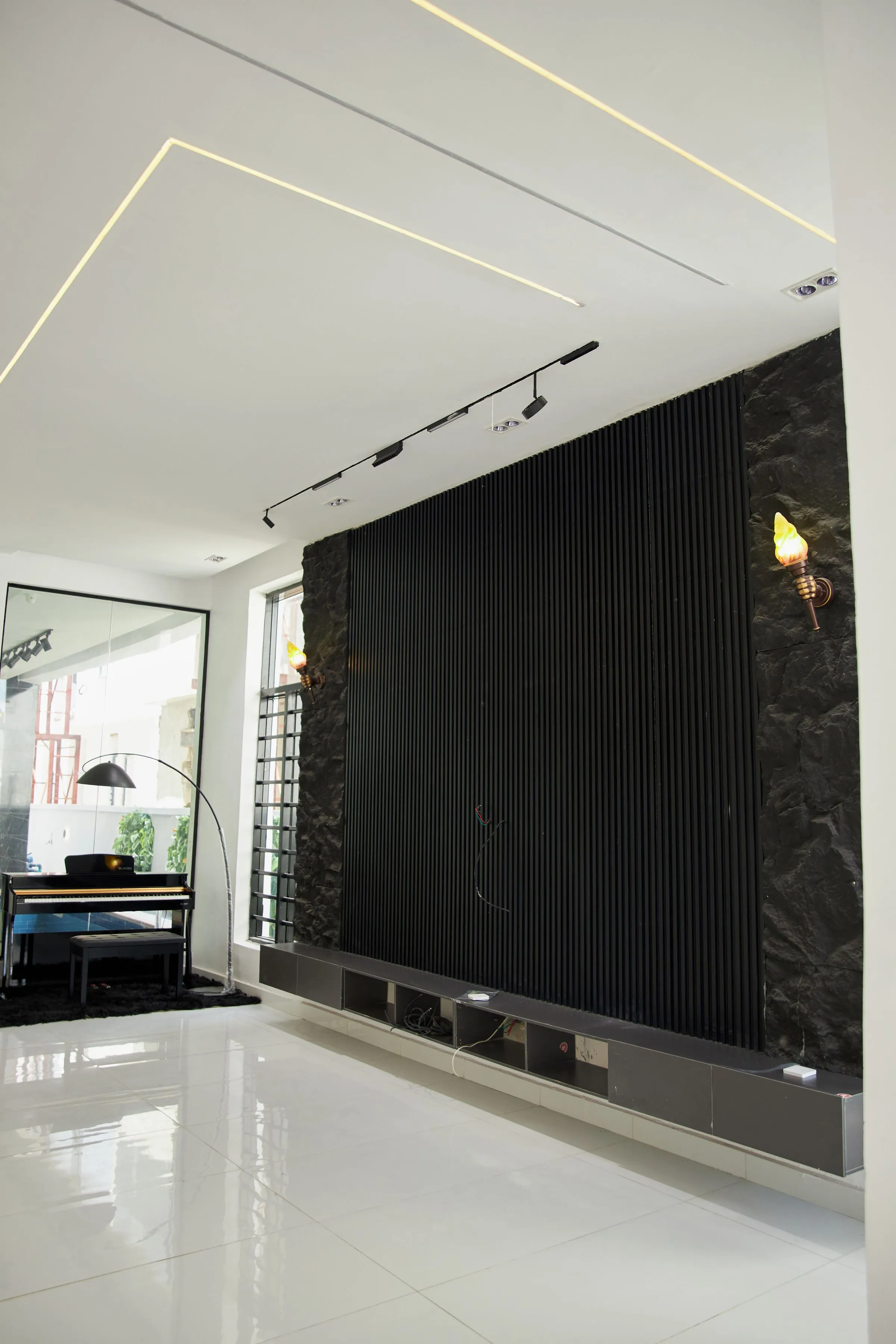
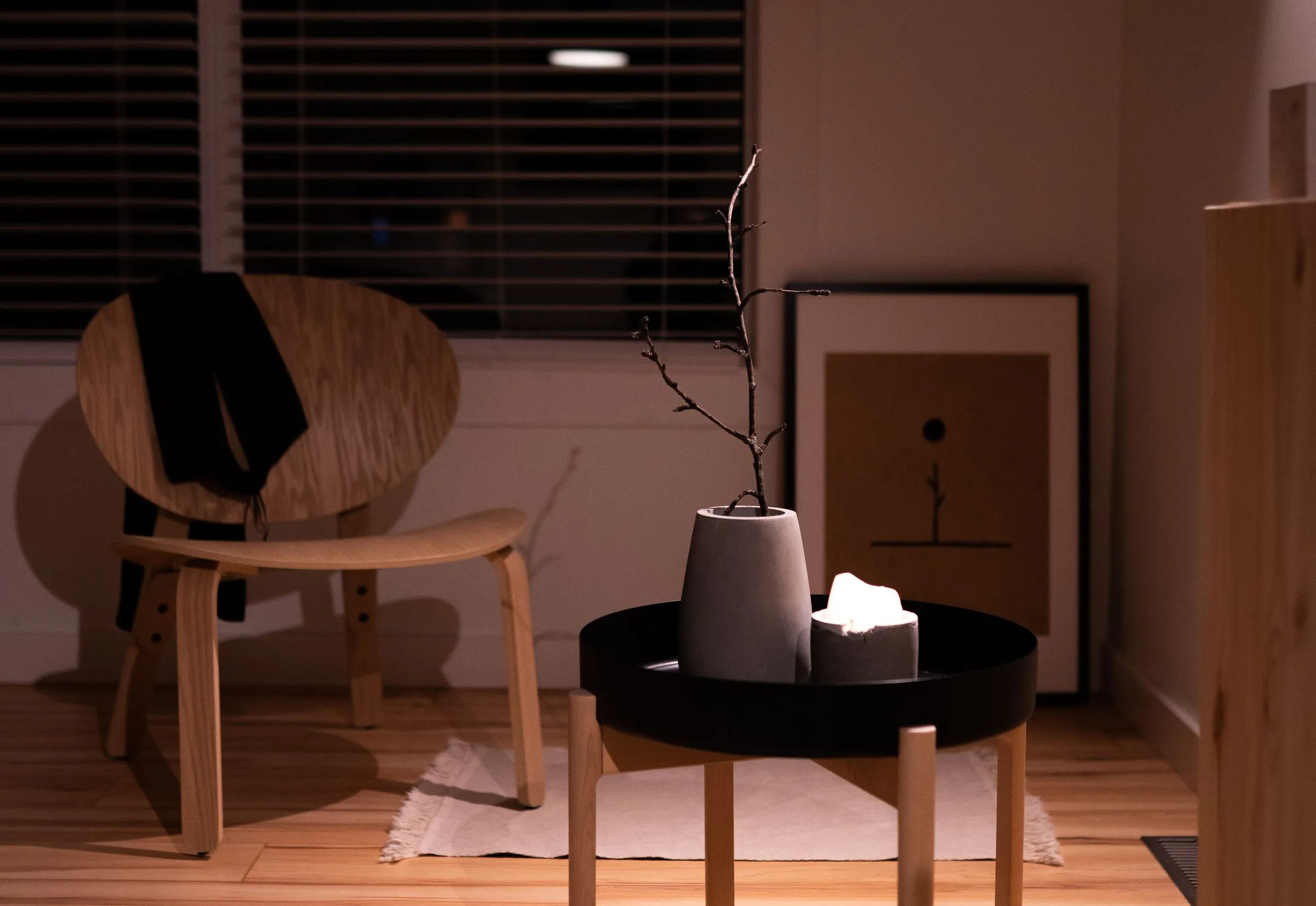
Japanese restraint with Scandinavian warmth. Low furniture, pale timber, paper-like textures and a genuine commitment to empty surfaces. It photographs simply and is surprisingly demanding to detail.
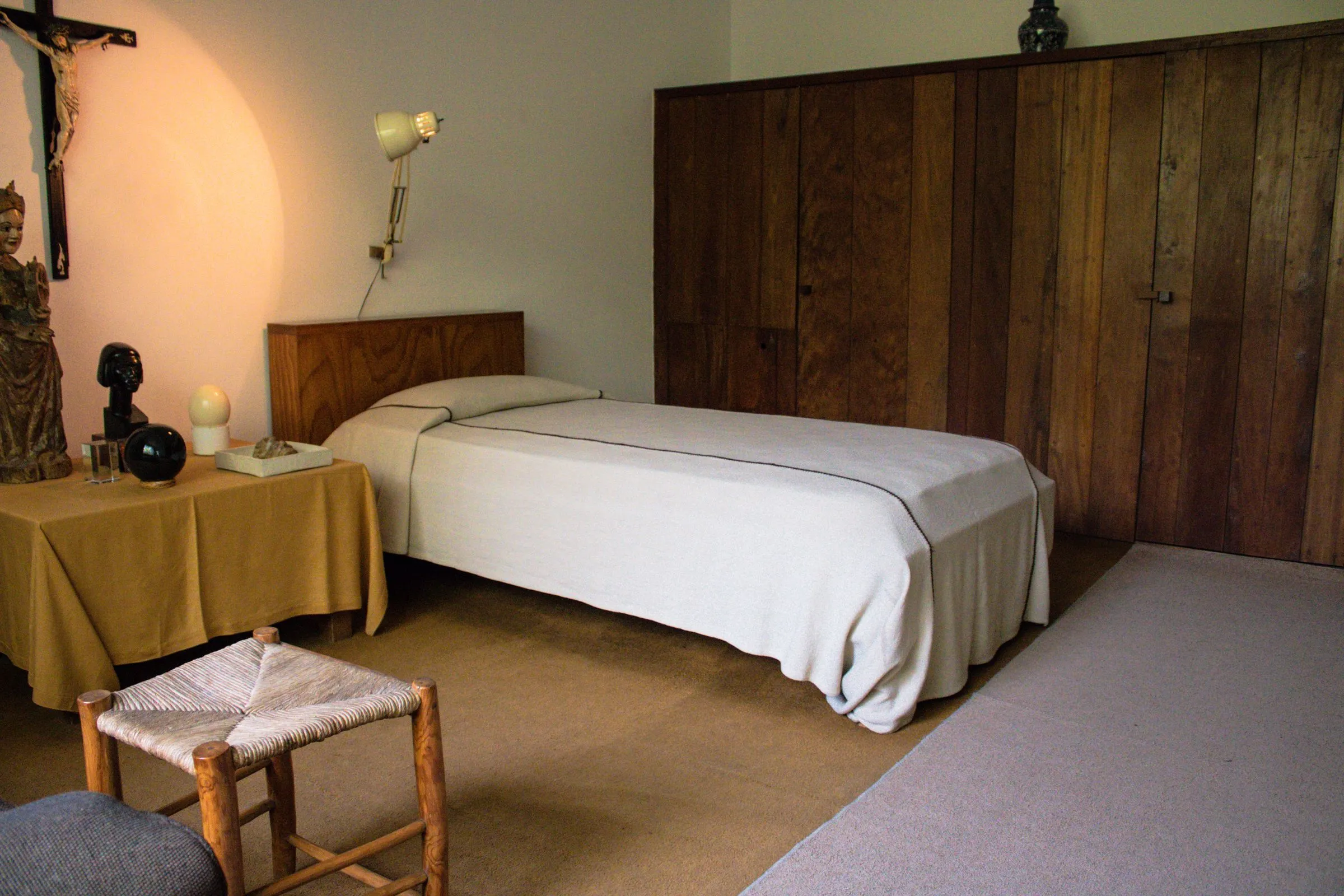
Fewer elements, each one specified without compromise — book-matched stone, solid brass, deep upholstery. The discipline is knowing when to stop, because this style becomes a showroom very easily.
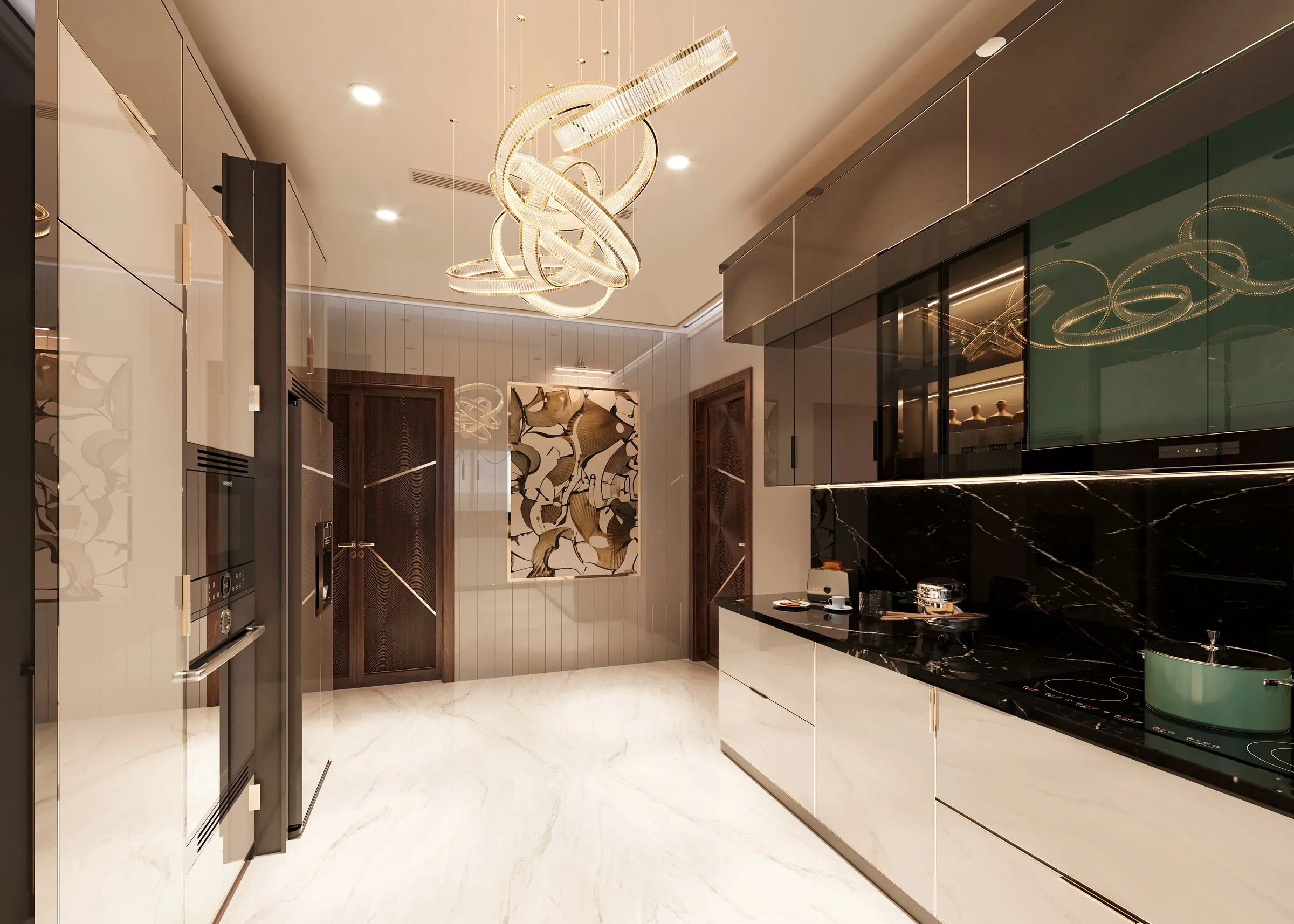
Contemporary planning with warm plaster, timber and textile doing the work that white paint does elsewhere. Our most-requested direction, and the one that ages best in a humid climate.
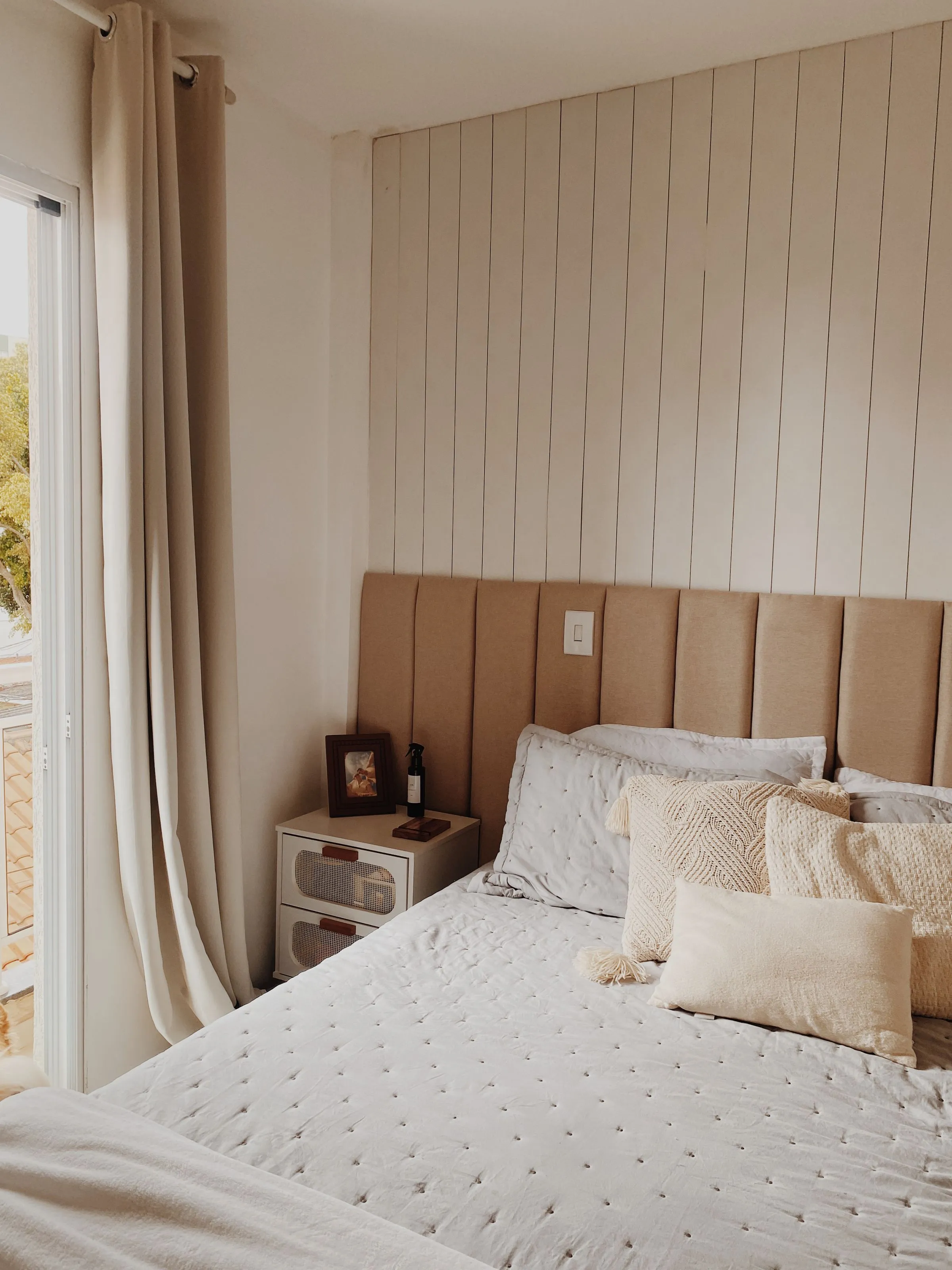
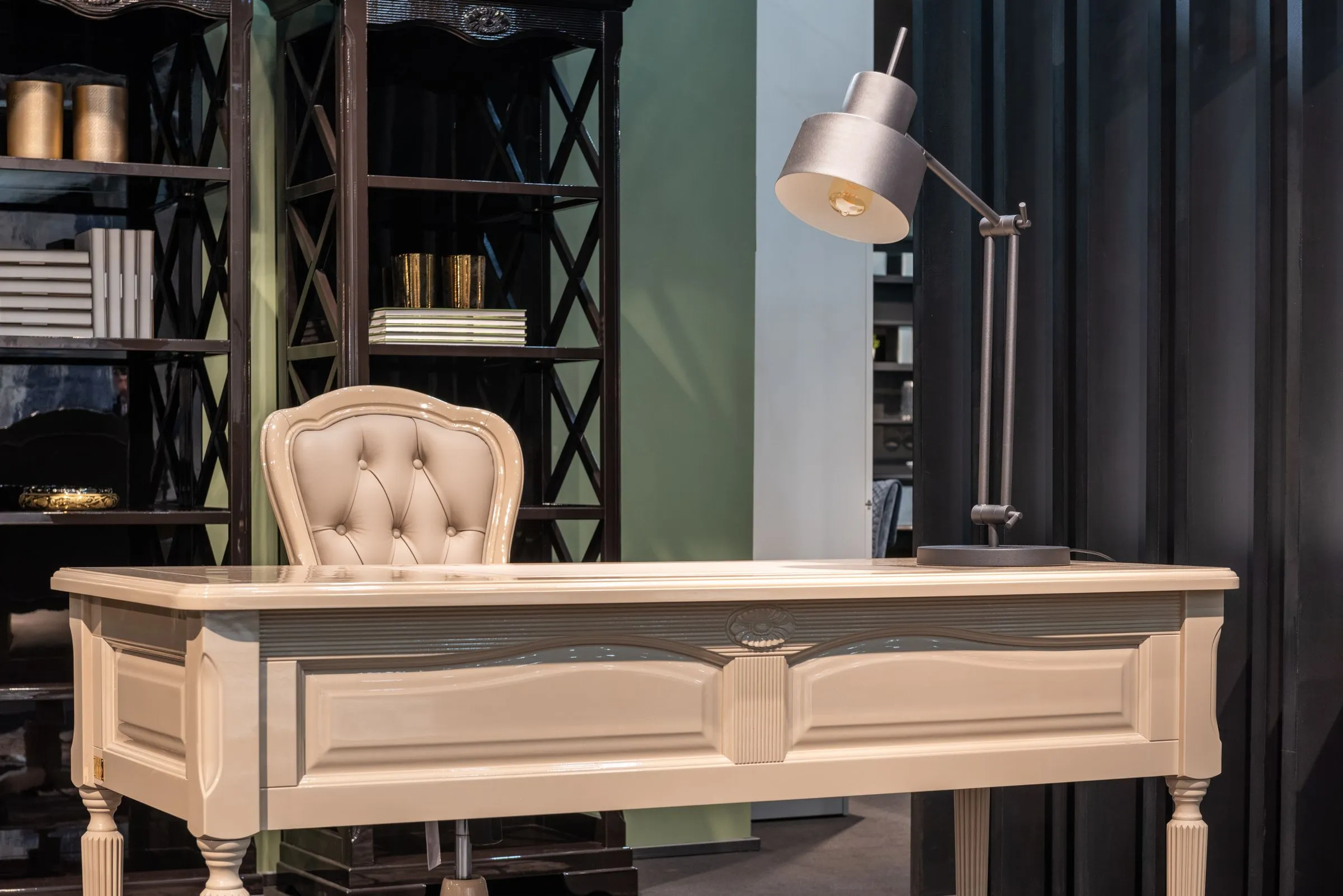
Panelled walls, considered mouldings and furniture with legs. Done well it is timeless; done carelessly it becomes pastiche. The difference is almost always in the proportions rather than the ornament.
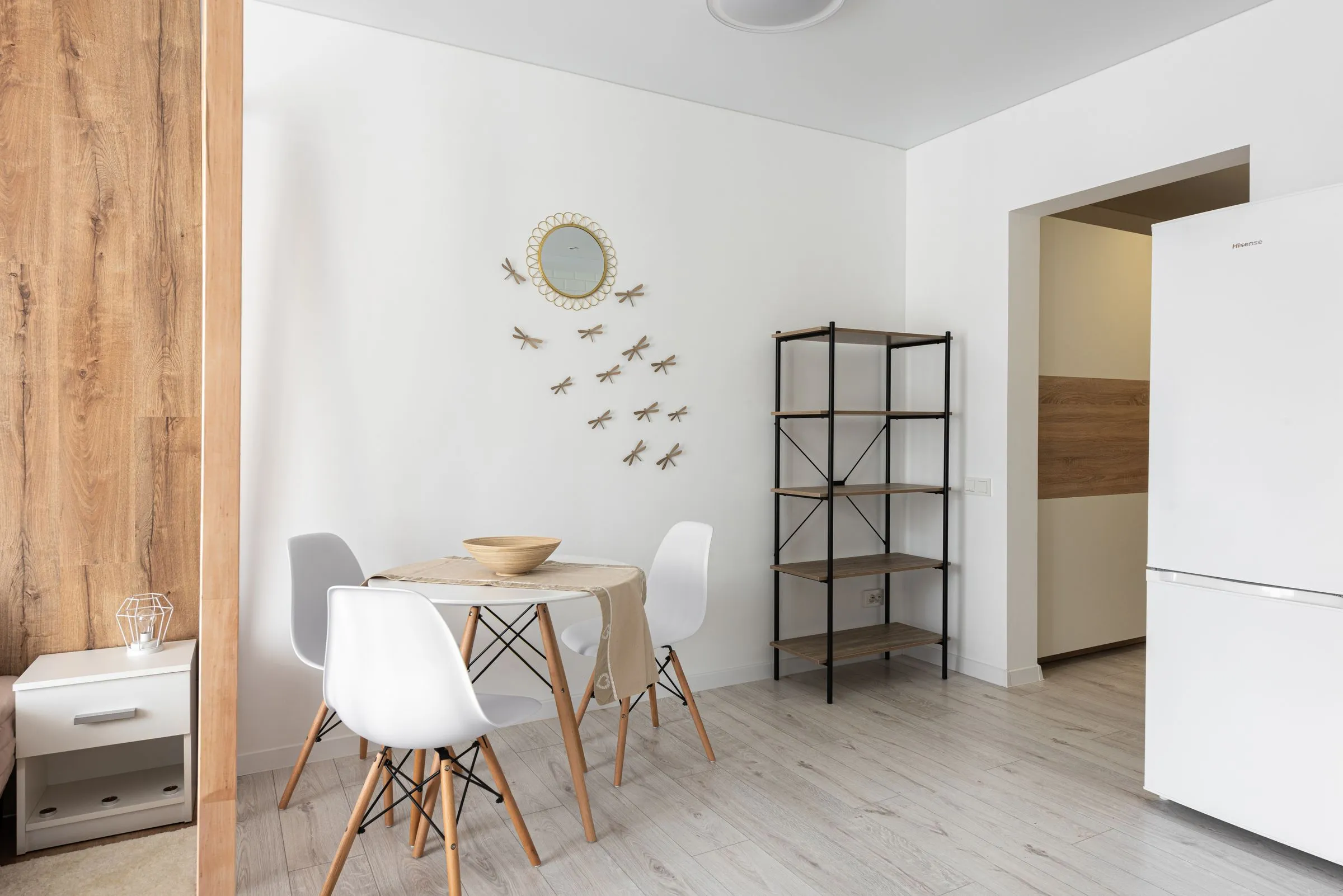
Exposed services, hard floors and dark metalwork, softened by upholstery and warm light. It needs a building with something worth exposing — applied to a new-build apartment it reads as costume.