There is a version of this article that says natural materials are warm, honest and good, and stops there. It would be useless. Natural materials are inconsistent, demanding and frequently more expensive to install. What follows is how to use them anyway.
Accept the variation or do not buy it
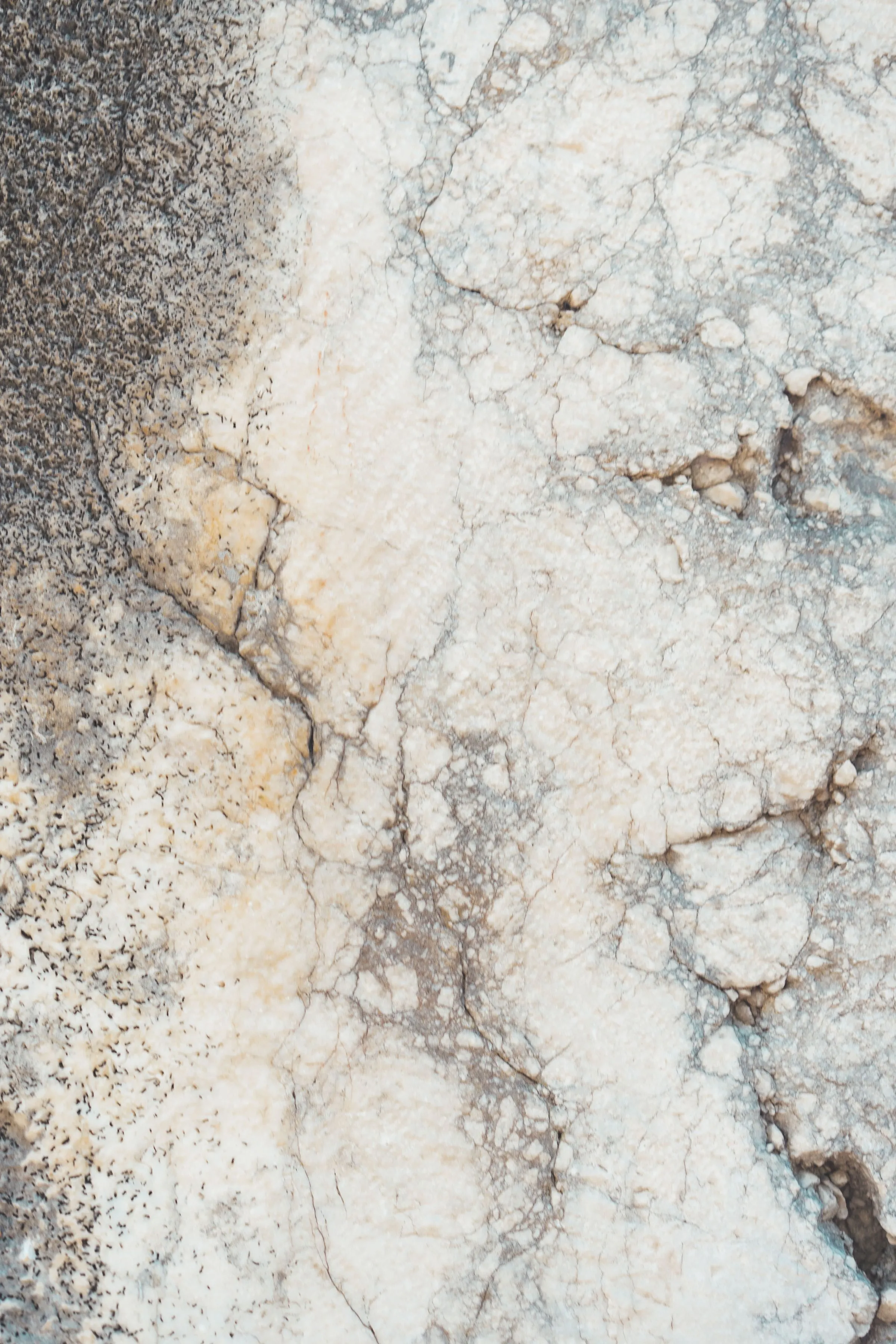
The single largest cause of unhappiness with stone and timber is a client who expected the sample. A sample is one square foot of a material that varies over forty square metres. If uniformity matters to you more than character, specify a manufactured surface and be happy — there is no shame in it and the good ones are very good.
Match the material to the wear
- Kitchen worktops: honed granite, quartzite or a dense engineered stone. Not marble, unless you genuinely want the etch marks.
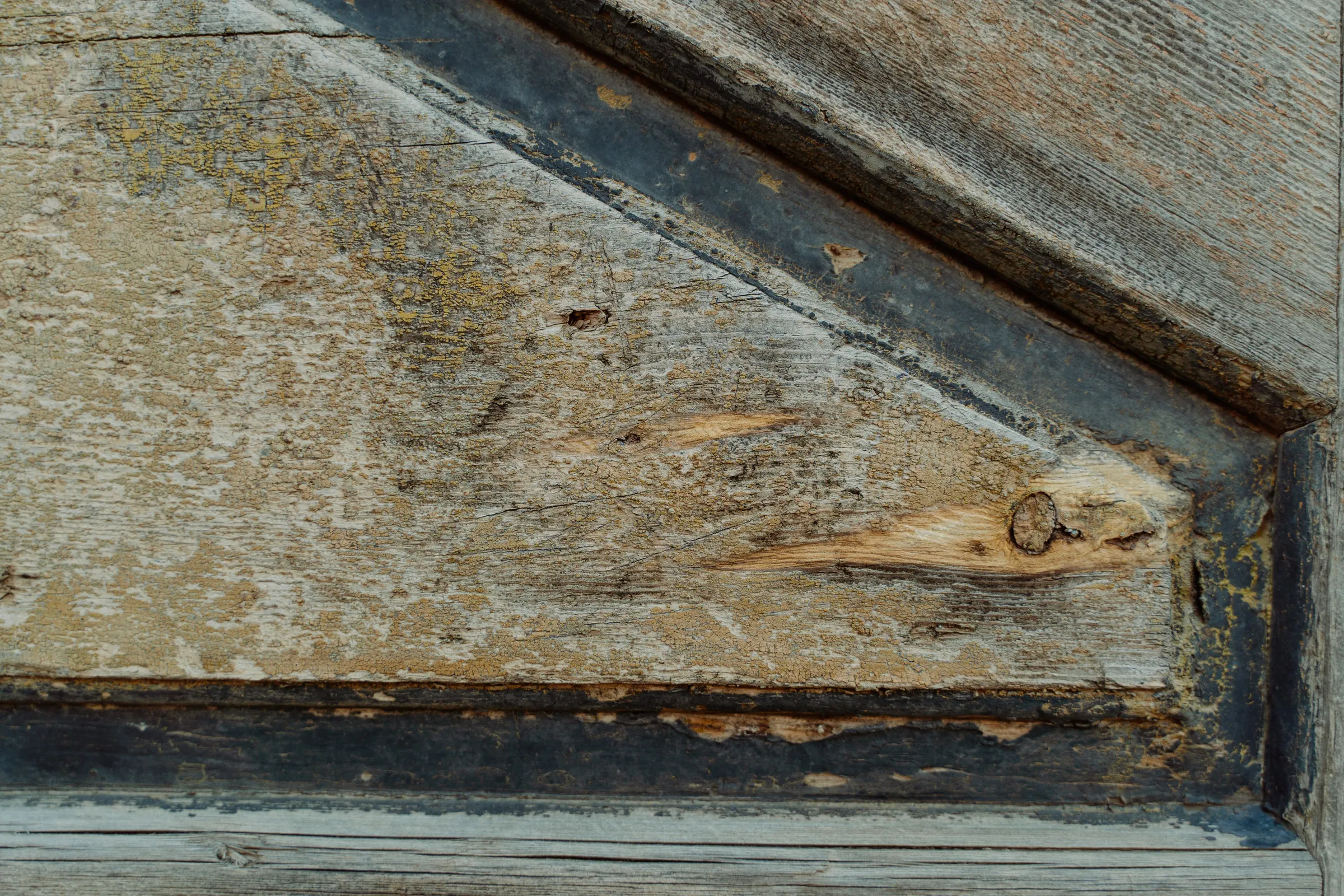
- Floors in a humid climate: stone or engineered timber. Solid timber will move.
- Bathrooms: anything, provided the falls and the waterproofing beneath it are right. The material is rarely the failure.
- Joinery in a coastal location: marine ply carcass, always. This is not optional in Kochi.
The sustainability question, honestly
Stone quarried and shipped across the world is not more sustainable than a locally manufactured board. Timber from a certified source, milled nearby, genuinely is. The material category tells you almost nothing; the supply chain tells you everything.
Ask where it came from and how far it travelled. Those two answers matter more than what it is made of.
Maintenance is part of the specification
We hand over a maintenance schedule with every project that uses natural finishes: what to oil, how often, what never to clean with. A stone worktop sealed once and then ignored for five years will look worse than a laminate. That is not the stone’s fault.