Every material in a building is on a curve. Most start at their peak on the day they are installed and decline from there — the laminate chips, the paint scuffs, the chrome pits. A small number move the other way. Those are the ones worth paying for.
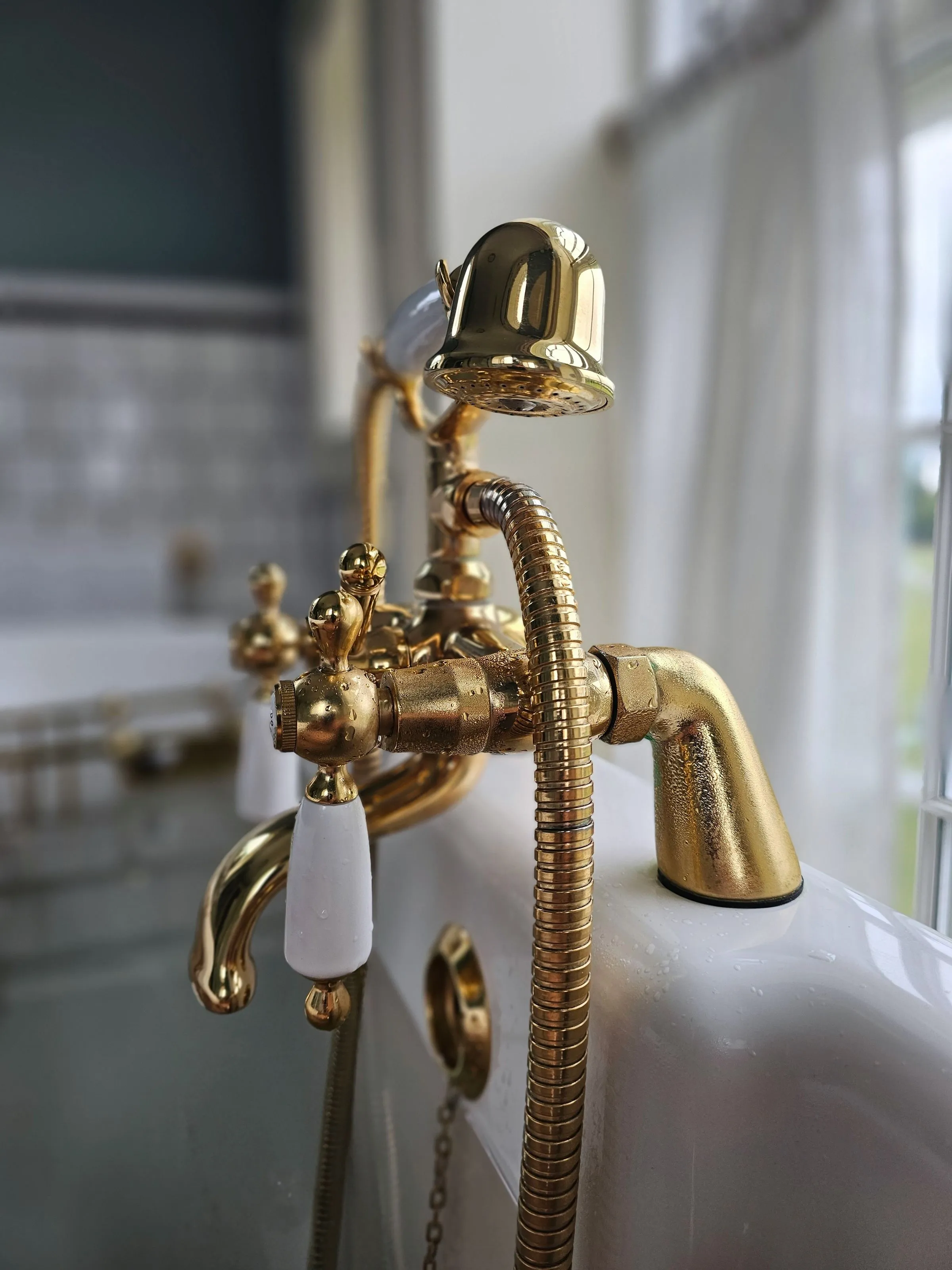
01 — Unlacquered brass
Lacquered brass stays bright for four years and then the lacquer fails in patches and it looks diseased. Unlacquered brass starts bright, dulls, and settles into a soft brown-gold that no factory can reproduce. Where hands touch it — a handle, a tap lever — it stays polished on its own.
02 — Oiled timber
Not lacquered, not varnished. Oiled. A lacquered floor cannot be repaired locally; when it fails, it fails across the whole board. An oiled floor is repaired with a rag and twenty minutes.
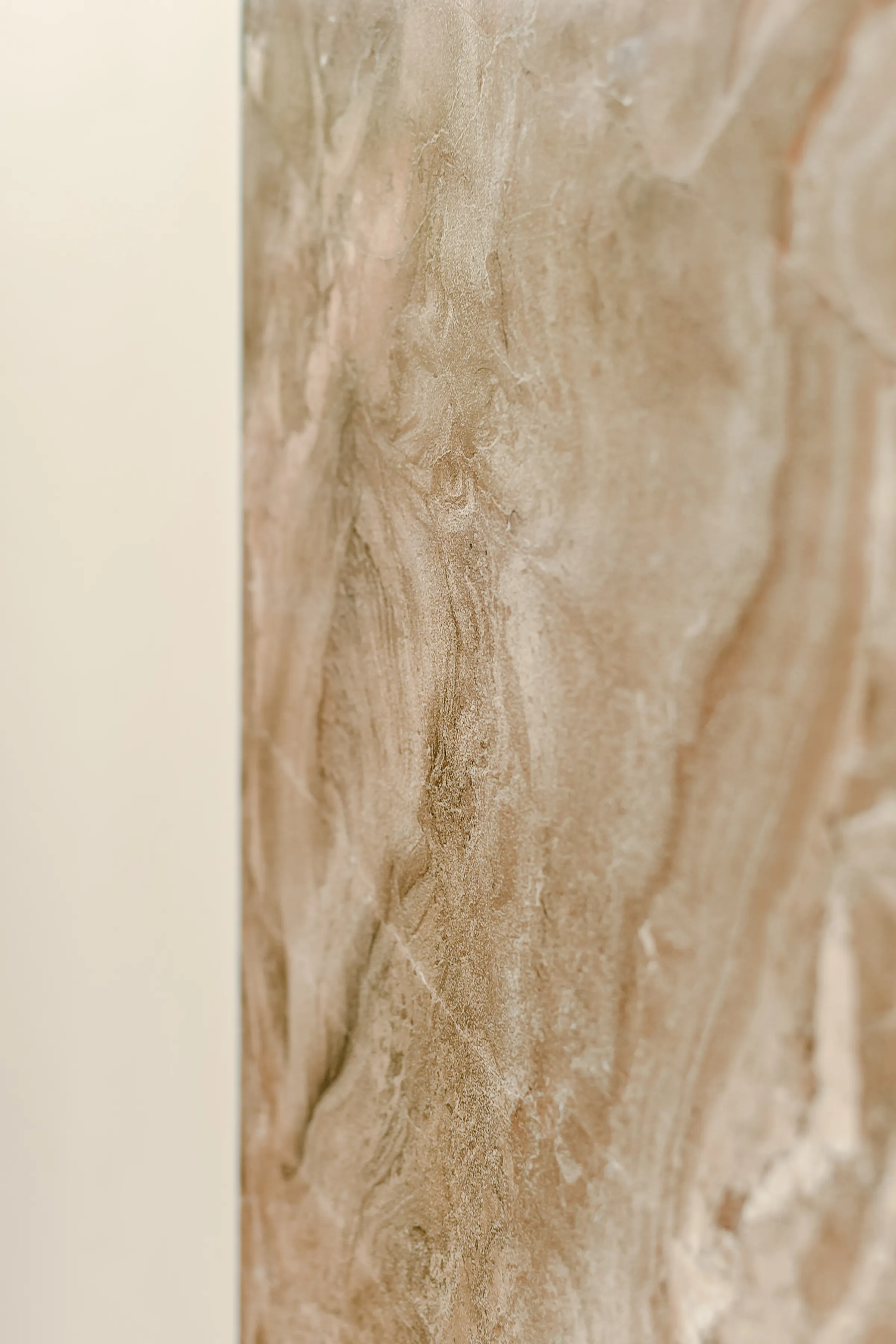
03 — Lime plaster
It moves with the building instead of cracking against it, and it holds tool marks that catch light differently at every hour. It is also breathable, which matters more in a humid climate than most specifications admit.
04 — Vegetable-tanned leather
Chrome-tanned leather is uniform and stays that way until it cracks. Vegetable-tanned leather darkens where it is used, keeps a record of the room, and can be fed rather than replaced.
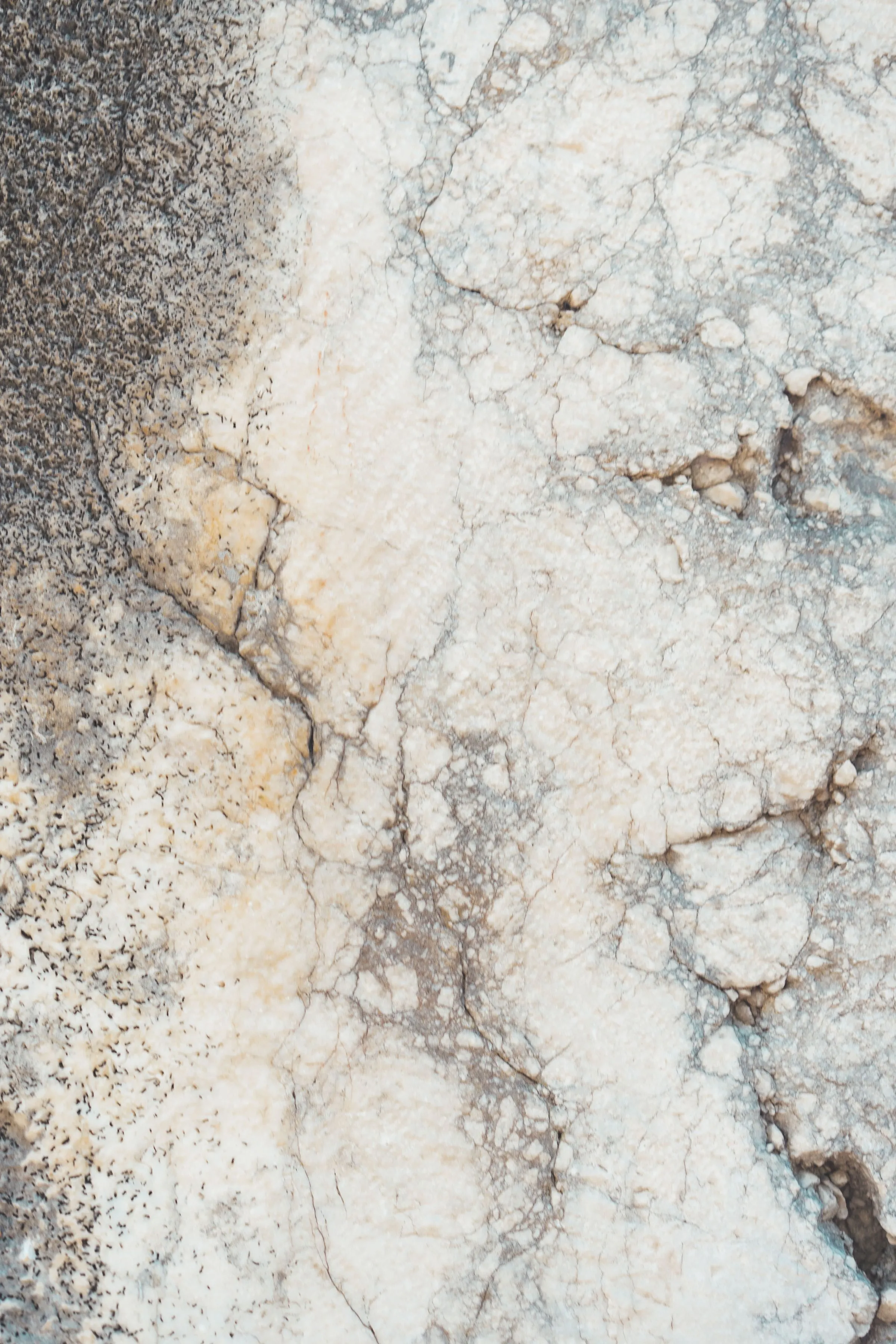
05 — Honed natural stone
Polished stone shows every scratch as a bright line. Honed stone absorbs the same scratch into a general patina. For a kitchen worktop or a bathroom floor this is the difference between a surface that looks used and one that looks damaged.
Specify for year eight, not for handover day. Handover day looks after itself.
The common thread
Every material on this list is a single substance rather than a coating over something else. Coatings fail at the boundary. Solid materials wear through into more of themselves, which is why they can age instead of degrade.