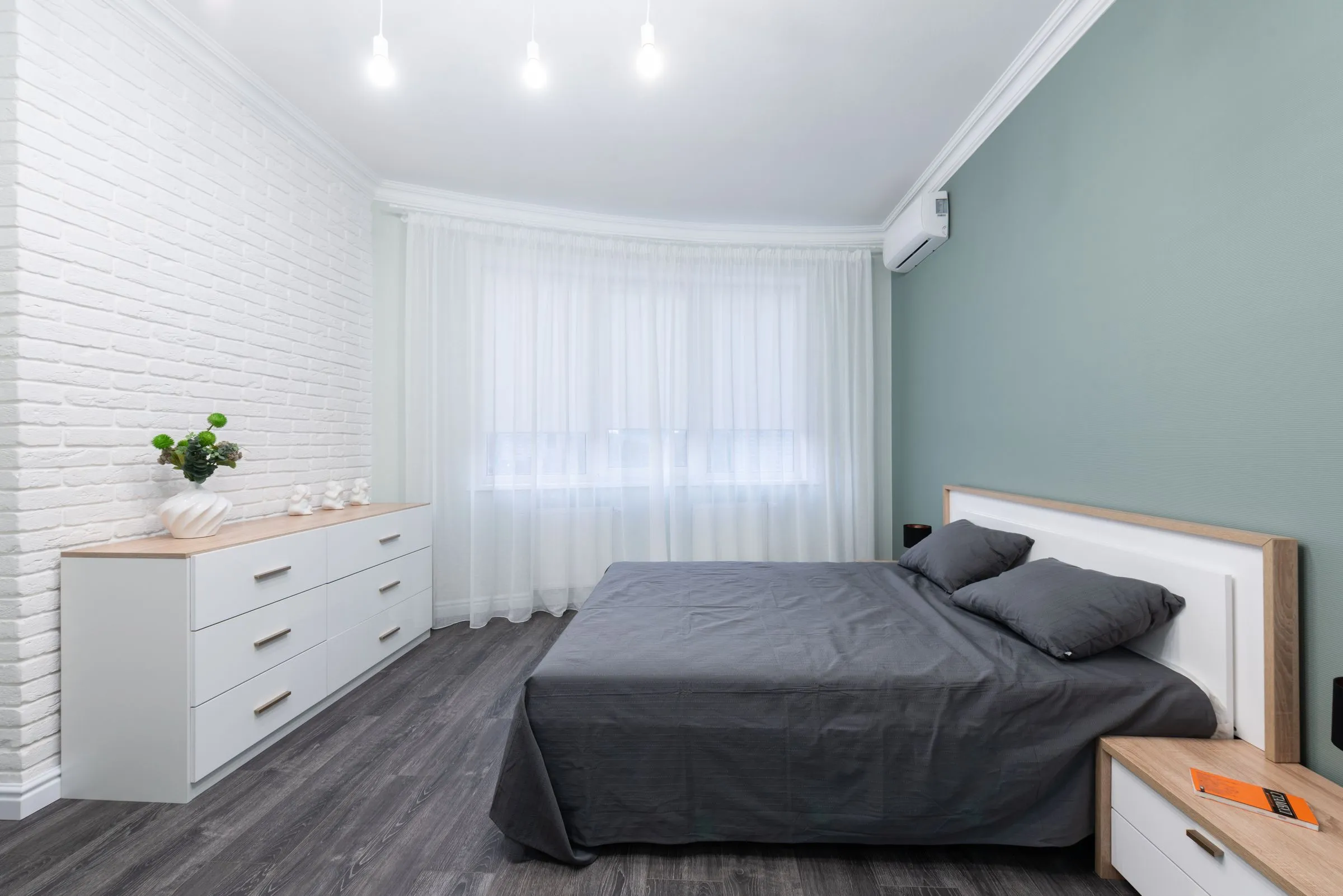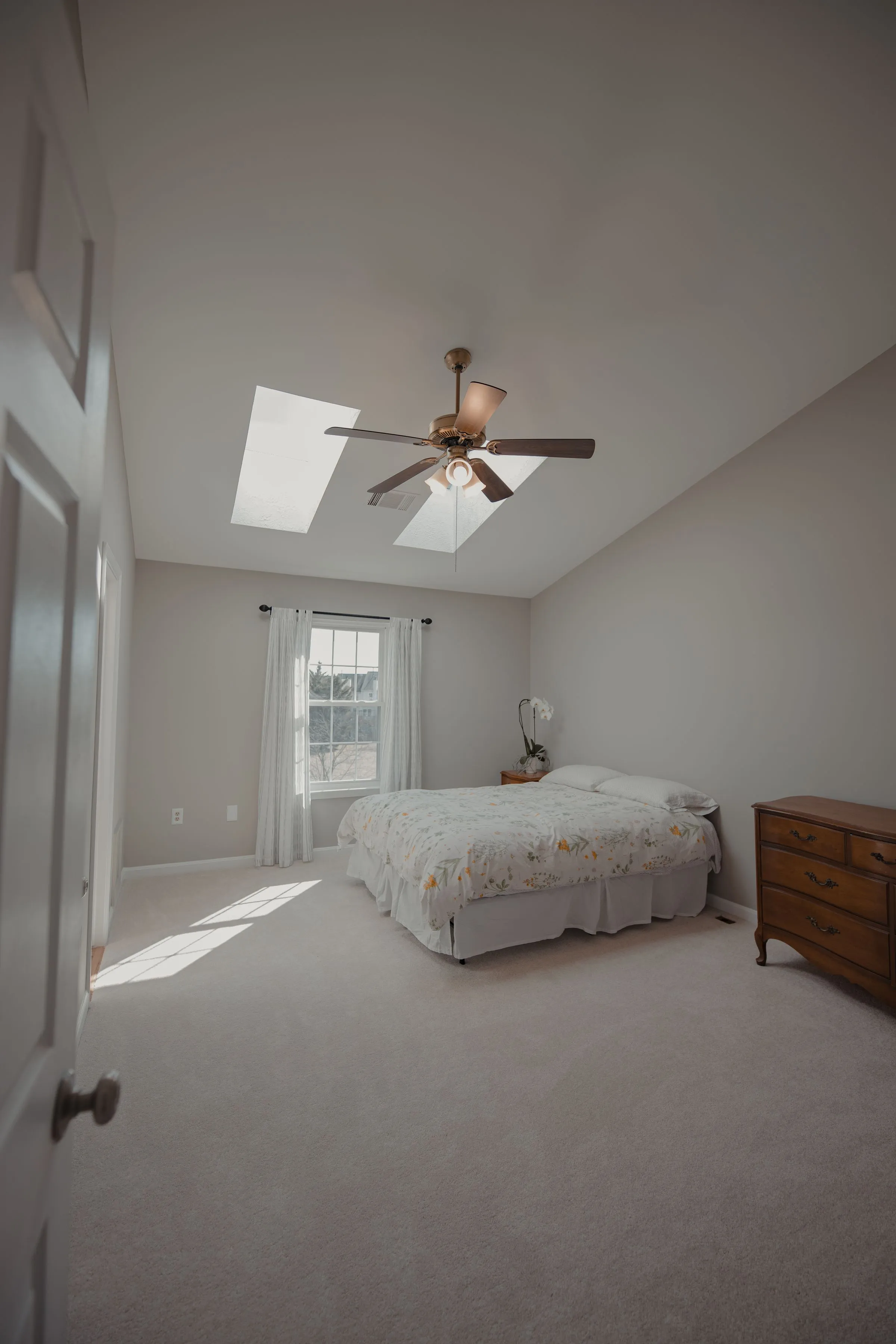
For about ten years, minimal interiors meant white walls, grey floors and as little furniture as the room could structurally support. It was a look that photographed extremely well and lived extremely badly. The rooms were quiet in the way a waiting area is quiet.
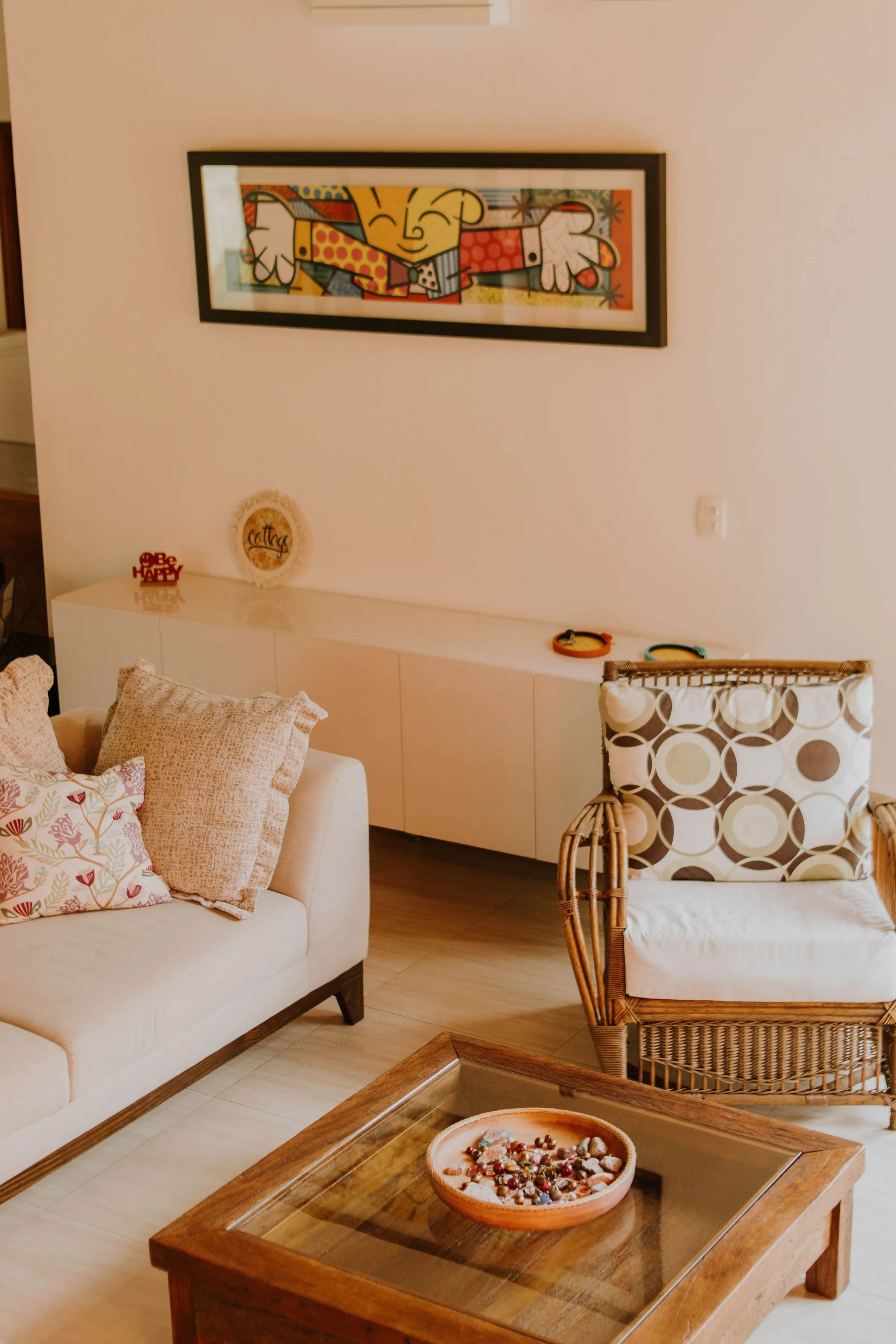
What has replaced it is not maximalism. It is the same discipline about quantity, applied with a completely different attitude to material and colour. Fewer things, but every one of them warm to the touch and slightly imperfect.
Where the warmth actually comes from
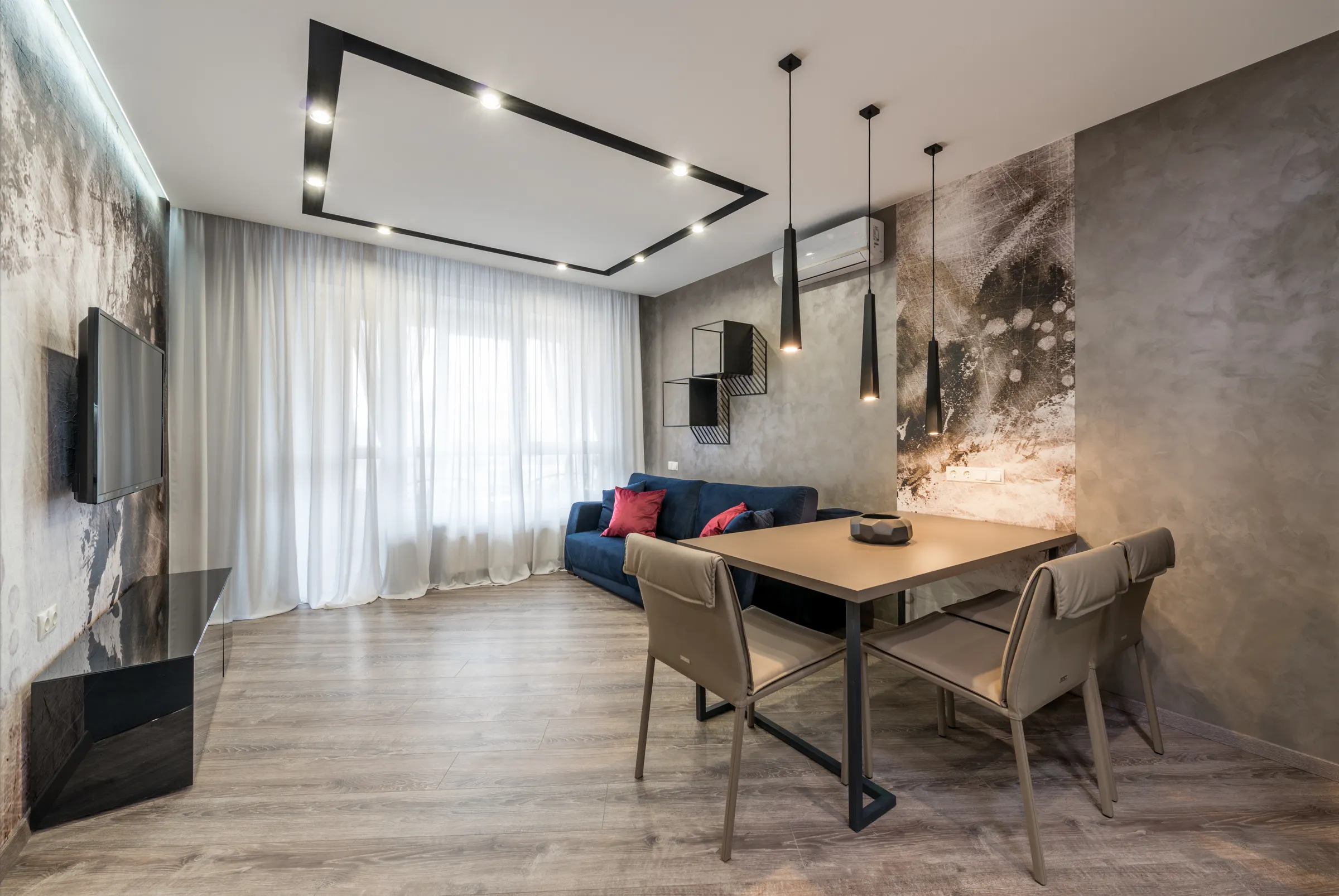
Warmth in an interior is not a colour temperature. It is three things, and only one of them is paint.
- Texture at hand height. The surfaces you touch — a door handle, a worktop edge, the arm of a chair — do more work than an entire wall you never approach.
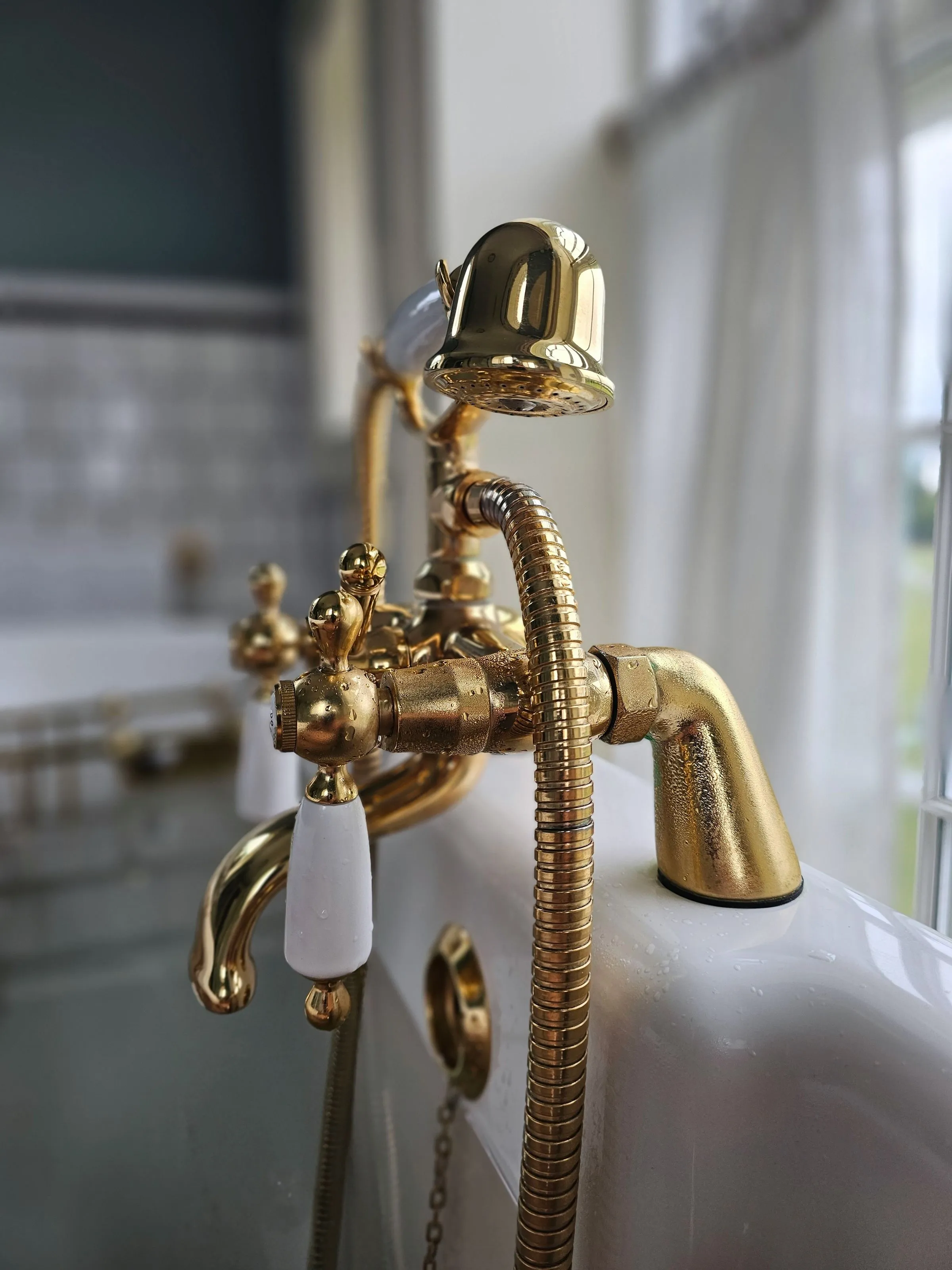
- Materials that show their making. A lime plaster with tool marks in it, an oiled timber that darkens unevenly, a brass that patinates. Anything that will look different in five years.
- Light with a direction. A room lit from three points at different heights reads as warm. The same room on a grid of downlights reads as a shop.
The mistake most people make
They add warmth at the end. A cushion here, a rug there, a warmer bulb. It never works, because the coldness was structural — it was in the reflectance of the walls, the temperature of the floor, and the absence of anything with grain in it.
Warmth is specified at the plaster stage, not bought at the end of the project.
If you want a warm room, the decision has to be made when you choose the wall finish, the floor and the joinery. Those three surfaces account for most of what your eye sees. Everything else is adjustment.
What we specify now that we did not in 2018
- Lime and clay plasters instead of flat emulsion, on at least one wall in every principal room.
- Timber with visible grain rather than veneer chosen for uniformity.
- Unlacquered metals, accepting that they will change.
- Wool, linen and cotton over synthetics, everywhere the budget allows.
- Fewer light fittings, on more circuits.
It costs a little more, and it takes longer to specify, because there is no single supplier for a room full of things that were made rather than manufactured. It is worth it. The rooms are quieter than the white ones ever were, and they are quiet in the way a library is quiet.