Stand in front of a fifteen-year-old rendered wall and a fifteen-year-old stone one and you can see the whole argument. The render is failing in a way that has no dignity — hairline cracks, patch repairs, a slightly different white where the scaffold came down. The stone is dirtier, and better.
This is not nostalgia. It is a claim about how surfaces handle information. Natural materials record what happens to them: rain runs, hands wear, sun bleaches, and the record is legible and even. Most engineered surfaces are designed to record nothing, so when they finally do, the mark reads as damage rather than age.
We prefer materials that get better wet, get better old, and can be repaired by somebody who lives nearby.
In practice this narrows the palette usefully. On Naxos we used the island's own limestone, lime render and Naxian marble, and nothing on the site is painted. In Ticino, the whole house is one concrete pour with a local aggregate that reads warm grey in the morning and almost pink at six. In Lisbon, four thresholds of Lioz — quarried an hour north — carry every service in a listed apartment where nothing may be fixed to the walls.
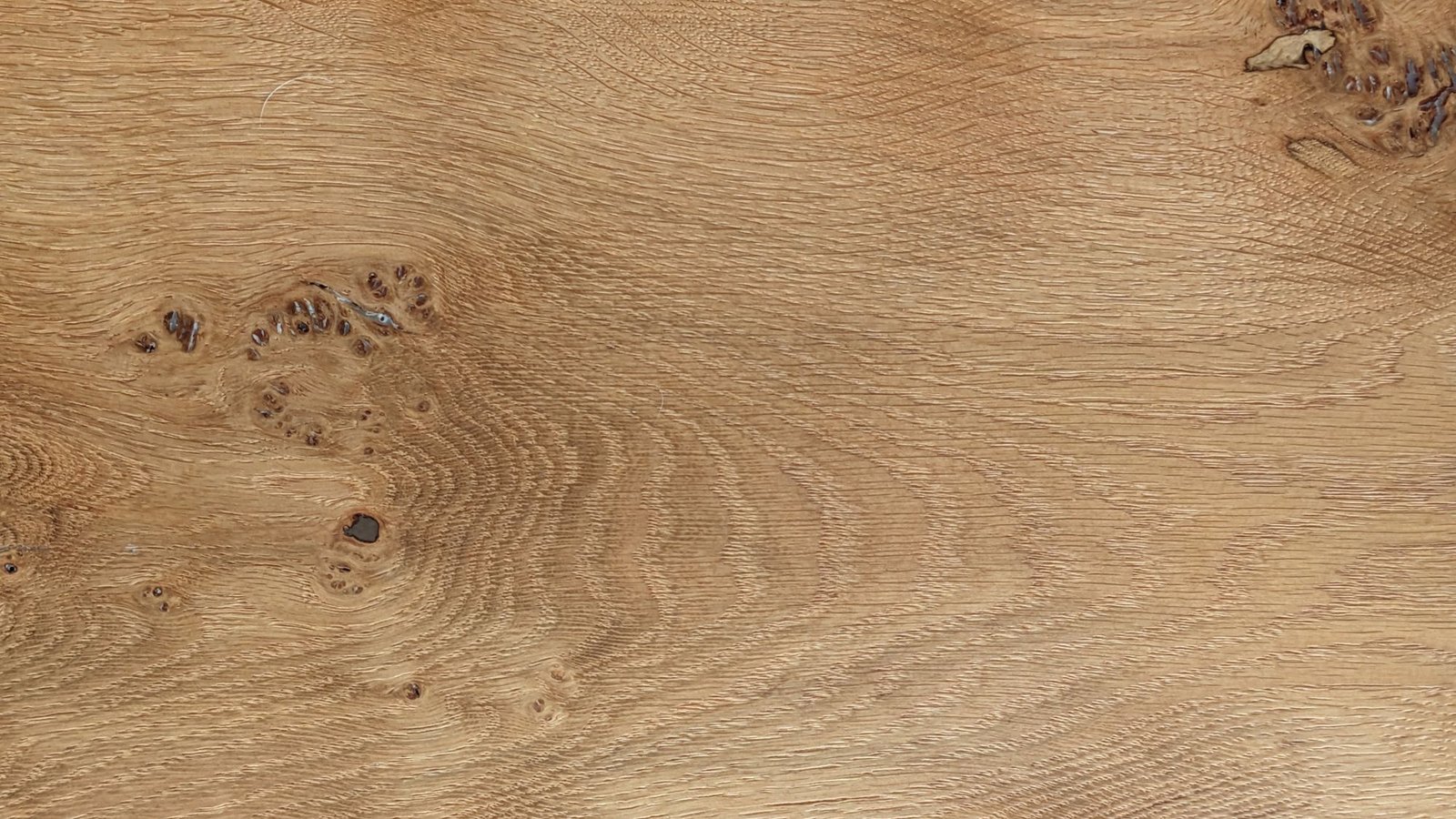
There is a maintenance argument that gets made against all of this, and it is usually backwards. Untreated timber does not need maintaining; it needs accepting. The maintenance burden appears the moment you decide it must stay honey-coloured.
The third argument is about repair. A wall that a local mason can fix is a fundamentally different object from a wall that requires a proprietary system and a specialist from another country. Over a hundred years, the second one is the one that gets demolished.
None of this rules out modern components. Our buildings have thermal breaks, membranes and triple glazing. But those live inside the wall. What you can touch, we try to keep to things that came from somewhere near, and will look like themselves for a long time.