There is a moment in almost every project where someone asks what the plant room will be. It is a reasonable question and usually the wrong first one. Before a building has any equipment in it, it has an orientation, a section, a wall thickness and a window size, and those four things decide most of what the equipment will have to do for the next hundred years.
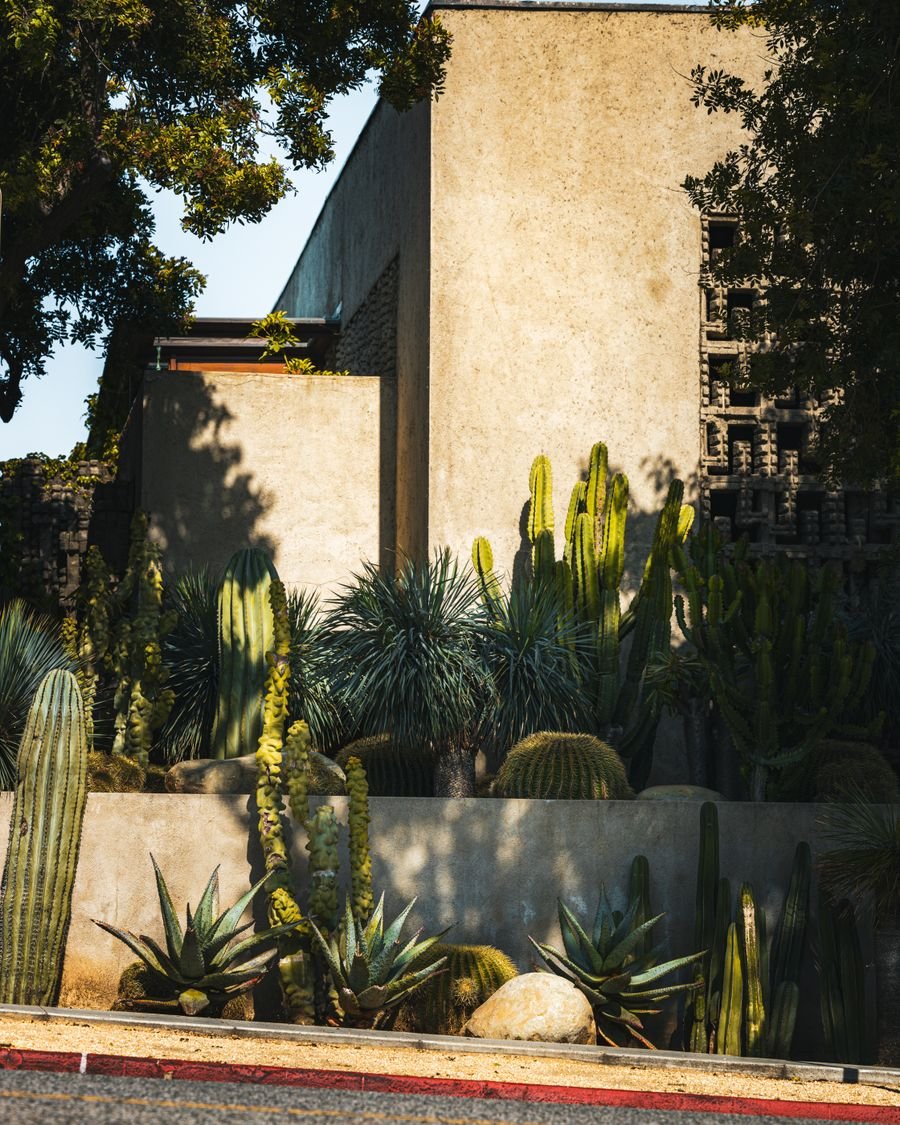
Casa Terra sits on a plain where summer air passes 40°C for weeks at a time. It has no cooling plant. This is not asceticism — it is a 600mm rammed-earth wall, a courtyard with water in it, and a plan oriented to a wind that has been arriving from the north-west since long before there was a house to meet it.
The building holds the night's cool the way a cave does, releases it slowly through the afternoon, and dumps what is left through high-level vents after midnight. The owners open two doors in the morning and close them at eleven. That is the whole system.
A building that needs to be told what to do every day will eventually be told wrong.
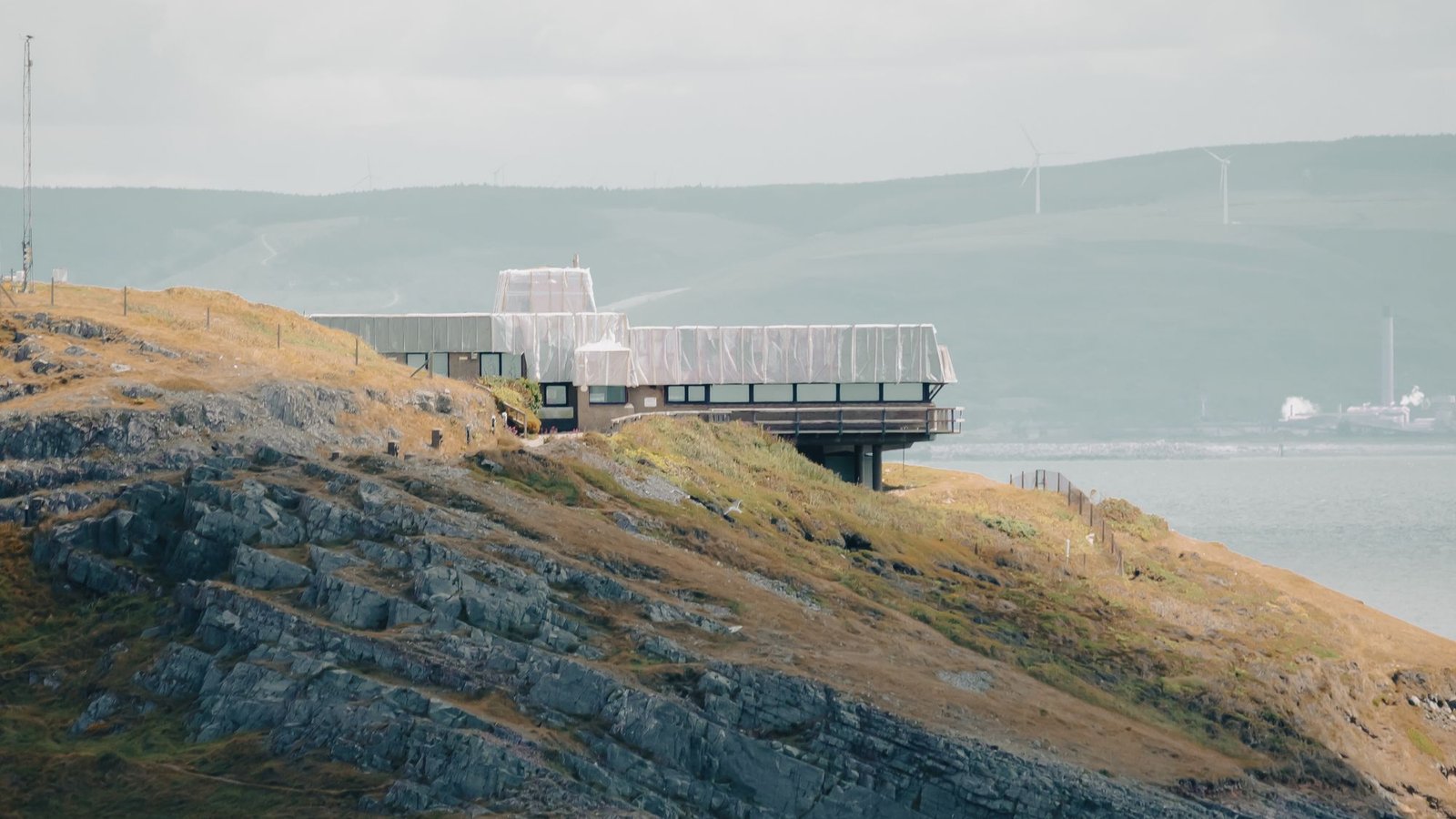
The counter-argument is that this only works in a dry climate with a big diurnal swing. Partly true. But the method transfers even where the physics does not. In Telemark the same discipline produced a house lifted off the ground so meltwater could run its old course, with a section deep enough to keep low winter sun on the back wall of every room until three in the afternoon.
What travels is not the detail but the order of operations. Site and section first. Fabric second. Systems last, and as small as the first two allow.
There is a cost argument here too, and it is not the one people expect. Passive measures are usually cheaper over thirty years and almost always cheaper over a hundred, but they are not cheaper on the day the tender comes back. That gap is where most good environmental design dies, and the only way past it is to make the decision early enough that it is structural rather than optional.
The last part is behavioural, and architects are bad at admitting it. A building that needs to be told what to do every day will eventually be told wrong. So the rule we apply now is simple: if comfort depends on someone remembering to do something, we have not finished designing.