The default product launch — stage, screen, deck, reveal, canapés — is so familiar that the audience has stopped watching it. Here is the structure we use instead.
Decide what the room should feel, not what it should learn
Specifications belong in a press pack. A room full of people has one useful capability a document does not: it can produce a shared feeling. Design for that and let the document do the rest.
Put the product in hands, early
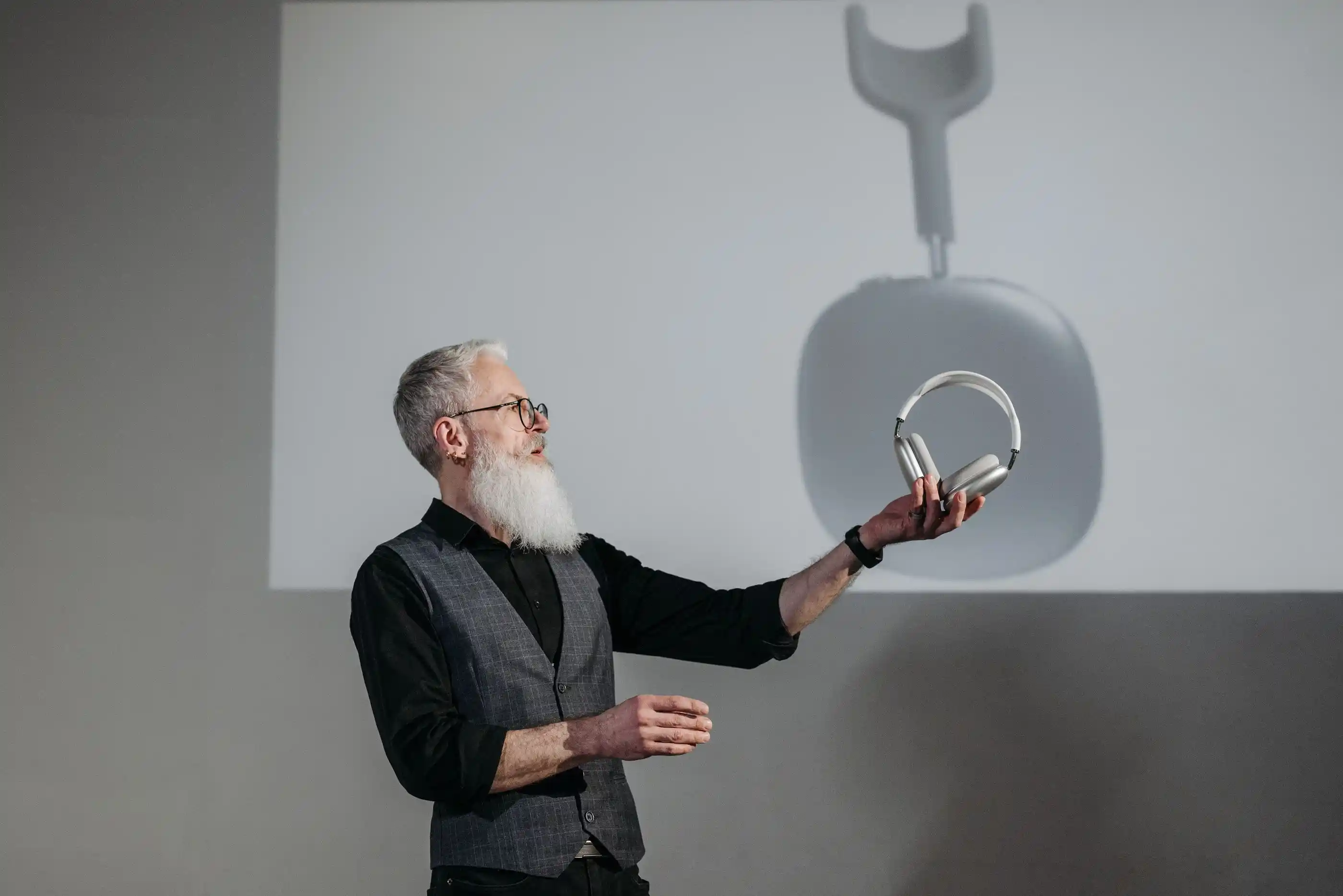
The single highest-impact change we make to launch formats is moving the hands-on moment forward. A product held is remembered; a product projected is not.
Cut the running time in half
Ninety minutes of stage time will not hold. Forty-five will. Everything you remove from the stage becomes conversation on the floor, which is where coverage actually comes from.
Design the frame the press will shoot
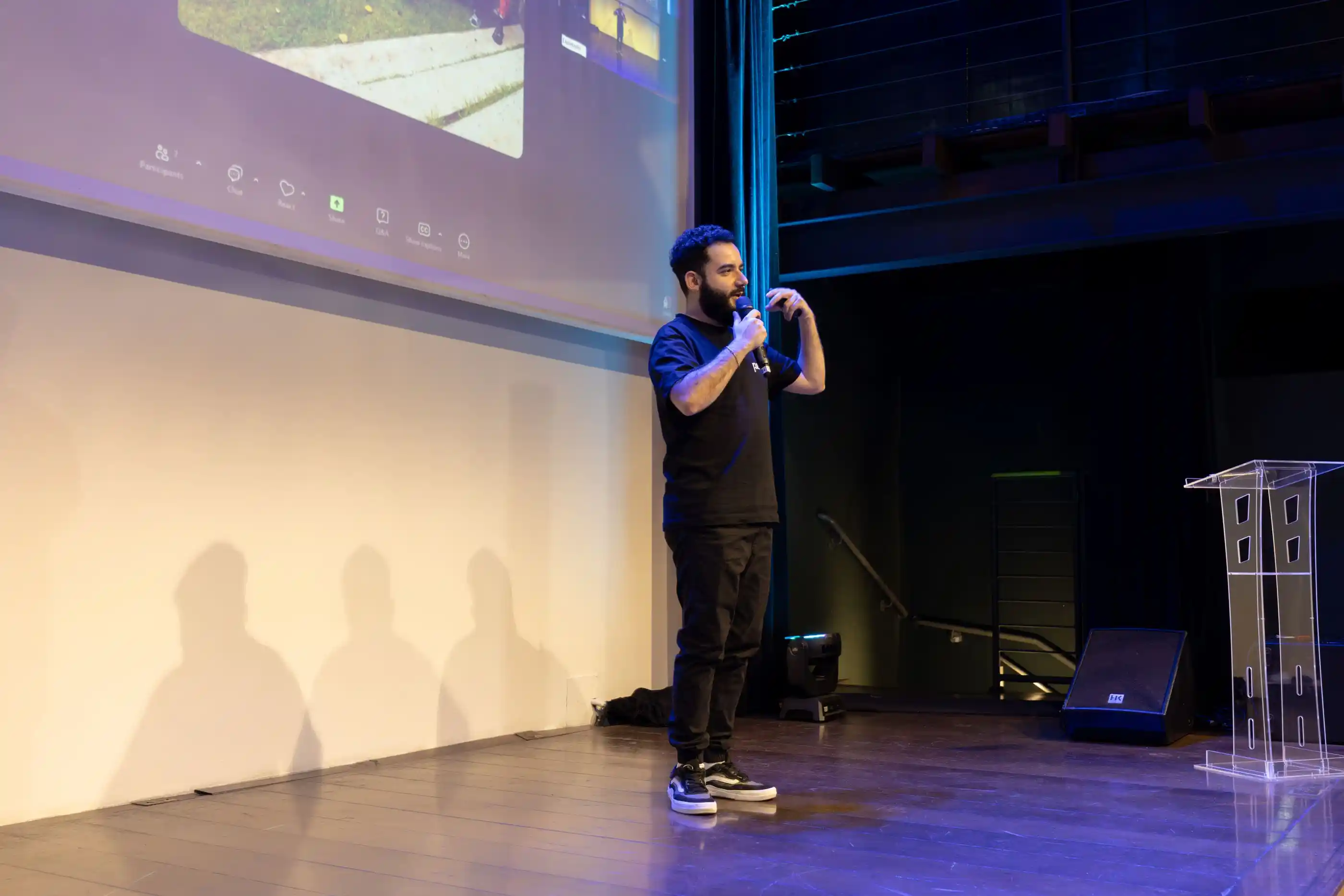
Decide in advance what the photograph of your launch looks like, and build that frame properly. If you do not choose it, the room will choose it for you, and it will usually be a lectern.
Rehearse the questions, not just the script
The moment your launch is most likely to go wrong is the first unscripted question. Rehearse those harder than the keynote.