Trend pieces usually describe what looks new. This one describes what has changed in the data we collect from our own events — session dwell, break behaviour and post-event survey scores across forty corporate projects.
Sessions got shorter and breaks got longer
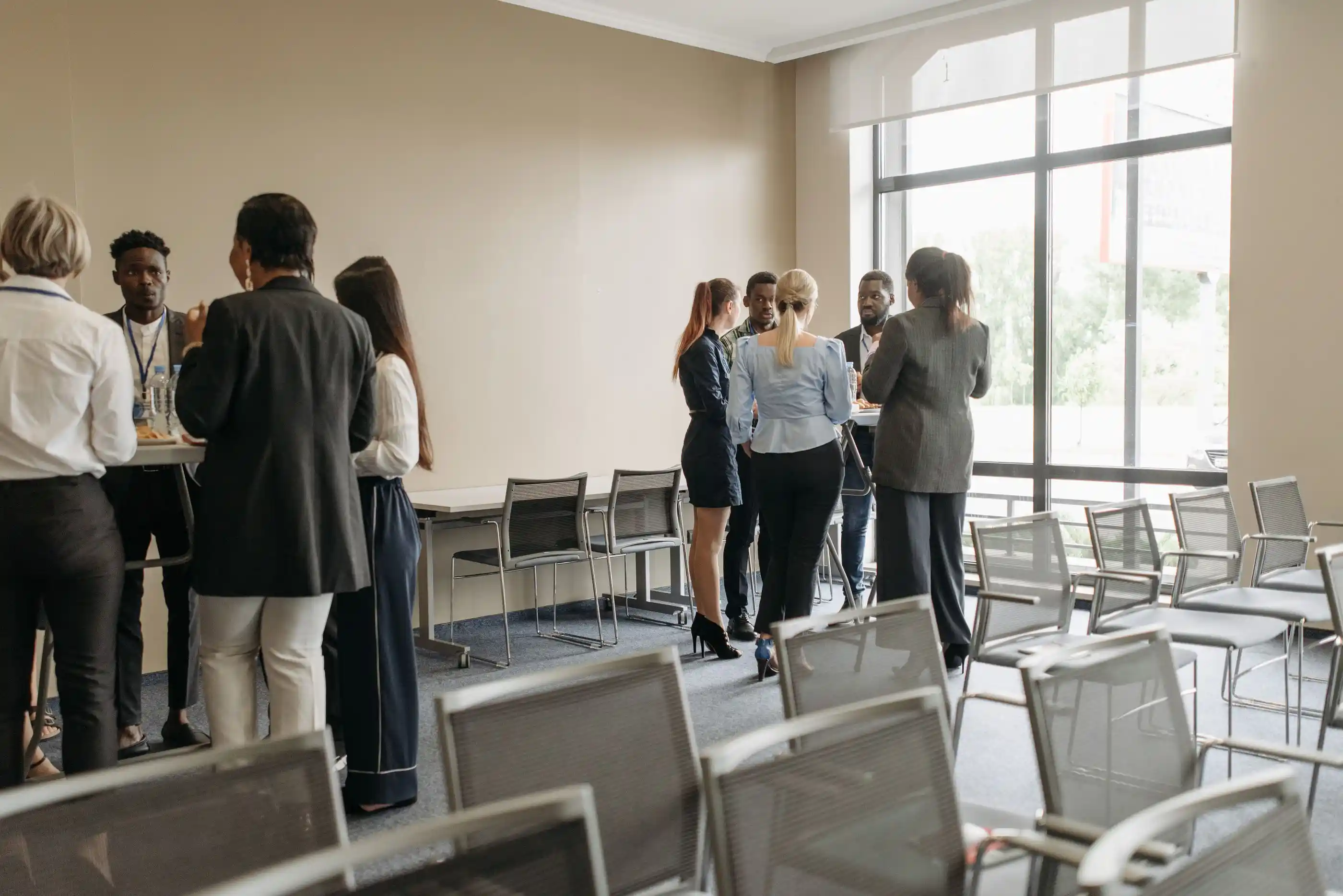
Two years ago a standard conference session ran 45 minutes with a 15-minute break. We now programme 30 and 25. Measured dwell in the exhibition or demo space has roughly doubled as a result, and post-event survey scores on "usefulness of networking" moved more than any other metric we track.
The keynote stopped being the reason people came
When we ask delegates what they came for, the answer is increasingly "the people in the room" rather than the person on the stage. That has a design consequence: the corridor deserves the budget the stage used to get.
Hybrid settled into a smaller, better role
The all-in hybrid production has largely gone. What replaced it is more useful: recording the sessions properly for later, and streaming only the two or three moments a remote audience genuinely needs live.
Food became a scheduling decision
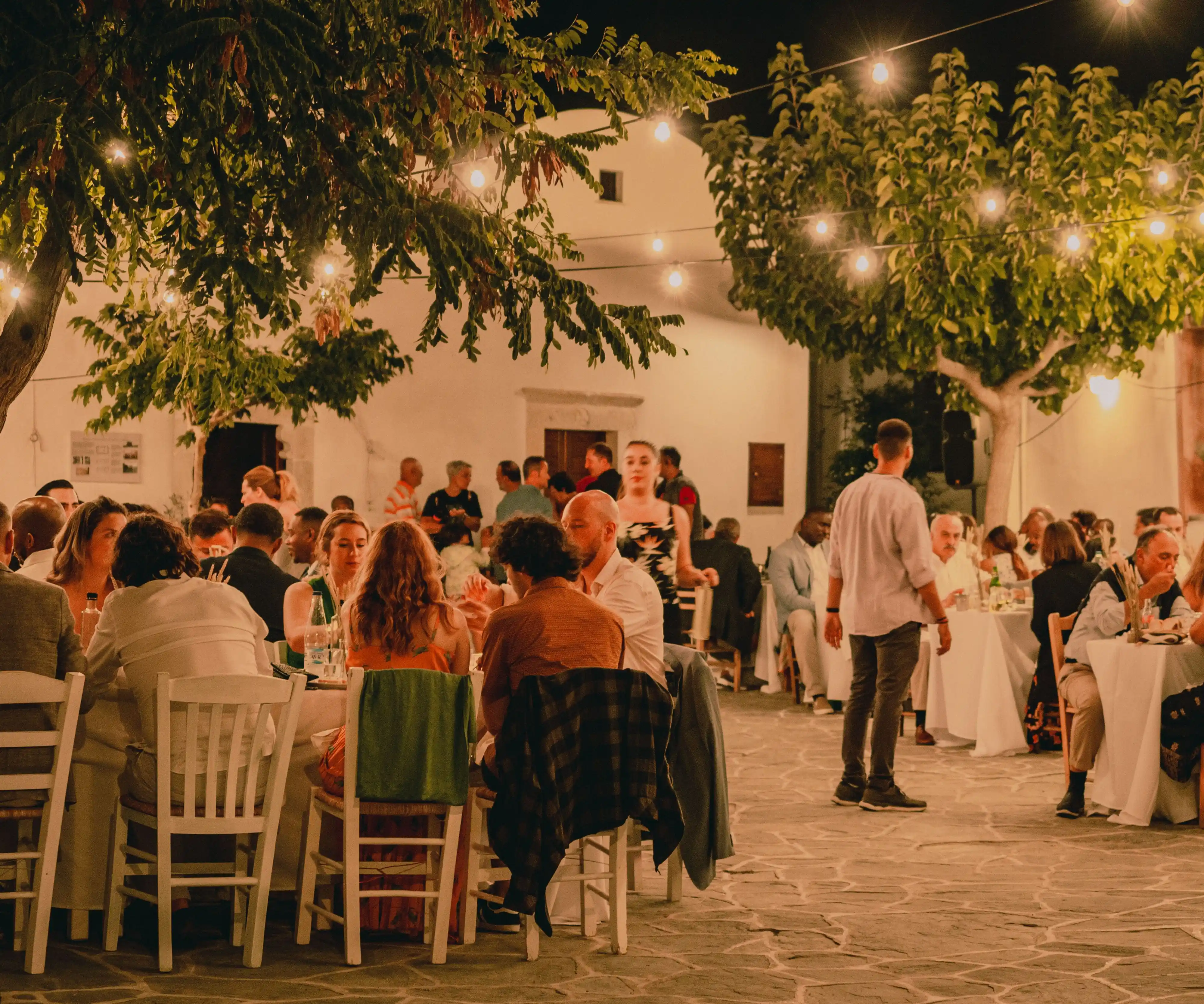
Single-queue lunch for 800 people takes 55 minutes and costs you the first afternoon session. Three simultaneous zones takes 40 and does not. Catering is now something we schedule, not something we cater.
Accessibility moved from request to default
Captioning, hearing loops, step-free routing and a quiet room are now specified on every corporate event we run, whether or not they are asked for. Uptake is consistently higher than clients expect.