 Elias Kade · Chief Engineer · Apr 2026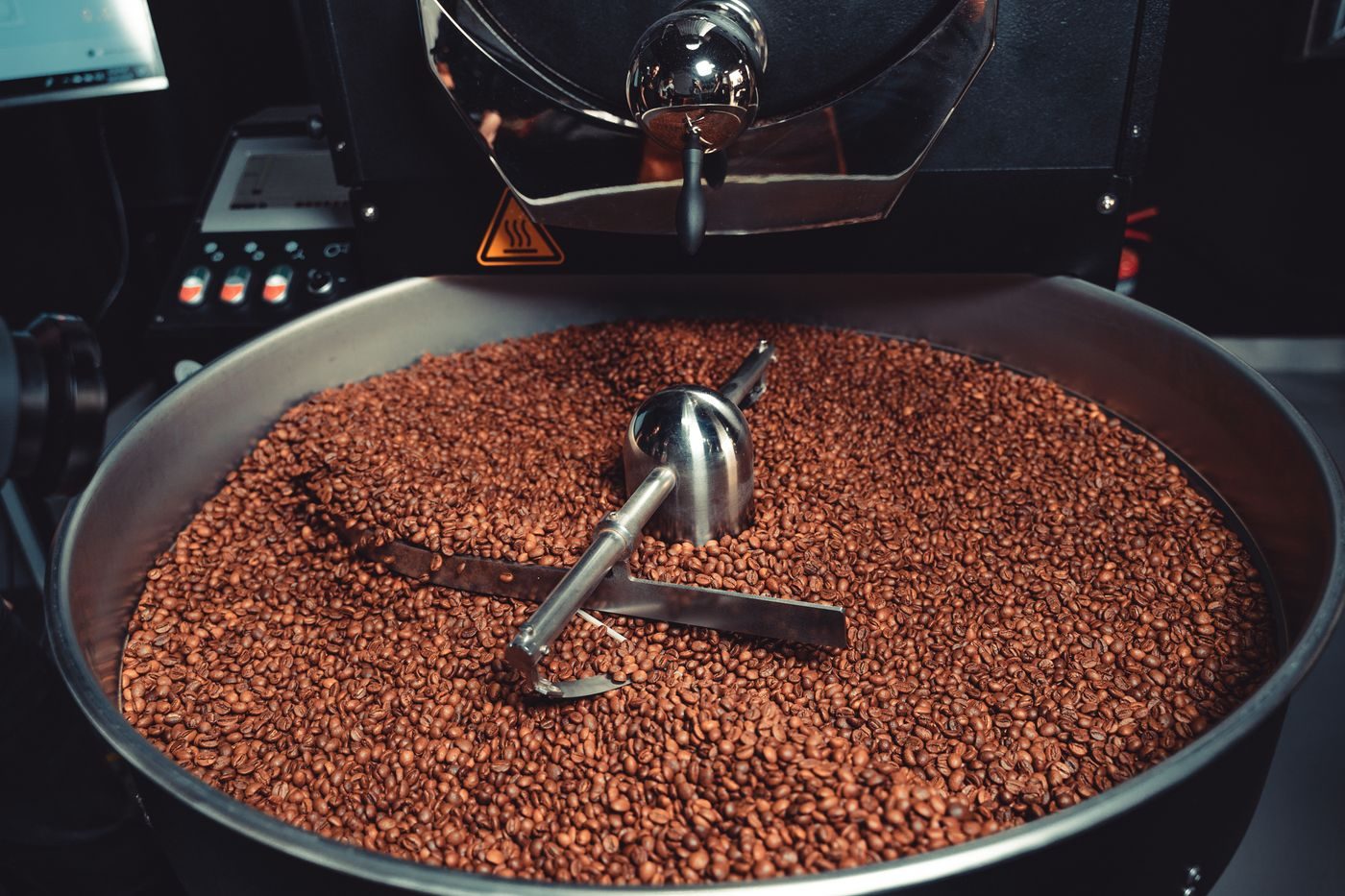
Ask ten roasters what makes a great roast and you will get ten answers. Ask them where the heat comes from, and the conversation gets quiet. Yet every decision you make at the machine — gas, airflow, drum speed, charge temperature — is really a decision about two things: conduction and convection. Understand how they trade off, and the roaster stops being a black box.
The two ways heat reaches a bean
Conduction is contact heat: the bean touching the hot drum wall, and beans touching each other. It is direct, intense and local. Convection is heat carried by moving air: the hot gas sweeping through the bean mass. It is gentler, more even, and far easier to control moment to moment.
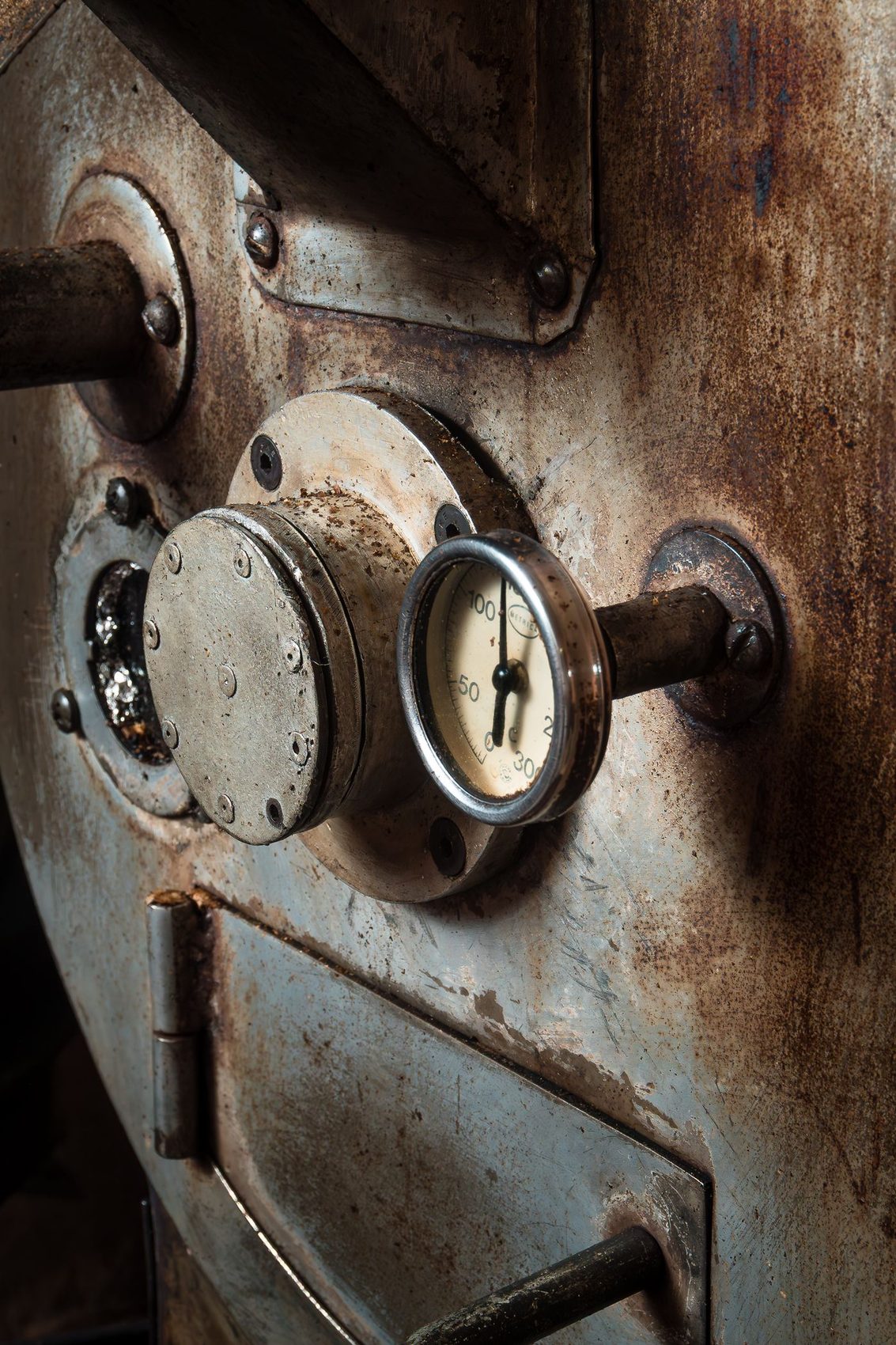
A traditional drum roaster leans heavily on conduction. It is simple and forgiving, but it punishes uneven drums and impatient roasters — the outside of the bean can scorch before the inside develops. A pure hot-air roaster leans on convection: even and clean, but hungry for energy and quick to strip aroma if you push it.
The art of roasting is not choosing one mode over the other. It is balancing them — deliberately, and the same way every time.
Why balance is an engineering problem
Most roasters balance conduction and convection by feel. That works until you scale, change sites, or hire a second roaster — and suddenly the profile that sang on Tuesday is flat on Friday. The variable that changed was rarely the coffee. It was the heat balance drifting with ambient temperature, gas pressure or airflow.
This is where we spend our engineering. A Kaldera drum is cast and hand-balanced so the conductive surface is uniform. The ceramic combustion chamber radiates a steady wall temperature instead of a flickering flame. And a six-zone vortex airflow path lets the control loop dial convection up or down independently of the burner.
What that means at the machine
- Early in the roast, more conduction drives energy into the bean and sets up an even rate of rise.
- Through first crack, convection takes over to develop aroma without scorching the surface.
- The closed loop holds that hand-off in the same place on every batch — to within half a degree.
A simple test for your own roaster
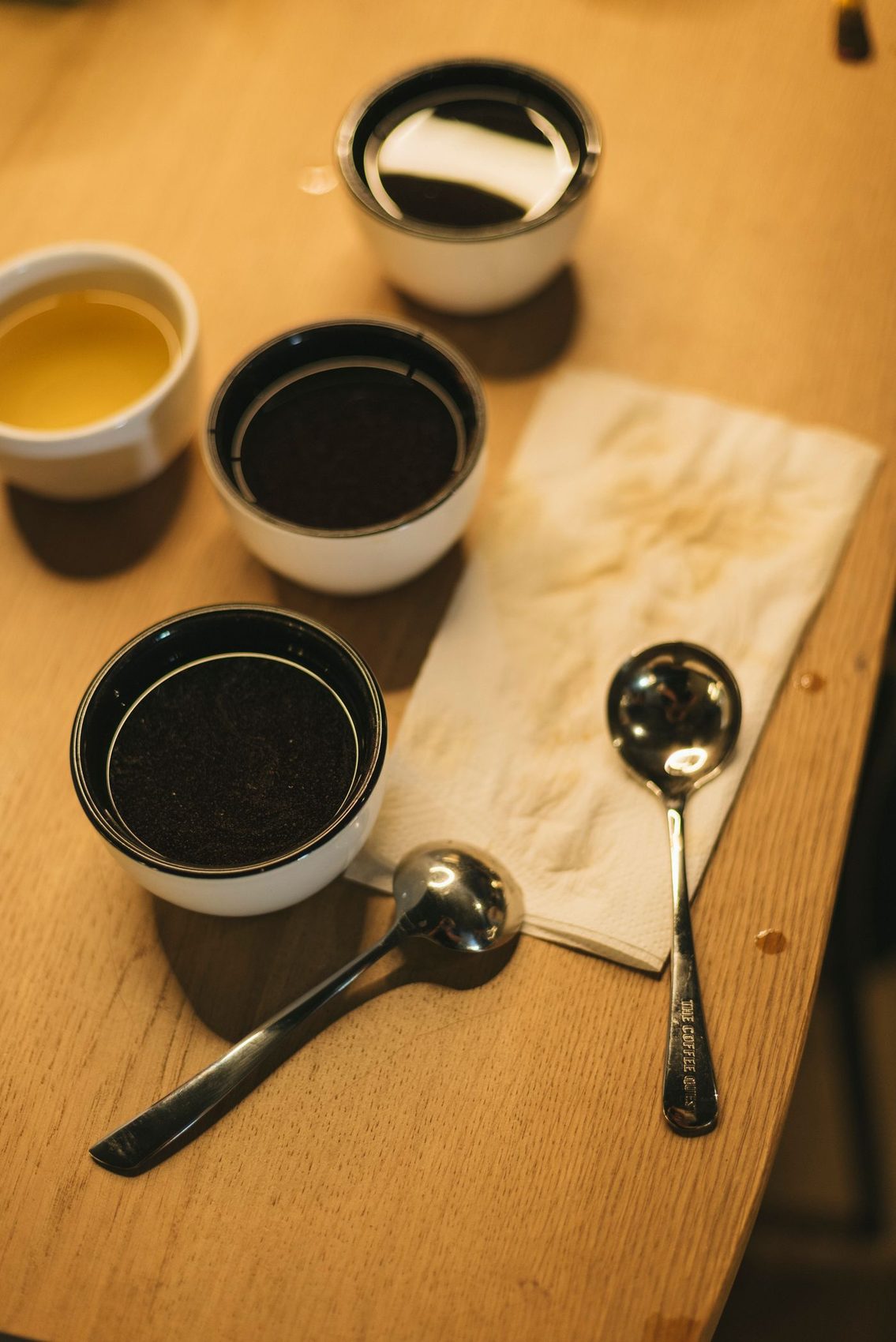
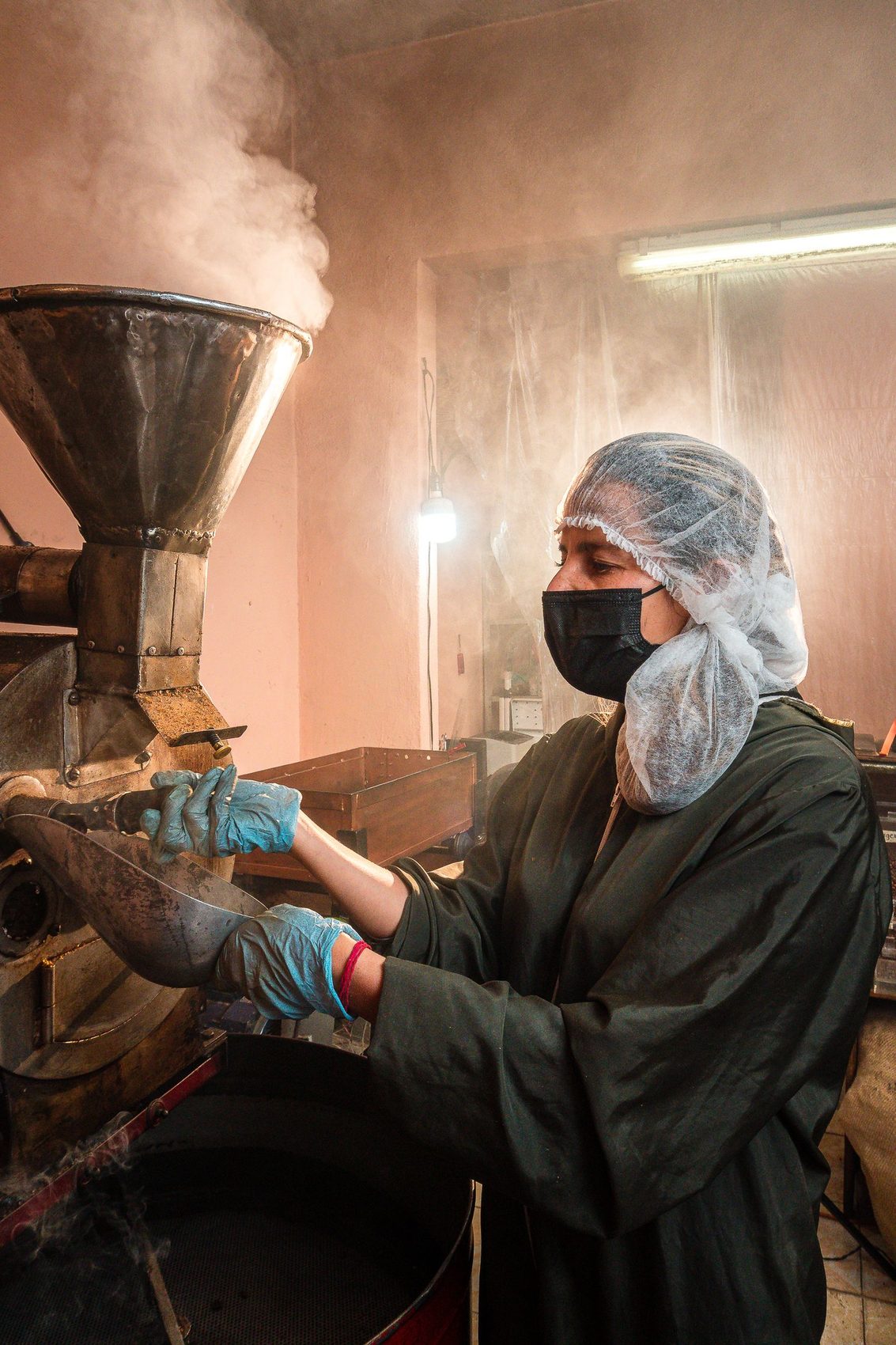
Run the same coffee twice: once with your normal airflow, and once with airflow reduced by a third through development. Cup them side by side. If the low-airflow cup is heavier and more roasty and the normal cup is brighter and cleaner, you have just watched convection do its work. Now you know which lever to reach for.
Roasting will always be a craft. But the more of it you can measure — and the more of the heat balance you can hold constant — the more of your attention goes where it belongs: on the coffee, not on chasing the machine.