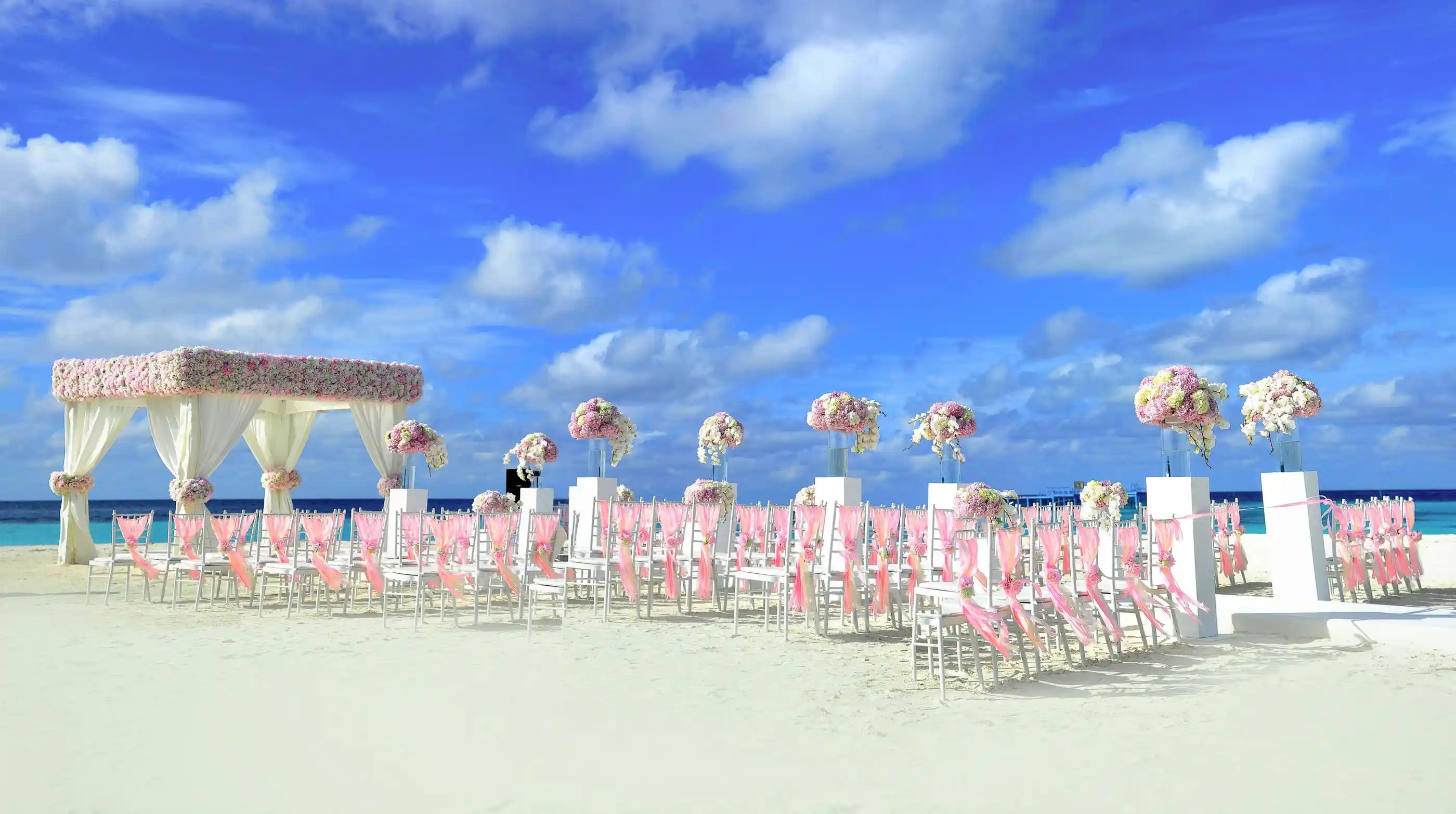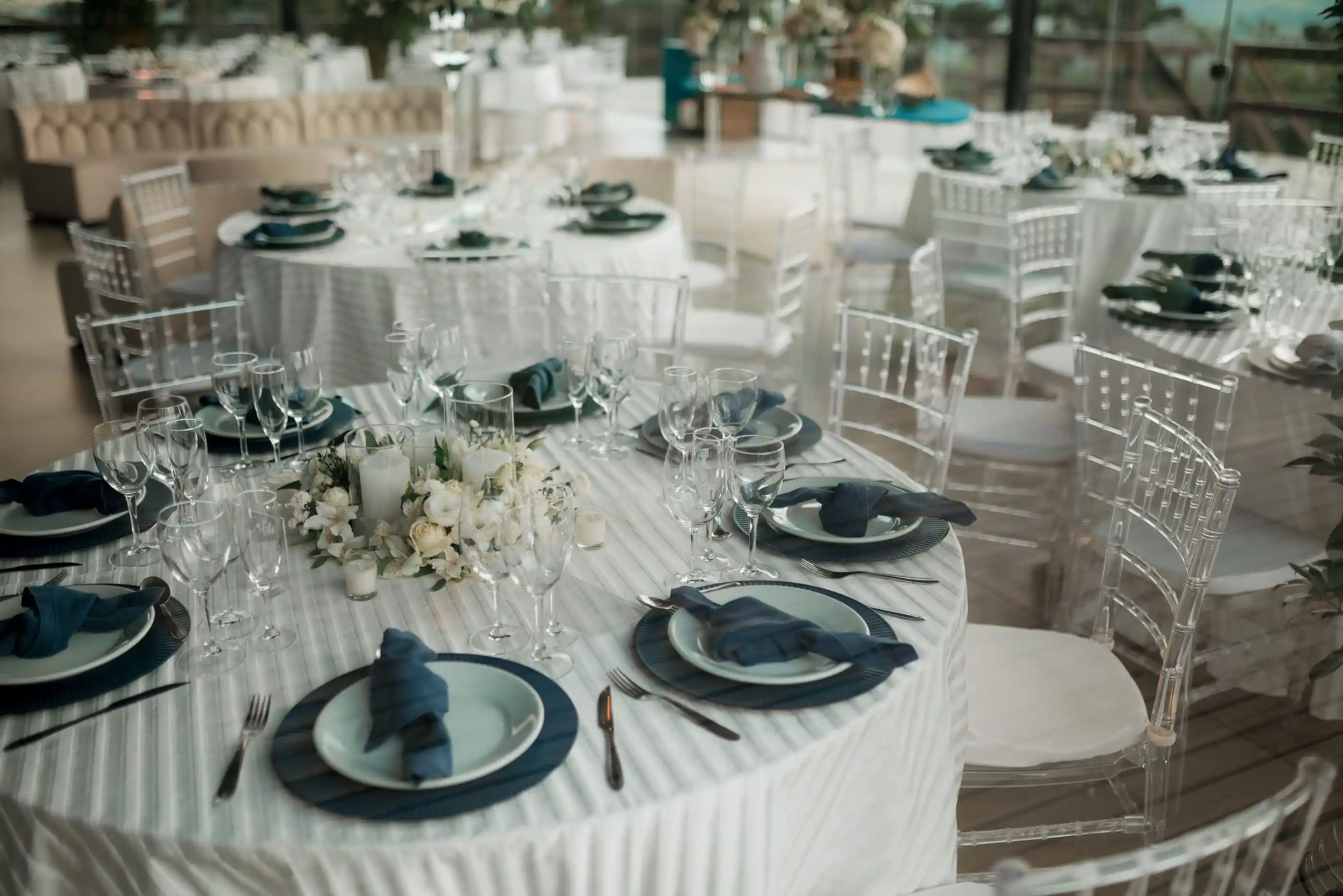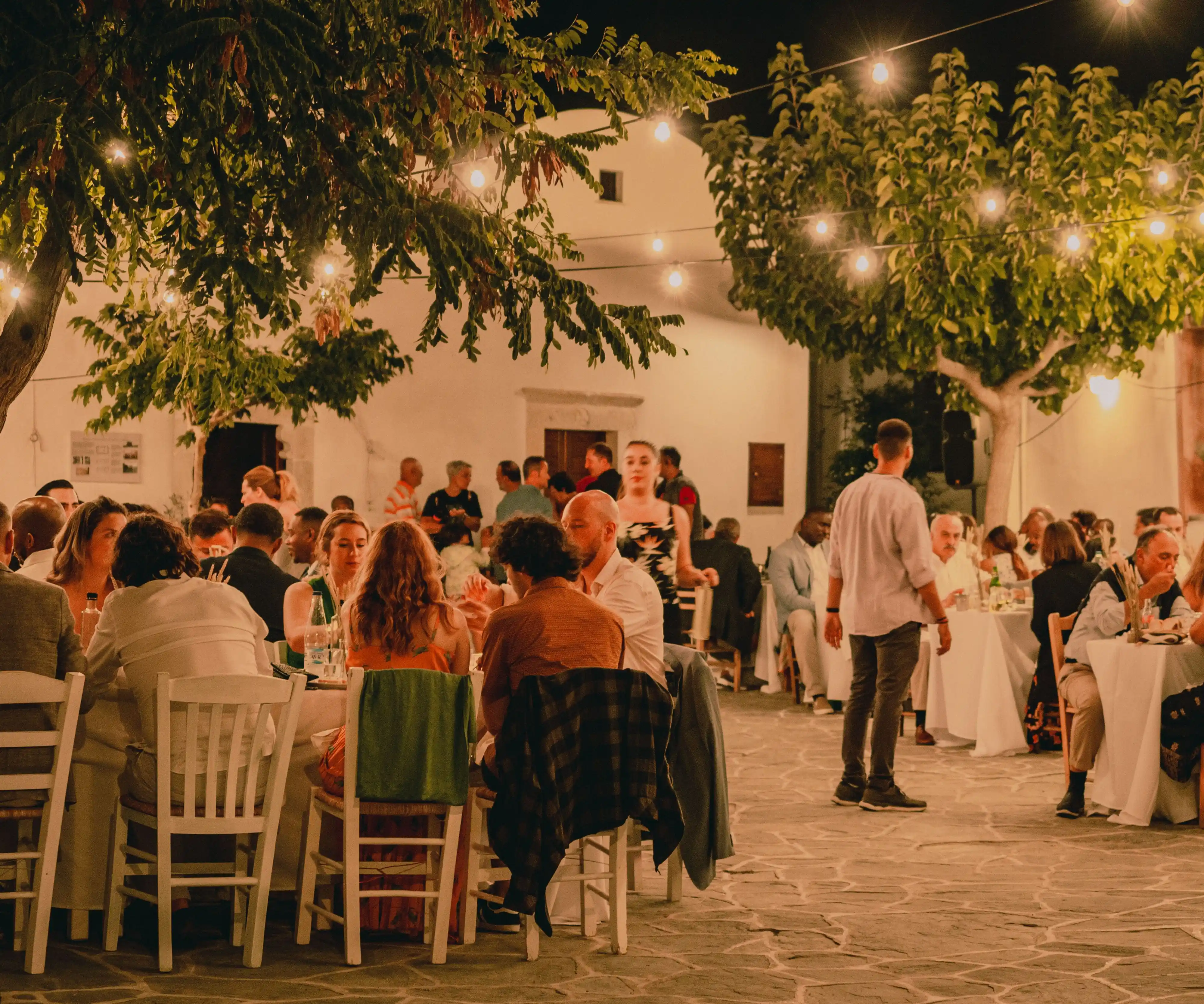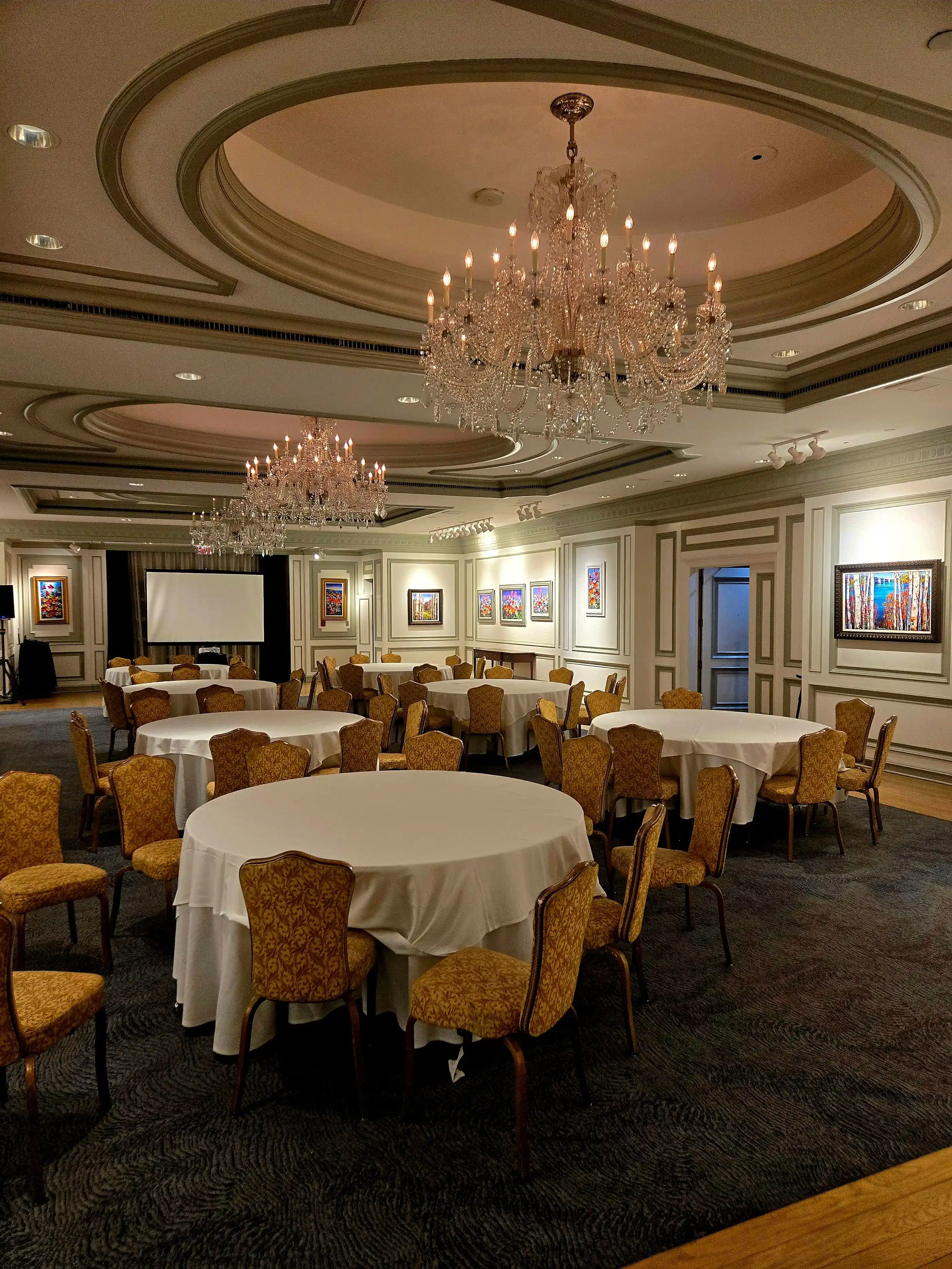
Venue brochures are photographs of empty rooms at their best hour. Here is the list we take on every site visit, and why each item on it has cost somebody an event.
Ceiling height and rigging capacity
Ask for the height to the underside of the lowest fixed obstruction, not to the ceiling. Then ask for the rigging capacity in kilograms and whether it is point-load or distributed. A room with a beautiful ten-metre ceiling and no rigging points is a room where your lighting sits on the floor.
Power
How many three-phase outlets, at what rating, and where in the room? A single 63A supply at the back of house is a very different event to four positions spread around the perimeter.
The loading route
Walk it. Measure the narrowest door and the lowest header. If the route involves a lift, get its internal dimensions and weight limit in writing. A 2.1-metre door decides what set you can build long before the design does.
Kitchen capacity
A kitchen rated for 400 covers will not do 600 without satellite finishing stations in the room. That is solvable — but it must be known at quoting stage, not on the day.
Curfew, noise and neighbours
Get the curfew in writing along with the decibel limit and where it is measured. "Music until late" is not a contractual term.
The wet-weather alternative
If the venue is outdoors, ask to see the alternative space and check it holds your full seated number. If it does not, you do not have a wet-weather plan — you have a hope.