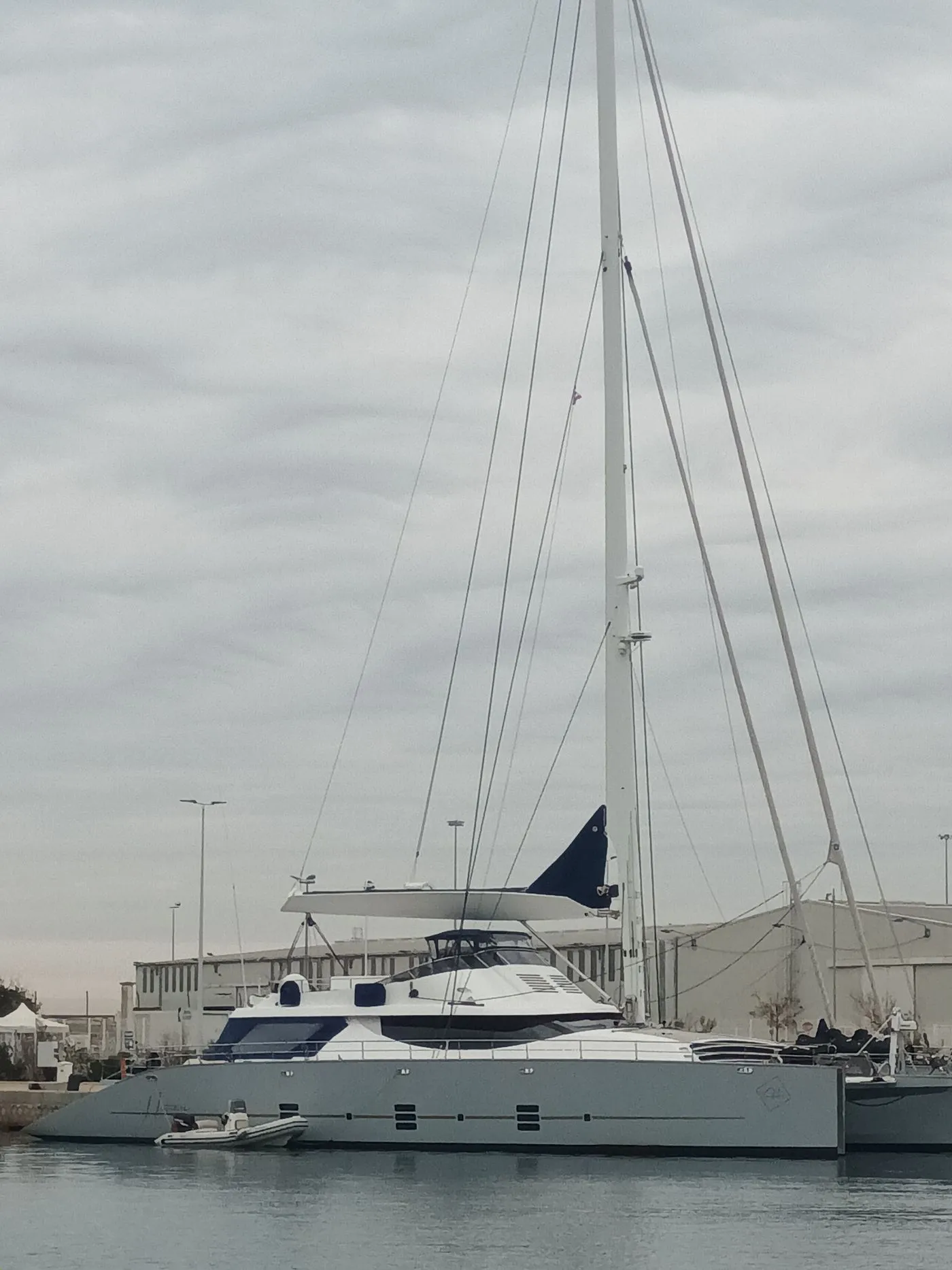
Most first charters try to see too much. The best ones are planned around what you will do when you stop.
The most common mistake in a first charter is arithmetic. A guest looks at a chart, sees that Athens to Santorini is a hundred and thirty miles, divides by a cruising speed, and decides it is comfortably possible in a week. It is. It is also a week spent watching a wake.
The second charter is nearly always slower than the first. By then people have learned that the good part of a yacht is not the moving; it is the stopping — the hour before lunch when the anchor is down and nobody has decided anything yet.
Three hours is the number
Our planners work to a soft rule: no more than three hours under way in a day, and preferably in the morning. It puts the yacht at anchor by noon, which is when the water is warmest and the light is worst for photographs and best for swimming.
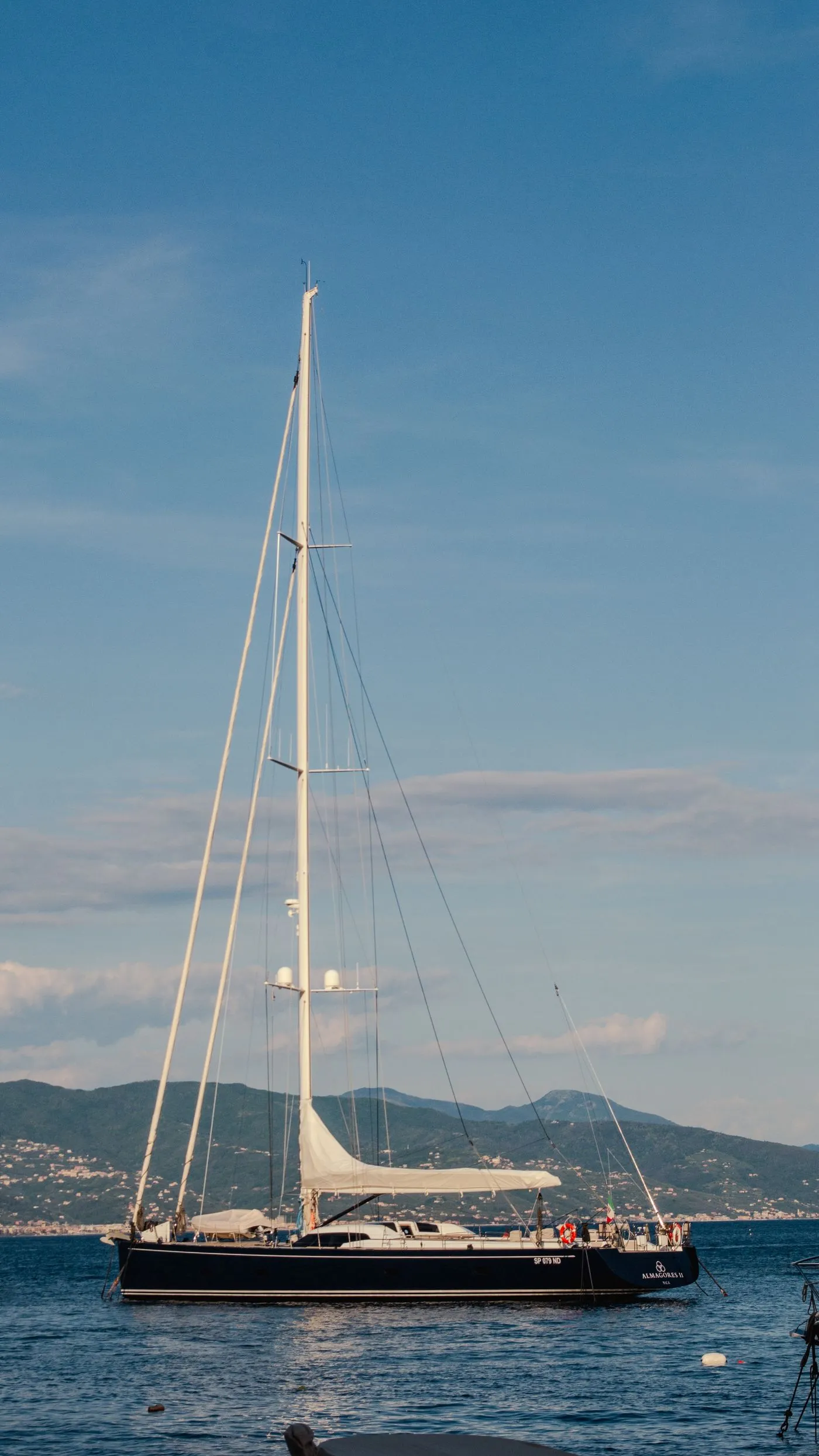
It also builds slack into the week. Weather moves, a bay turns out to be full, somebody wants to stay another night in a town they liked. A schedule with three hours of passage a day absorbs all of that. A schedule with seven does not.
“Some journeys are measured in miles. Others are measured in the number of times nobody wanted to leave.”
What to do with the time you get back
The answer, most of the time, is nothing in particular — which is the point. But there are a few things worth planning for.
- Arrive at the good anchorages early. Cala Coticcio at eight is a different place from Cala Coticcio at eleven.
- Give the crew a night off the clock. A galley that has not been cooking since six is a better galley at eight.
- Keep one day entirely unplanned. It will become the one people talk about.
None of this requires a bigger yacht or a longer charter. It only requires deciding, before you leave, that you are not trying to get anywhere.