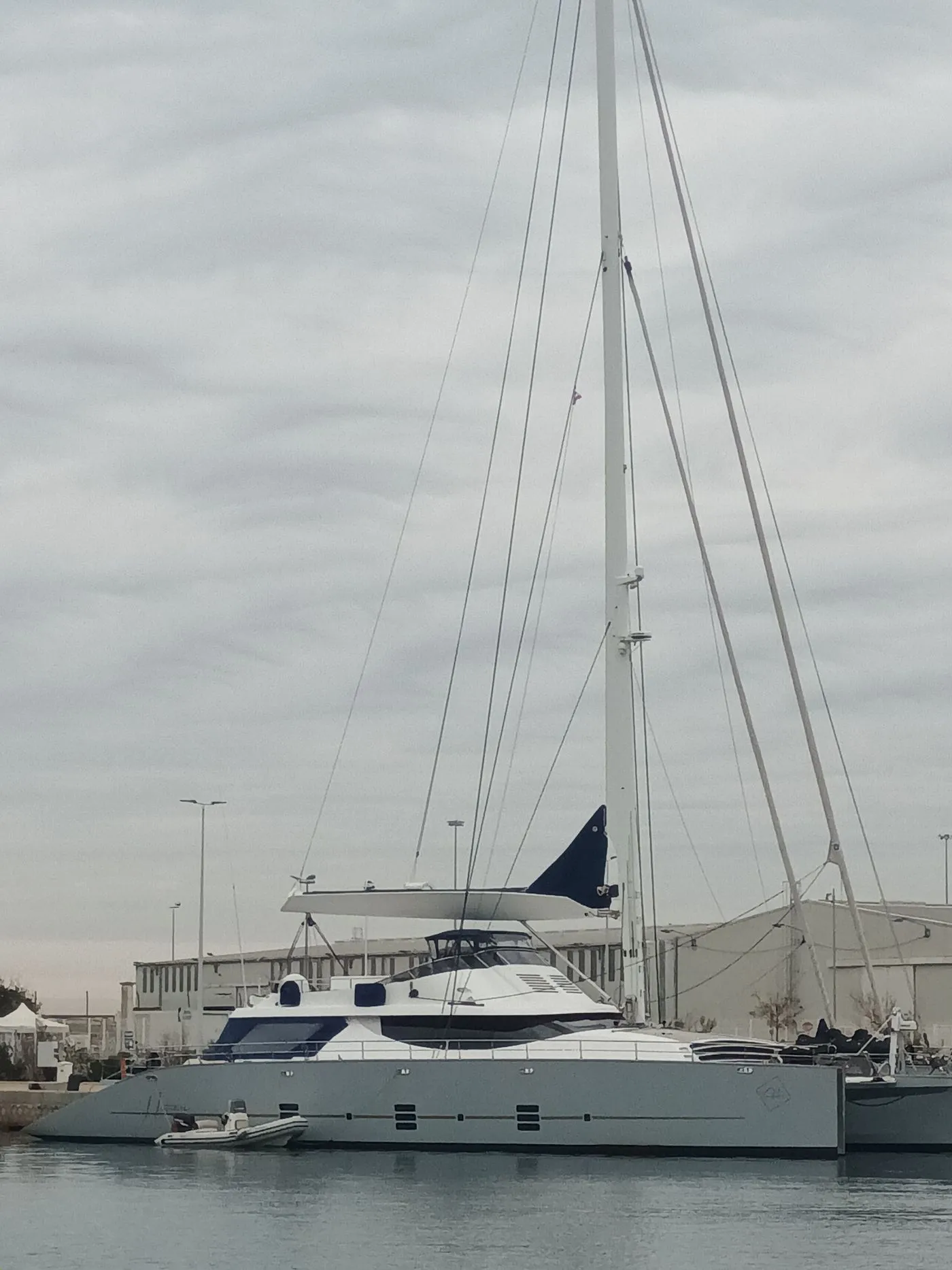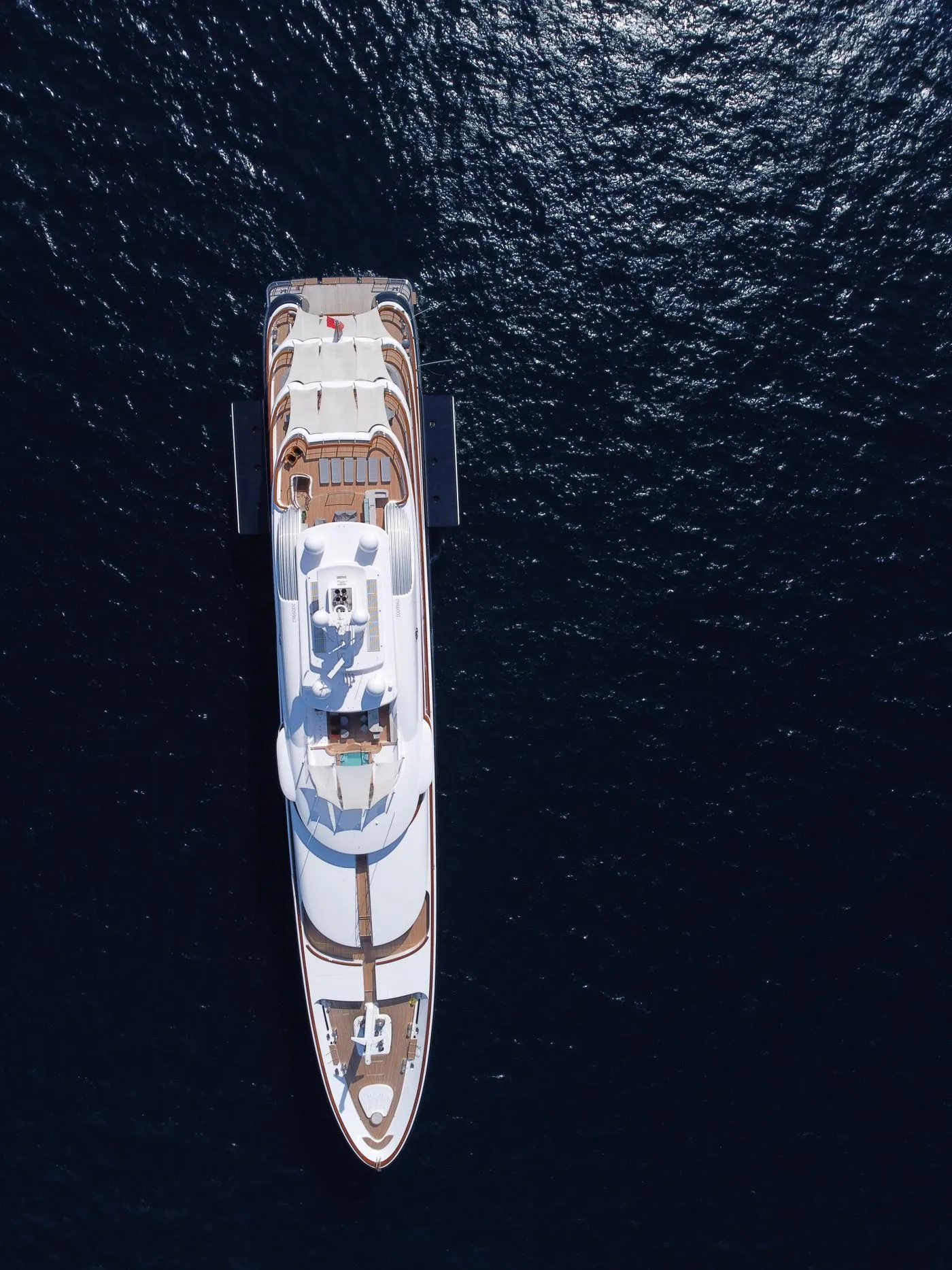
What eleven crew actually do all day, and why the quietest yacht in a harbour is usually the most expensive one.
A hundred-and-fifty-foot yacht carries eleven crew for ten guests. Guests assume this is service. Most of it is not — it is maintenance, and it happens between six and nine in the morning while everyone is asleep.
The engineering nobody sees
LUMEN is diesel-electric. The generators drive electric motors rather than a shaft, which costs a great deal of money and buys one thing: silence at anchor. On a conventional yacht the generators run all night to hold the air conditioning and the batteries. You hear them.
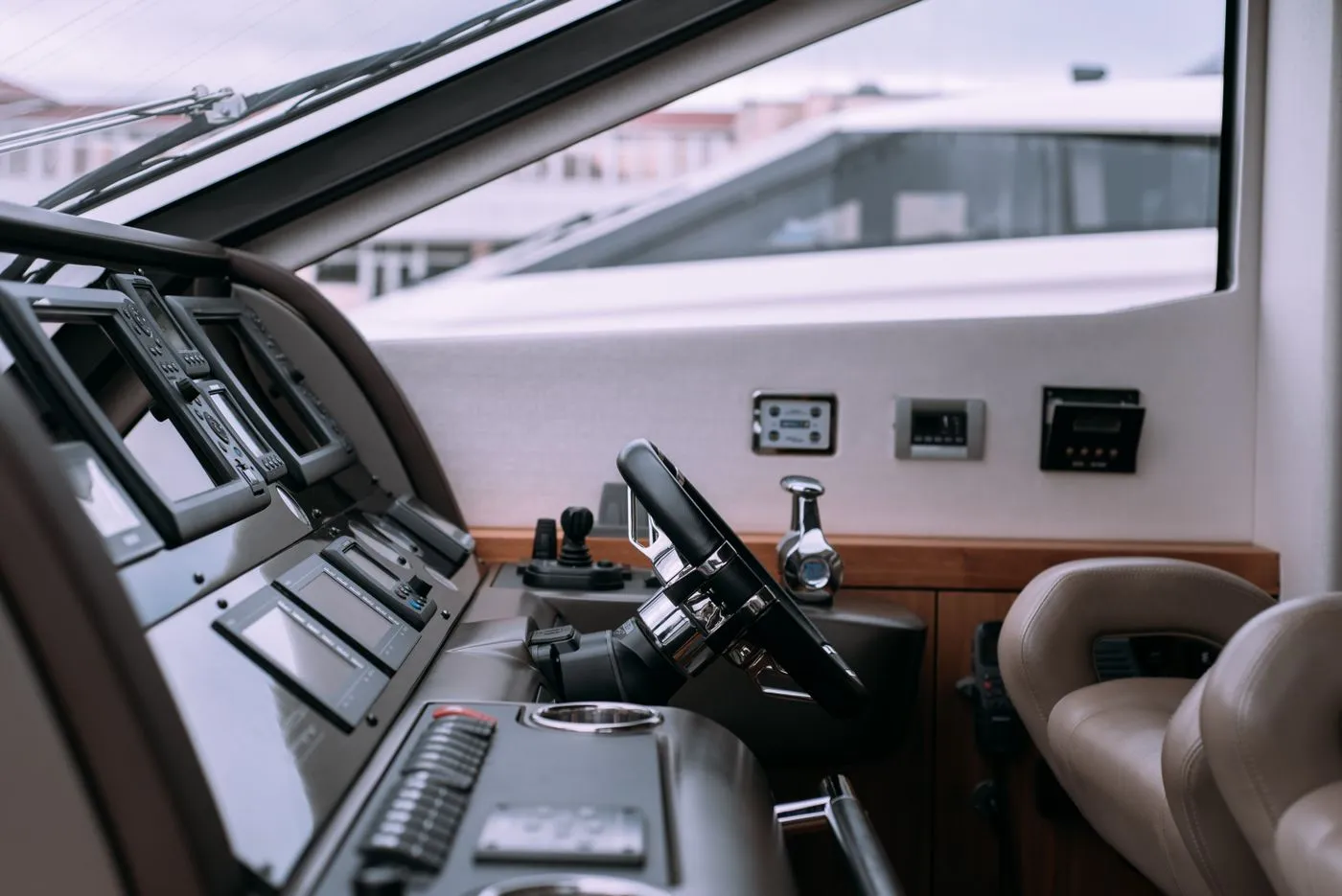
Stabilisers are the other invisible line item. At anchor they work hardest — they are countering roll in a swell rather than at speed, and a bad night at anchor is what people remember about a boat.
“Guests notice the interior. Owners notice the noise floor.”
Where the money actually goes
- Crew — the largest single running cost on any yacht over 100 feet, by some distance.
- Fuel — less than people expect, because a superyacht spends most of a charter at anchor.
- Berthing — more than people expect. A summer week in Porto Cervo is a serious number.
- Maintenance — continuous, and the reason the yard period is booked before the season ends.
On a charter, most of this reaches you as the Advance Provisioning Allowance: a running account for fuel, food, berthing and anything else the yacht spends on your behalf. It is settled at the end, and the unused balance comes back.