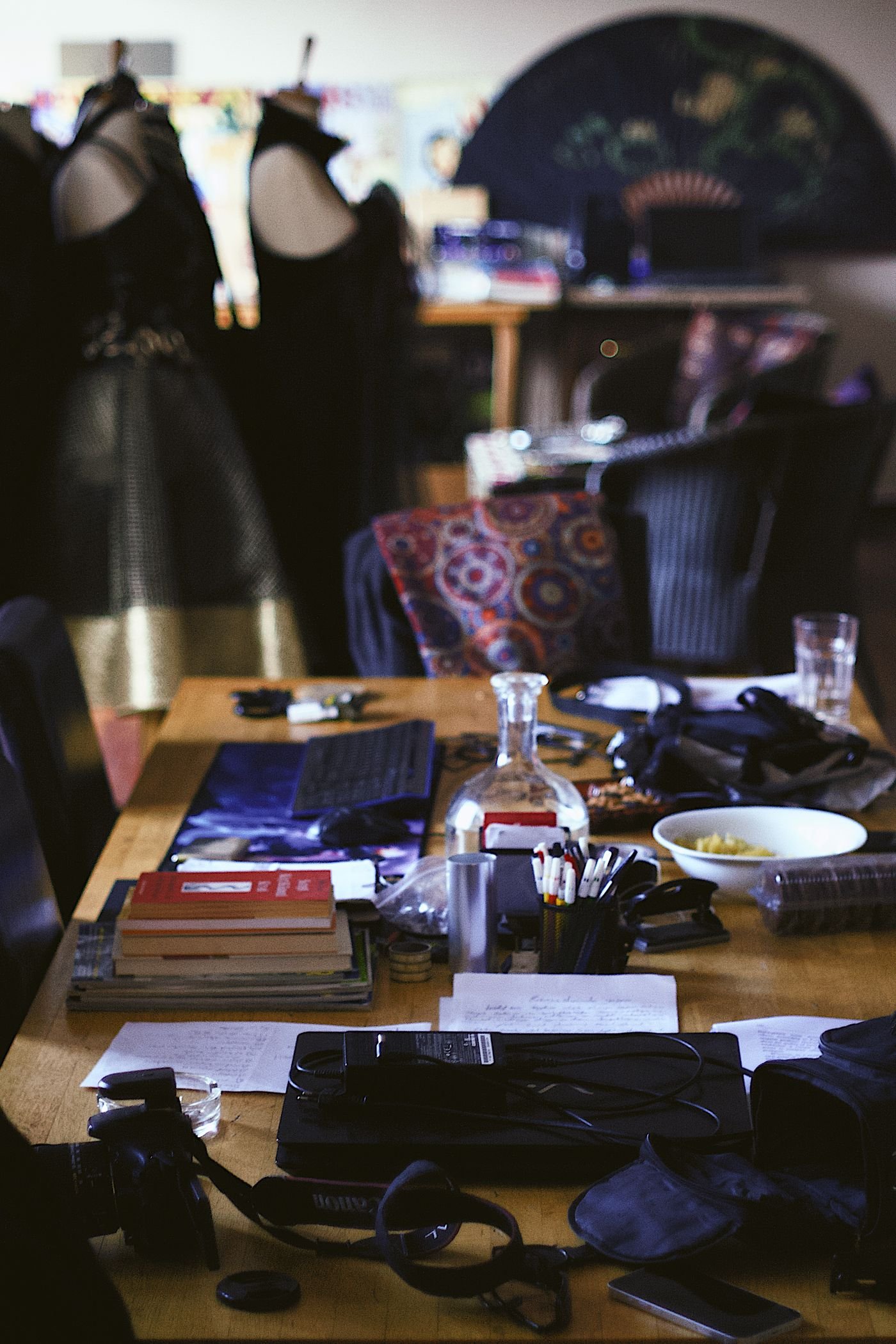
Unit 7, Bevan Yard, E2
A single long room with a print table down the middle, six workstations and a wall we are not allowed to paint. Brand, strategy and motion sit here.
Heliograph
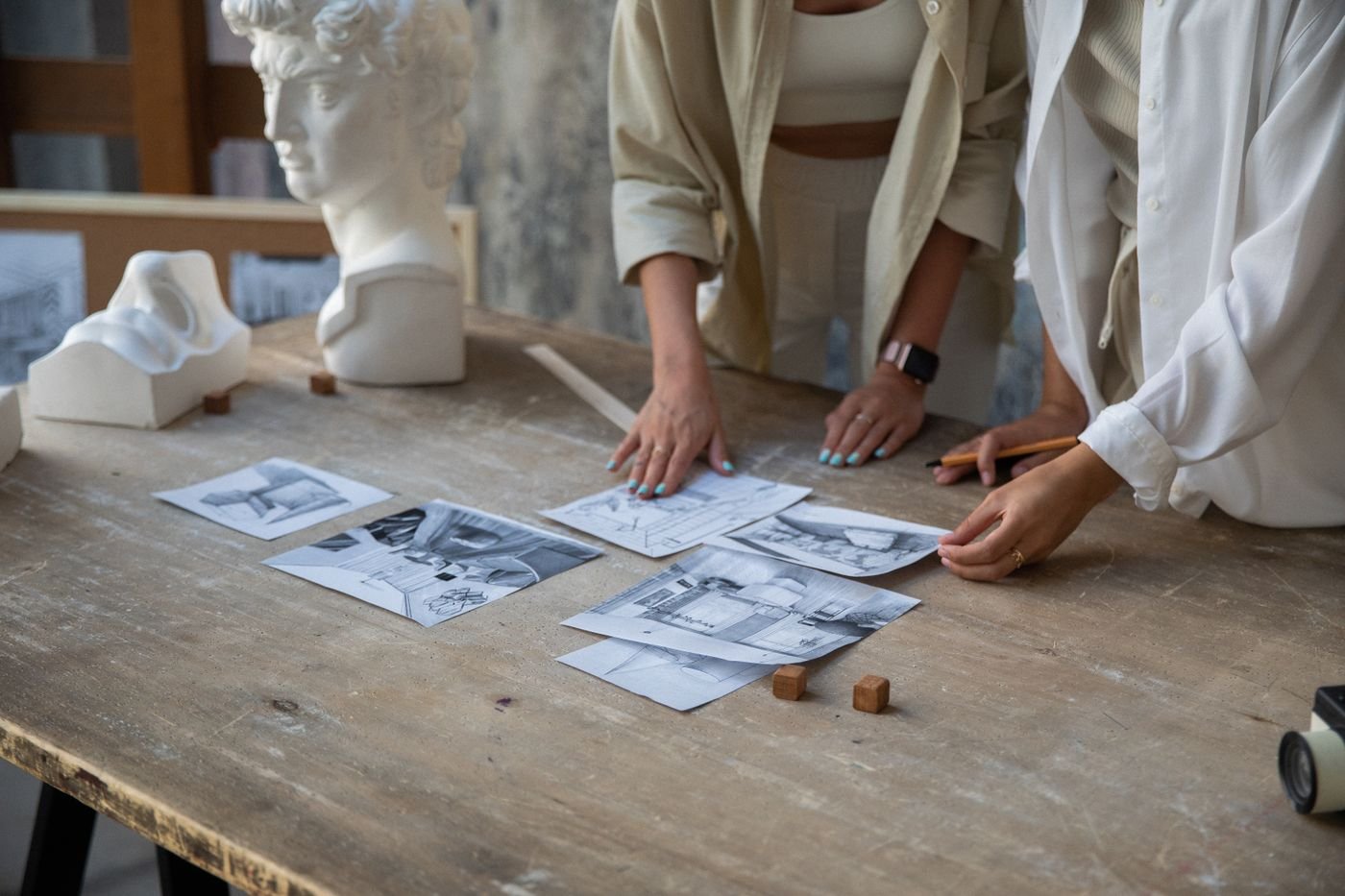
Heliograph opened in 2014 above a print shop in Hackney with three people and one client. The client is still with us. So, more surprisingly, are two of the three.
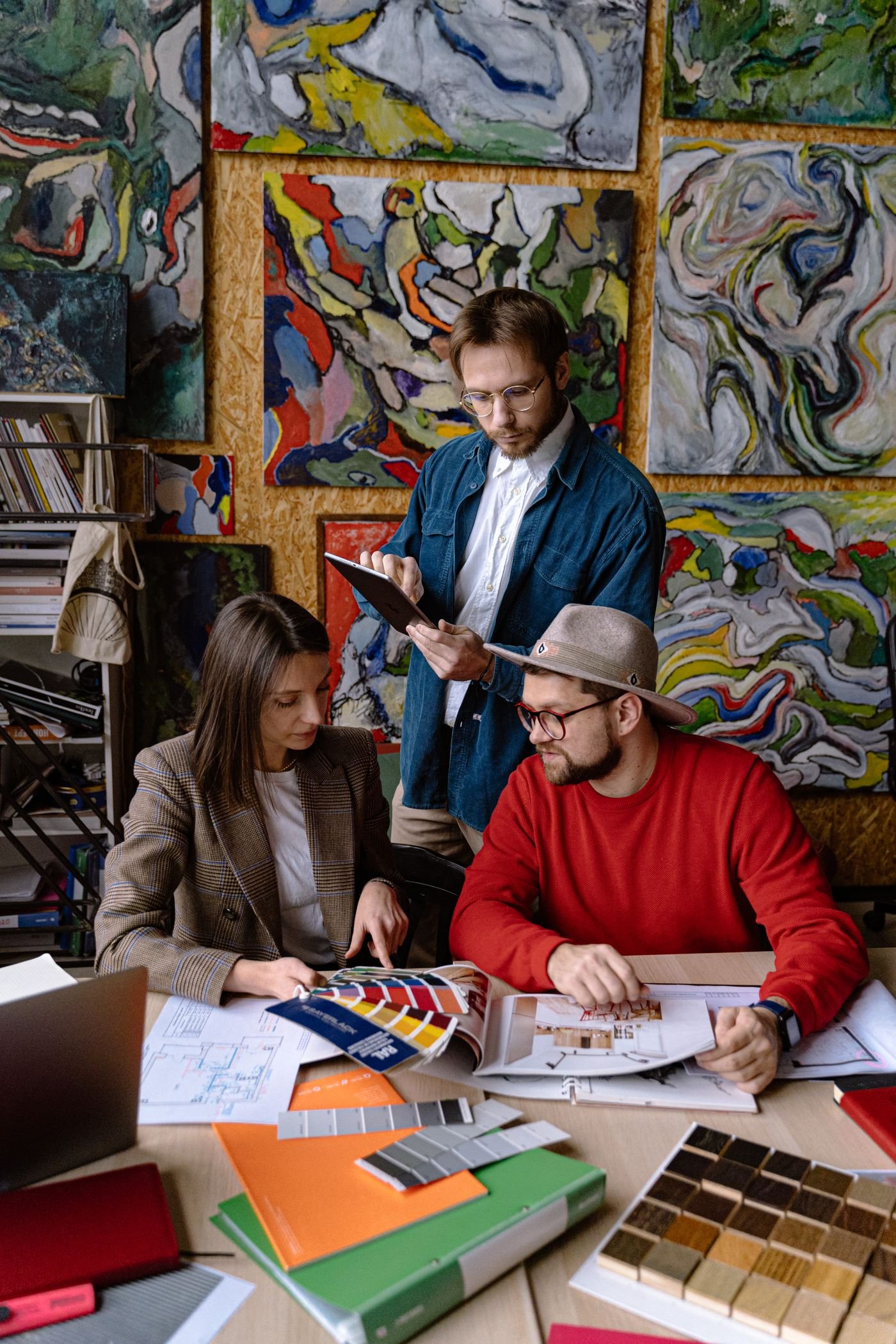
The short version
Twice we have been in a position to double the team on the back of a single large account. Both times we declined, because the studio only works when the people who sell the project are the people who make it.
That decision has a price. We turn down roughly one in three enquiries, we cannot run six programmes in parallel, and we occasionally lose to a firm with a bigger deck. What we get in return is that nobody here has ever handed a project to someone who was not in the room when it was scoped.
How we work
Timings below are for a typical Spectrum engagement. Smaller tracks compress the middle two; nothing compresses the first.
Stakeholder interviews, customer conversations, a competitive teardown and an audit of what you already have. It ends with a rewritten brief and, often, a different project.
Territories, not options. Two or three coherent directions taken far enough to judge honestly, each with typography, colour, motion and one real screen or surface built out.
Design and front-end run together in weekly cycles. Components land in a live library as they are approved, so the system exists before the launch rather than after it.
Source files, tokens, repositories, documentation and two working sessions with your team. Then a check-in at thirty and ninety days, included.
What you get weekly
Every Thursday there is a critique you are invited to, a deployed build you can click through, and a short written summary of what changed and what we are unsure about. The written note is the part clients say they miss most when they go elsewhere.
What each practice includes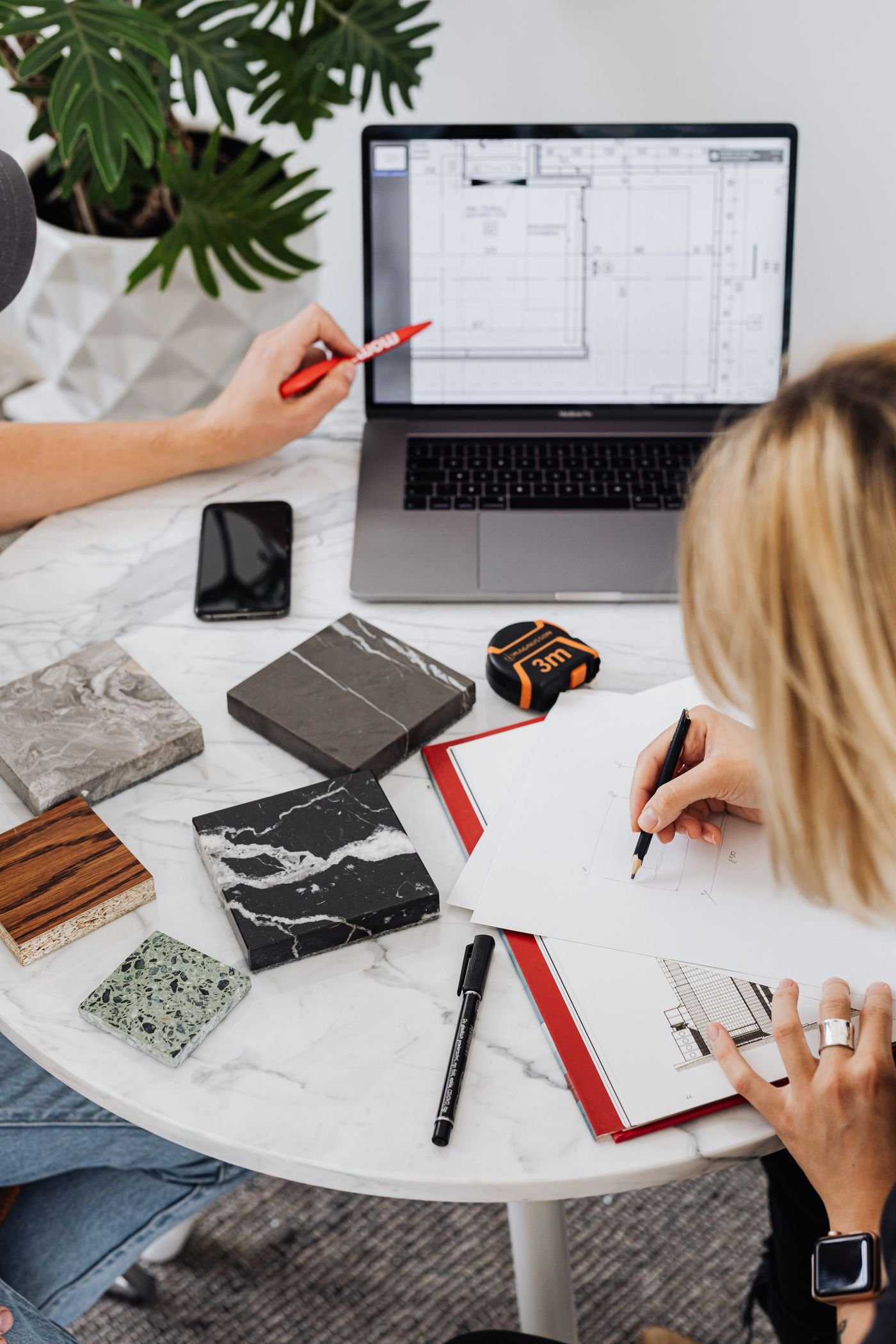
A short history
2014
Founded in Hackney with one client, a borrowed plan chest and a rule that nothing leaves the studio unless two people have argued about it. The rule survived; the plan chest did not.
2017
A retail client asked for a website and got a component library instead. It is still in production, which taught us more about longevity than any of the awards did.
2019
Two of the team moved and we kept them, which was cheaper and better than replacing them. The second studio has been a genuine second studio ever since, not a back office.
2021
Putting prices on the site cost us a handful of enquiries and saved everyone hundreds of hours. We have never gone back to ‘it depends’.
2023
After a civic project put us in a room with people using screen readers, contrast and keyboard paths stopped being a final-week checklist and became a first-week constraint.
2026
148 projects delivered. The plan for next year is the same as the plan for last year: fewer, longer, better.
The team
The others are on the About page of whichever project they are buried in. Everyone here is permanent, and everyone bills at the same rate.

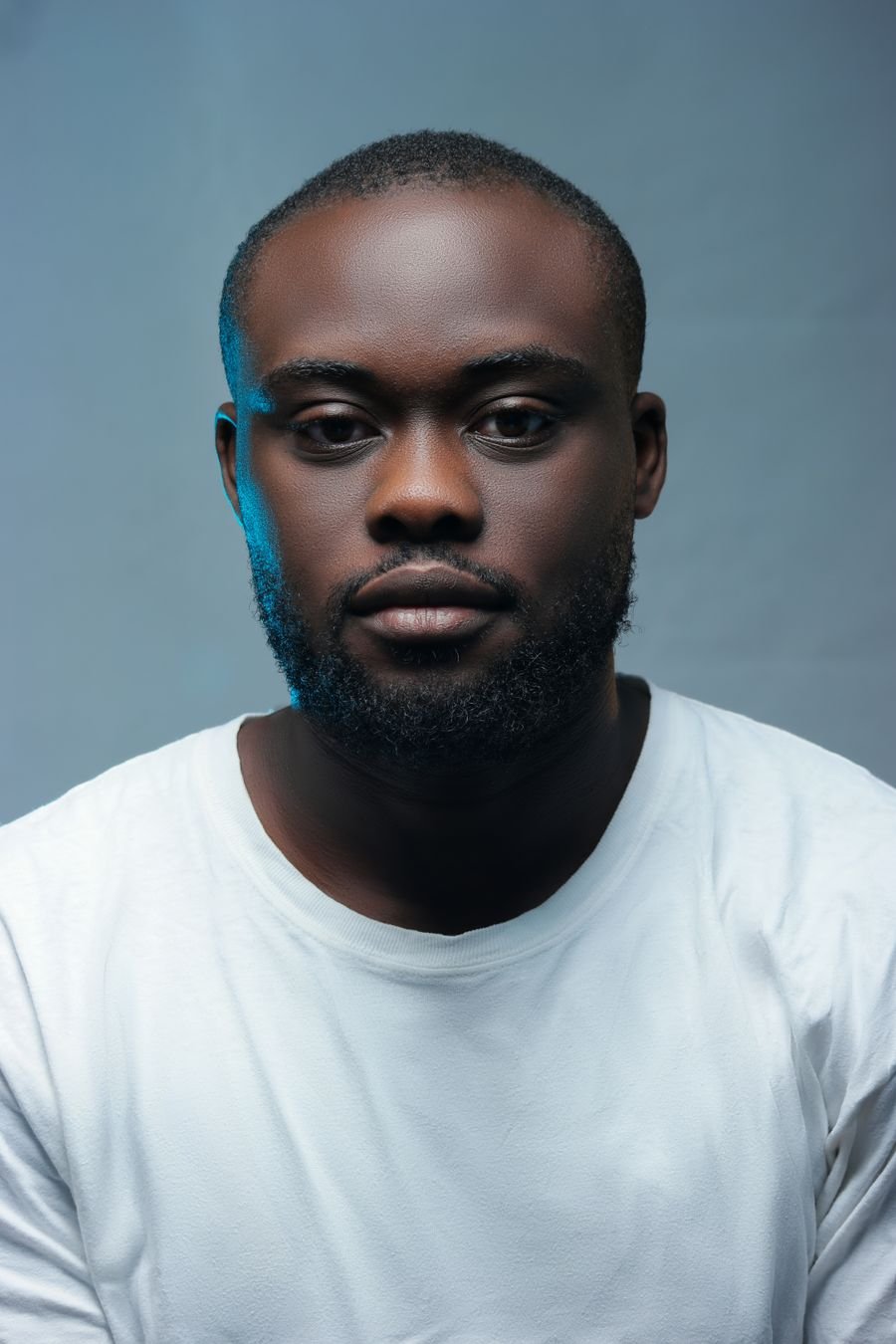
Founder & Creative Director
Started the studio at 29 after six years in editorial design. Runs Thursday critique and the argument that precedes every brief.
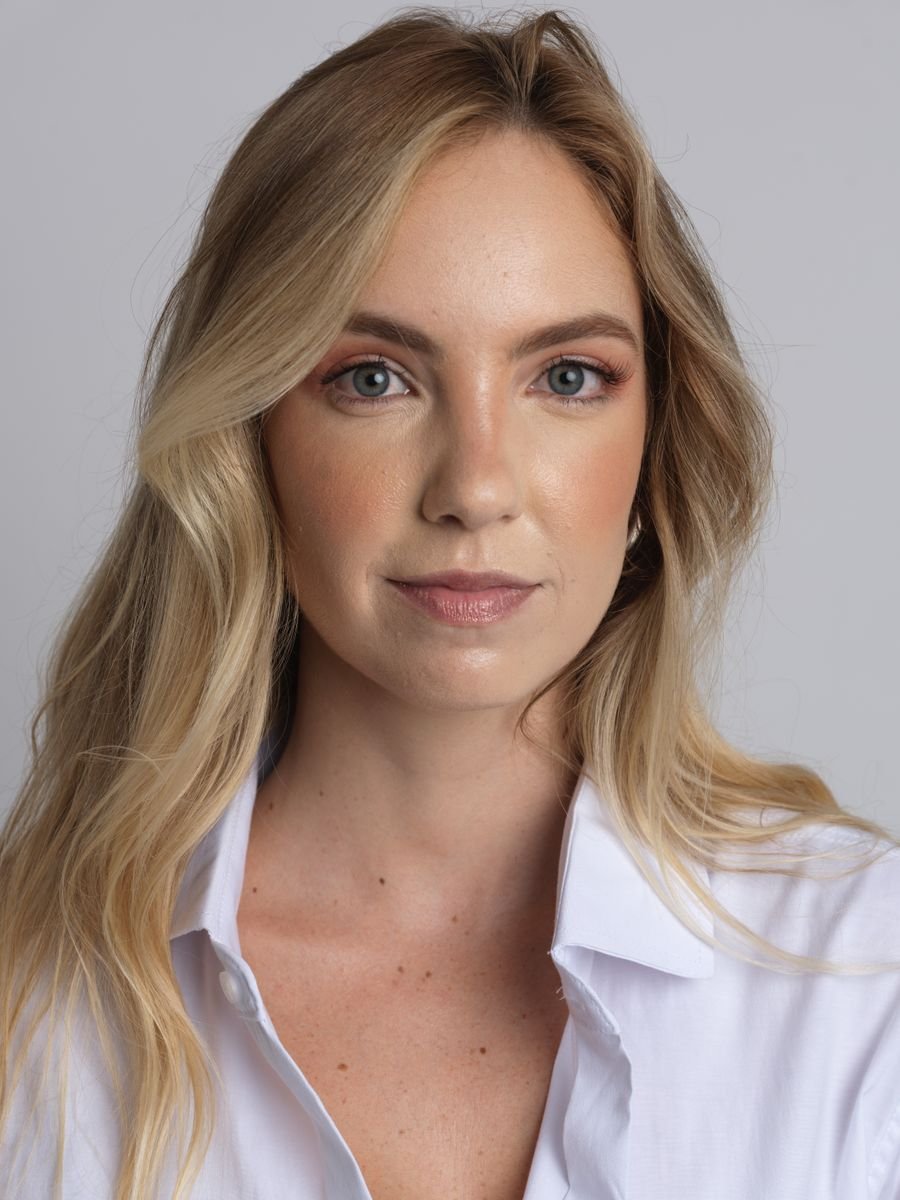
Partner, Design Technology
Writes the front-end, owns the performance budget, and is the reason nobody here proposes a hero video without a number attached.
Design Director, Brand
Identity systems and typography. Joined from a Stockholm studio in 2018 and has led every rebrand since.
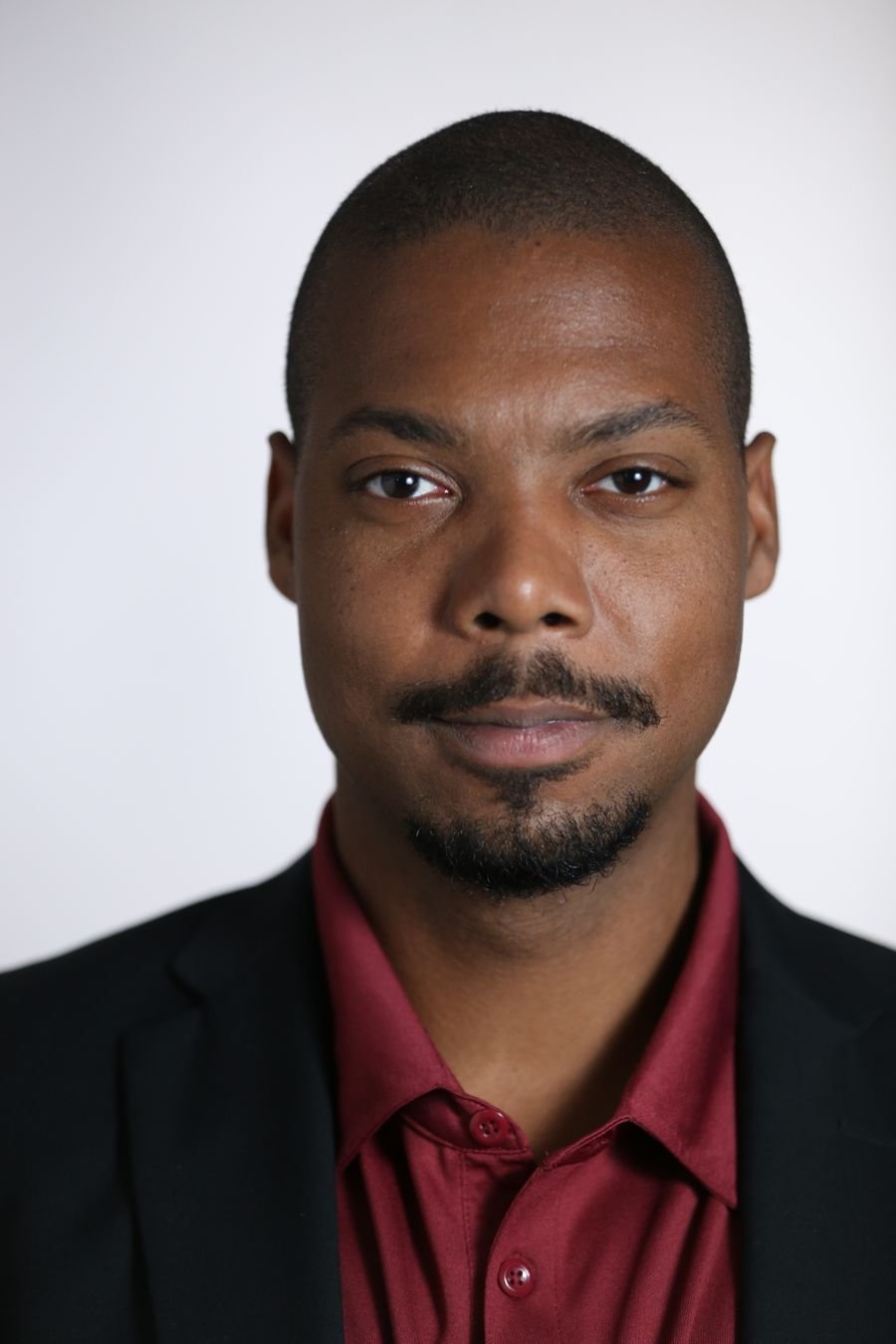
Strategy Director
Ex-policy researcher. Turns interviews into positions people can act on, and is very hard to sell a comfortable answer to.

Head of Product Design
Leads the product practice from Lisbon. Specialises in the unglamorous surfaces — settings, permissions, error states.
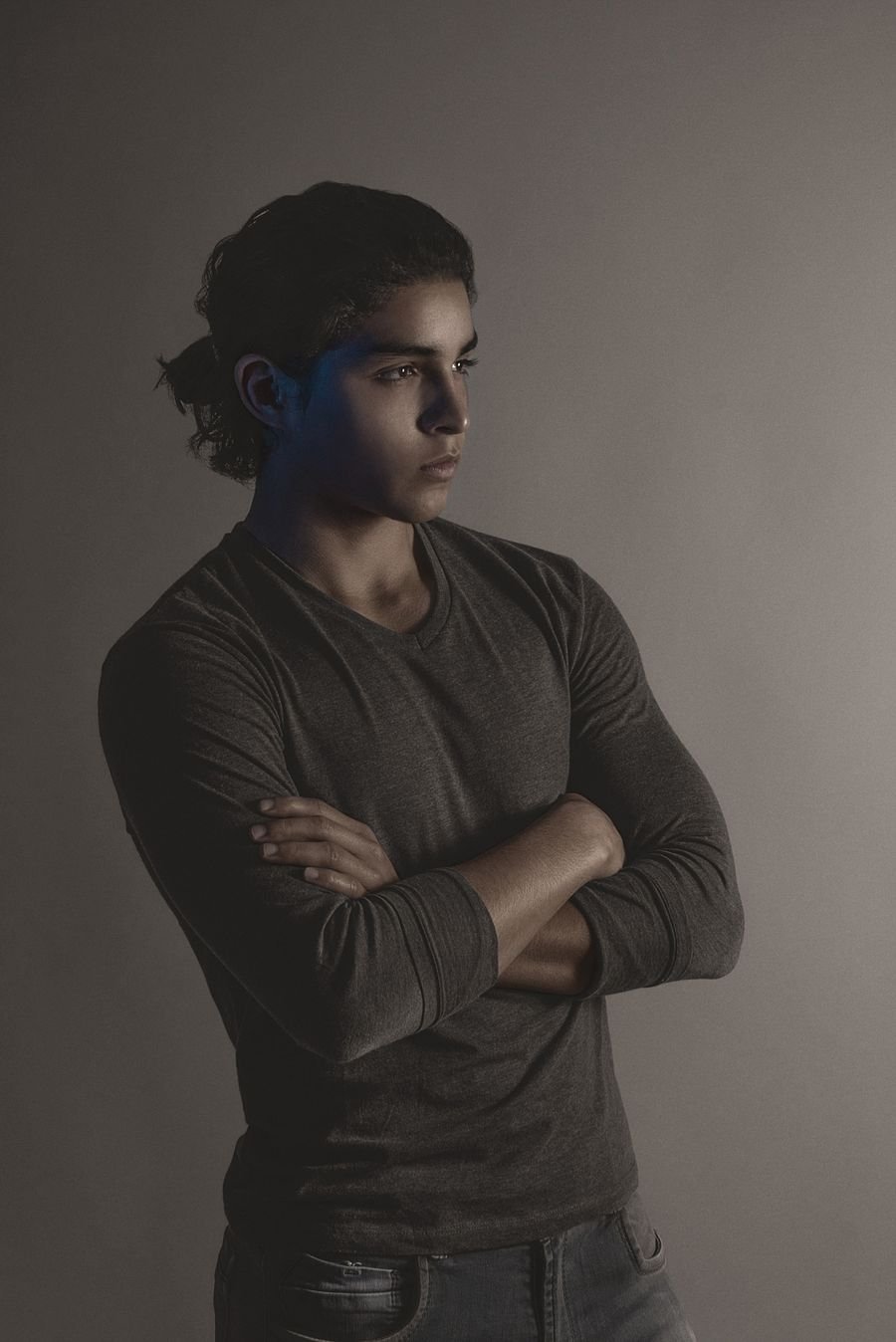
Motion Director
Came from film. Treats motion as grammar rather than decoration, and will delete an animation faster than anyone here.
We hire roughly once a year and always publish the salary. Open roles
What we hold to
Not values in the poster sense. These are the arguments we keep having, written down so you can decide early whether you agree with them.
01
Nobody here gets to say ‘I just prefer it’ in a critique. If a choice is right, there is a reason, and the reason survives being said out loud to a client.
02
The first three weeks look unproductive and are the highest-leverage part of the engagement. We will not compress them, and we will explain why in the proposal.
03
A launch is one day. The library, the tokens and the rules are what people use for the next four years, so that is where the effort goes.
04
Contrast, focus, motion preference and keyboard order are part of the design, not an audit line. A product that excludes people is a broken product with good screenshots.
05
Every megabyte is paid for by someone, often on a metered connection. We set a budget in week one and defend it in critique like any other design decision.
06
If the timeline is wrong, the budget is short, or the idea is weaker than the last one, you hear it that week. Bad news does not improve with age.
Two rooms
Half the team in each, one shared calendar, and a standing invitation to come and work from either for a week.
A single long room with a print table down the middle, six workstations and a wall we are not allowed to paint. Brand, strategy and motion sit here.
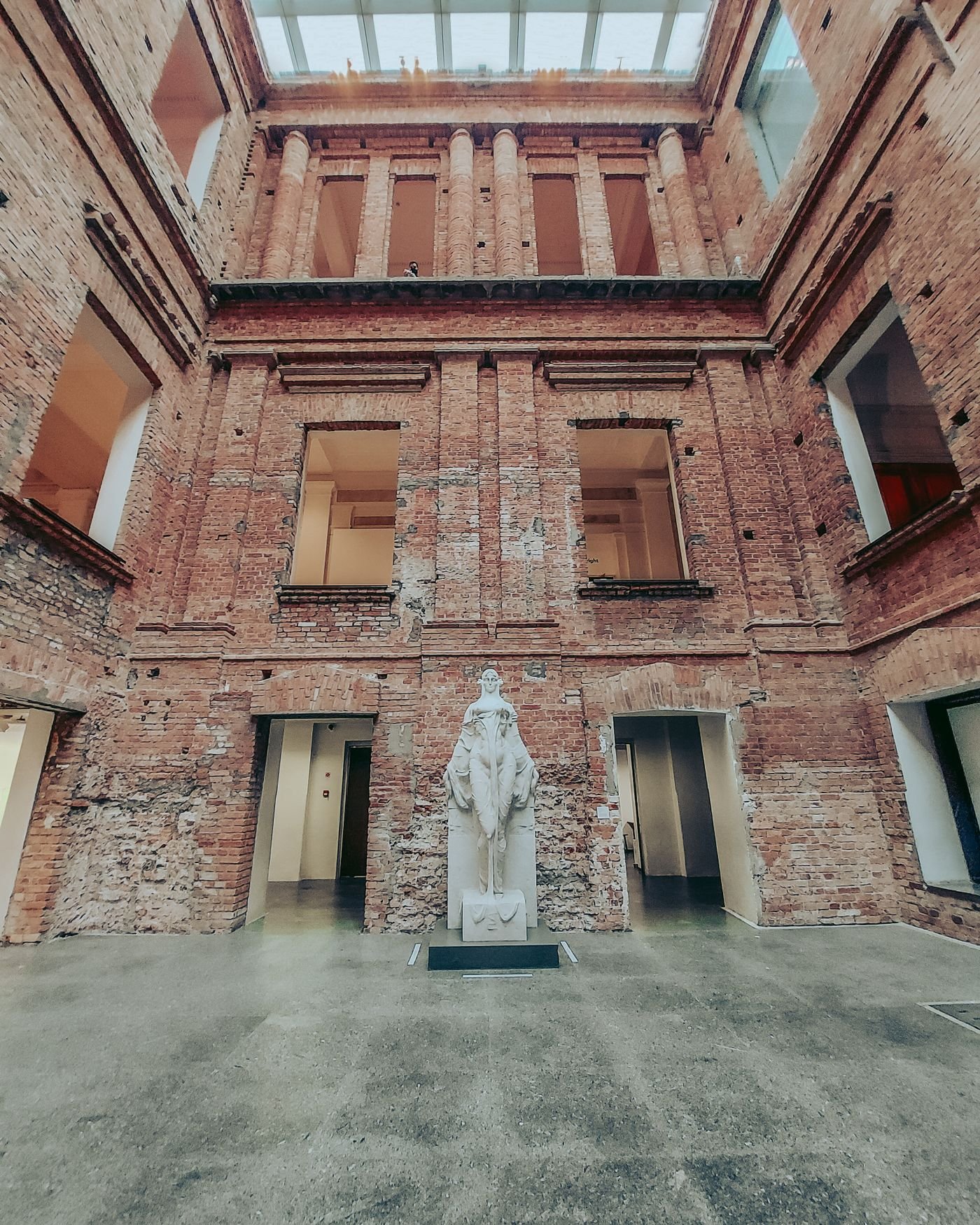
Second floor, tiled hallway, unreliable lift. Product design and front-end are based here, which is why most releases go out on Lisbon time.
Work with us
We are booking from six weeks out. Send a paragraph and we will tell you honestly whether we are the right studio for it.